Summary
Market movers are stocks experiencing notable price changes due to earnings reports, economic data, industry developments, or investor sentiment. Understanding why these shifts occur helps investors interpret broader market trends and make more informed decisions. This guide explains the key forces behind stock activity, how professionals track market movers, and what everyday investors can learn from sudden price movements.
Understanding Market Movers in Today’s Stock Market
In financial media, the term “market movers” refers to stocks experiencing meaningful price changes within a trading session or over a short period. These movements often attract attention because they signal shifts in investor sentiment, industry conditions, or macroeconomic expectations.
Market movers can include well-known companies listed on major indexes such as the S&P 500, the Nasdaq Composite, or the Dow Jones Industrial Average. However, they also frequently include smaller firms whose shares react strongly to specific announcements.
Price swings may appear sudden, but they usually stem from identifiable catalysts. Investors track these catalysts to better understand market direction, sector trends, and emerging risks.
In practice, market movers often highlight where information is rapidly being absorbed into stock prices. For analysts and portfolio managers, these movements serve as signals worth examining rather than automatic trading opportunities.
Why Do Stocks Move So Quickly?
Stock prices move when new information changes how investors evaluate a company’s future earnings or risk profile. Because markets process information continuously, even small developments can trigger meaningful price shifts.
Several forces typically drive the most noticeable stock activity.
Key Drivers of Market Movers
- Earnings announcements and financial guidance
- Economic data releases
- Industry or regulatory developments
- Mergers, acquisitions, or corporate restructuring
- Analyst upgrades or downgrades
- Changes in interest rates or monetary policy
- Unexpected news events
For example, if a company reports stronger-than-expected quarterly results, investors may adjust their forecasts for future profits. That reassessment often leads to higher demand for the stock, pushing prices upward.
Conversely, disappointing results or lowered forecasts can cause rapid declines as investors revise expectations.
Earnings Reports: The Most Common Catalyst
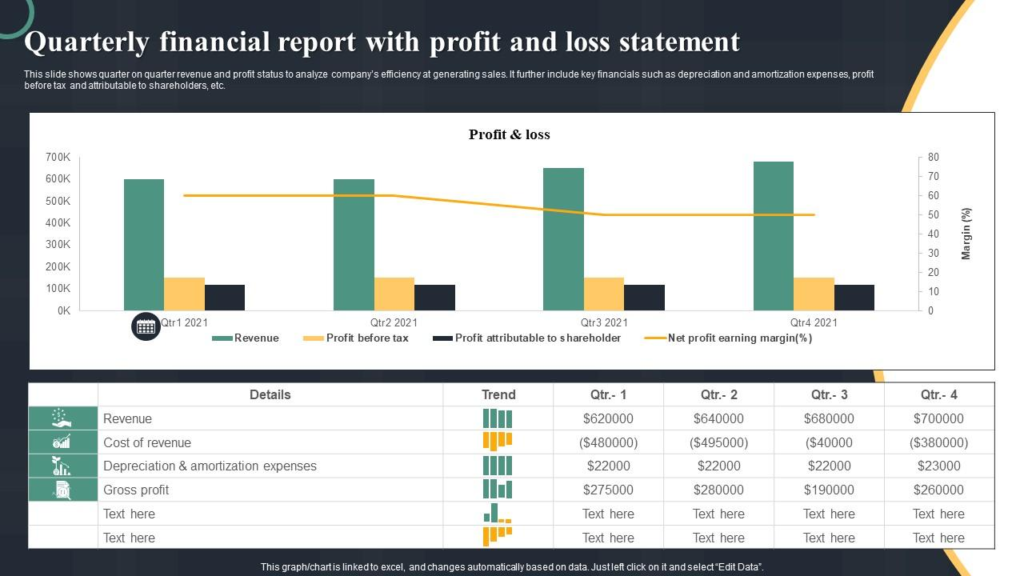
Corporate earnings remain one of the most powerful drivers of market-moving activity. During earnings season—when many companies report quarterly results—large swings become common.
Companies such as Apple Inc., Amazon, and Tesla frequently appear on lists of market movers because their results influence both their own share prices and broader indexes.
When companies release earnings reports, investors focus on several metrics:
- Revenue growth
- Profit margins
- Earnings per share (EPS)
- Forward guidance
- Management commentary
A company might report solid earnings but still see its stock fall if guidance for the next quarter appears cautious. Markets are forward-looking, meaning expectations about future performance often matter more than past results.
According to historical data from organizations like Securities and Exchange Commission filings and earnings databases, large-cap stocks can move 5–10% in a single day following earnings announcements.
Economic Data and the Broader Market Reaction
Stock movements are not always tied to individual companies. Macroeconomic developments frequently influence multiple stocks simultaneously.
Investors closely monitor reports from the U.S. Bureau of Labor Statistics and the Federal Reserve to understand the direction of the economy.
Important economic indicators include:
- Employment reports
- Inflation data such as the Consumer Price Index (CPI)
- GDP growth figures
- Interest rate decisions
- Consumer spending trends
For example, stronger-than-expected inflation data may lead investors to anticipate higher interest rates. Rising rates can reduce valuations for growth-oriented companies, particularly in the technology sector.
As a result, multiple tech stocks may appear on daily market-mover lists following the release of economic reports.
Sector Trends That Drive Stock Activity
Market movers often cluster within specific industries. When investors shift expectations about an entire sector, multiple companies may move in the same direction.
Examples of Sector-Based Market Movers
- Semiconductor companies during increased demand for AI computing
- Energy companies reacting to oil price changes
- Banks responding to interest rate adjustments
- Retail companies influenced by consumer spending trends
For instance, a surge in demand for artificial intelligence infrastructure has brought attention to semiconductor companies like NVIDIA and Advanced Micro Devices.
When one company in a sector releases strong results, investors sometimes assume competitors will benefit from the same industry trends. This can cause multiple stocks to move together.
Analyst Ratings and Institutional Influence
Wall Street analysts play an influential role in shaping market expectations. When major financial institutions adjust their ratings or price targets, stocks can move quickly.
Analysts typically categorize stocks using ratings such as:
- Buy
- Hold
- Underperform
Large investment firms—including Goldman Sachs and Morgan Stanley—publish research reports that institutional investors monitor closely.
A widely followed analyst upgrade can attract additional buyers, especially if it reflects new information about a company’s growth prospects.
However, experienced investors generally view analyst opinions as one data point among many, rather than definitive guidance.
Market Sentiment and Behavioral Factors
Beyond financial metrics, stock movements often reflect shifts in investor psychology. Market sentiment—the overall mood of investors—can amplify price swings.
For example:
- Positive economic signals may encourage risk-taking
- Geopolitical uncertainty can trigger defensive selling
- High-profile news events can increase volatility
Sentiment shifts sometimes produce short-term movements that are not fully supported by fundamental data. This is why many professional investors distinguish between temporary momentum and long-term value changes.
Behavioral finance research suggests that investor reactions to news can sometimes be exaggerated in the short term before stabilizing.
How Professional Investors Track Market Movers
Institutional investors use sophisticated tools to monitor unusual stock activity throughout the trading day.
These tools track:
- Trading volume spikes
- Rapid price changes
- Options activity
- Sector-wide movements
- News headlines and filings
Financial data platforms allow analysts to filter stocks by percentage change, volume, and industry category. This helps them quickly identify which companies deserve closer examination.
Many portfolio managers begin their day reviewing pre-market movers, then continue monitoring changes throughout the session.
While individual investors may not have access to institutional platforms, similar information is widely available through financial news sites and brokerage dashboards.
What Individual Investors Should Learn from Market Movers
Market movers can provide valuable insight even for long-term investors who do not trade frequently.
Instead of reacting immediately to price swings, many investors use market movers as starting points for deeper research.
Consider the following approach:
- Identify the catalyst behind the movement
- Review company fundamentals
- Examine whether the news affects long-term prospects
- Compare the reaction with broader industry trends
For example, if a company’s stock drops sharply due to temporary supply disruptions, long-term investors might evaluate whether the issue materially affects the business model.
Not every market-moving event leads to lasting price changes. Understanding the underlying cause is essential.
Risks of Overreacting to Short-Term Market Activity
Rapid price movements can attract attention, but reacting impulsively may lead to poor investment decisions.
Short-term volatility often reflects information adjustments rather than permanent value changes.
Common pitfalls include:
- Buying after sharp price spikes driven by hype
- Selling during temporary market panic
- Ignoring long-term fundamentals
Historical studies show that diversified portfolios held over long periods typically outperform strategies focused on frequent trading.
Market movers are best viewed as signals that prompt investigation, not automatic trading triggers.

Frequently Asked Questions
What does “market mover” mean in the stock market?
A market mover is a stock experiencing significant price or trading-volume changes during a given period, usually due to news events, earnings reports, or macroeconomic developments.
Why do some stocks move more than others?
Stocks with high investor interest, strong news catalysts, or smaller market capitalization often experience larger price swings because new information can dramatically change expectations.
Are market movers good investment opportunities?
Sometimes, but not always. Investors should understand the reason behind the movement before making decisions, as some changes are temporary reactions to news.
What time of day do market movers usually appear?
Significant movements often occur during pre-market trading, shortly after the market opens, or immediately following earnings announcements and economic data releases.
How do analysts identify market movers?
Analysts track price changes, trading volume, news headlines, and options activity using financial data platforms.
Do economic reports affect individual stocks?
Yes. Reports on inflation, employment, and interest rates can influence entire sectors, causing multiple stocks to move simultaneously.
Are market movers always tied to news events?
Not always. Some movements occur due to technical factors such as trading algorithms, portfolio rebalancing, or shifts in investor sentiment.
What is the difference between a market mover and a trending stock?
A market mover reflects significant price movement, while a trending stock may simply be receiving increased attention or trading volume.
Do professional investors trade based on market movers?
Institutional investors monitor market movers but typically combine this information with deeper research and longer-term analysis.
Where can investors track daily market movers?
Financial news websites, brokerage platforms, and stock market dashboards commonly publish lists of daily gainers, losers, and most-active stocks.
Reading the Market’s Signals Without the Noise
Market movers offer a window into how financial markets process new information. Earnings announcements, economic reports, analyst commentary, and sector developments all shape the price movements investors see each day.
However, meaningful insights often come from examining why a stock moved, not just observing the movement itself.
For long-term investors, understanding the forces behind stock activity can help separate temporary volatility from fundamental change. Market movers therefore serve less as trading signals and more as indicators of shifting expectations across the broader economy.
Key Insights at a Glance
- Market movers are stocks experiencing significant price or volume changes
- Earnings reports remain the most common catalyst
- Economic data can move entire sectors simultaneously
- Analyst ratings and institutional research influence investor behavior
- Sector trends often create clusters of moving stocks
- Market sentiment can amplify price swings
- Professional investors track movers to identify emerging trends
- Long-term investors should investigate causes before reacting