Summary
Many Americans who quietly built wealth did so without speculation, sudden windfalls, or risky bets. Instead, they relied on disciplined saving, consistent investing, long time horizons, and deliberate lifestyle choices. By examining the habits of individuals who prioritized gradual financial progress, we can uncover practical strategies that help ordinary households steadily grow wealth and strengthen long-term financial security.
For decades, the dominant narrative around wealth in the United States has often highlighted spectacular success stories—startup founders, stock market prodigies, or real estate moguls. Yet research consistently shows that most financially secure Americans accumulated wealth far more quietly.
A large share of U.S. millionaires are not celebrities or hedge fund managers. According to studies summarized in The National Study of Millionaires by Ramsey Solutions and similar academic research, many built their net worth through decades of consistent saving, employer retirement plans, modest lifestyles, and diversified investing.
Their stories reveal a powerful truth: steady wealth growth is rarely dramatic, but it is highly effective.
Understanding how these Americans approached money can offer valuable guidance for anyone seeking long-term financial stability.
Why Steady Wealth Growth Works
In personal finance, consistency often matters more than brilliance.
The U.S. financial system rewards long-term participation. When Americans contribute regularly to retirement accounts such as 401(k)s and IRAs, their investments benefit from compound growth, tax advantages, and market appreciation over time.
Historically, the S&P 500 has delivered average annual returns around 9–10% before inflation over long periods, according to data from S&P Global and academic financial research. While markets fluctuate in the short term, long-term investors who stay disciplined often benefit from sustained growth.
The Americans who built wealth steadily tend to share several common characteristics:
• Long investment horizons
• Low debt levels
• Consistent retirement contributions
• Moderate spending habits
• Diversified investments
• Patience during market volatility
Their approach resembles a marathon rather than a sprint.
Lesson 1: Start Early — Even With Small Contributions
One of the most consistent lessons from financially successful Americans is the power of starting early.
Consider two hypothetical savers:
- Saver A invests $300 per month starting at age 25
- Saver B invests $600 per month starting at age 35
Assuming similar market returns, Saver A often ends up with more wealth despite investing half as much monthly. The additional decade of compounding creates a powerful advantage.
Many Americans who accumulated substantial retirement savings began through simple employer-sponsored plans.
For example, teachers, engineers, nurses, and government employees frequently build significant wealth through:
• 401(k) or 403(b) plans
• automatic payroll deductions
• employer matching contributions
Employer matches alone can dramatically accelerate growth. A common structure is a 50–100% match on the first 3–6% of salary, effectively providing an immediate return on savings.
Starting early—even modestly—can produce outsized results over 30 to 40 years.
Lesson 2: Consistency Beats Market Timing
A recurring pattern among steady wealth builders is that they avoid trying to predict the market.
Professional investors, economists, and financial advisors often struggle to consistently forecast short-term market movements. Individual investors who attempt to time entry and exit points frequently miss key recovery periods.
Instead, many successful long-term investors rely on dollar-cost averaging, which involves investing a fixed amount at regular intervals regardless of market conditions.
This approach offers several advantages:
• Reduces emotional decision-making
• Smooths out market volatility
• Encourages disciplined saving
• Ensures participation during market recoveries
For instance, Americans who continued investing through the 2008 financial crisis or the 2020 pandemic downturn benefited from strong market rebounds in subsequent years.
Steady investors rarely try to outsmart the market—they simply stay invested.
Lesson 3: Live Slightly Below Your Means
One of the most overlooked drivers of wealth is lifestyle discipline.
Many financially successful Americans intentionally maintain a spending level slightly below their income, allowing them to save consistently.
Contrary to popular assumptions, many millionaires live in modest homes and drive practical vehicles. Research referenced in The Millionaire Next Door by Thomas Stanley and William Danko documented this pattern decades ago, and modern data continues to support it.
Common behaviors include:
• Keeping housing costs manageable
• Avoiding excessive consumer debt
• Prioritizing savings before discretionary spending
• resisting lifestyle inflation after income increases
This approach creates a steady surplus that can be directed toward investments and long-term assets.
Over time, even small monthly surpluses compound into significant wealth.

Lesson 4: Use Retirement Accounts Strategically
Many Americans who built wealth steadily took full advantage of tax-advantaged retirement accounts.
These accounts provide powerful long-term benefits:
Tax-Deferred Growth
Traditional 401(k)s and IRAs allow investments to grow without annual taxation on dividends and capital gains.
Tax-Free Withdrawals
Roth IRAs and Roth 401(k)s allow qualified withdrawals tax-free in retirement.
Employer Contributions
Employer matching contributions significantly increase investment growth.
Common retirement strategies include:
• Contributing at least enough to receive full employer match
• Increasing contributions with each raise
• Diversifying across stock and bond funds
• Rebalancing portfolios periodically
Over several decades, these accounts often become the primary driver of household wealth.
Lesson 5: Diversification Protects Long-Term Progress
Steady wealth builders rarely concentrate all their investments in a single asset.
Diversification spreads risk across multiple investment types.
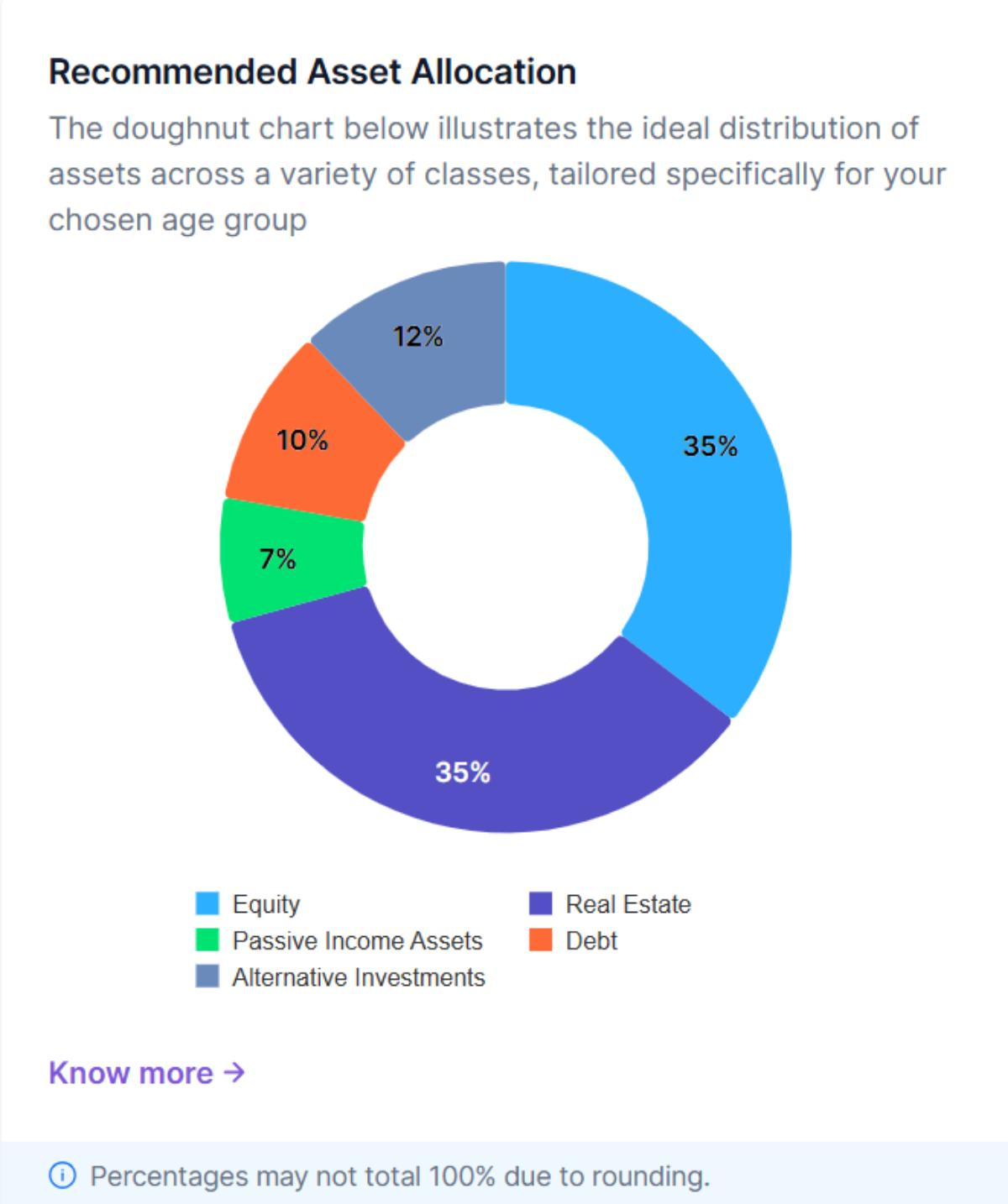
A typical diversified American household portfolio may include:
• U.S. stock index funds
• international equities
• bond funds
• real estate exposure (often through REITs)
• retirement accounts
• home equity
This approach helps stabilize long-term returns and reduces vulnerability to individual market shocks.
For example, when technology stocks declined sharply in the early 2000s, diversified portfolios experienced less severe losses compared to concentrated investments.
The goal is not to eliminate risk entirely, but to manage it intelligently.
Lesson 6: Patience Through Market Cycles
One defining trait among Americans who grew wealth steadily is patience during downturns.
Markets periodically experience volatility, recessions, and corrections. However, historically they have also recovered and continued growing.
For instance:
• The 2008 financial crisis saw major U.S. indexes fall over 50%
• The 2020 pandemic caused rapid global market declines
• Inflation and interest rate cycles periodically create volatility
Investors who panic and exit the market during downturns often lock in losses and miss recovery gains.
Steady investors typically follow a different strategy:
• Continue regular contributions
• Avoid emotional selling
• maintain long-term perspective
• rebalance portfolios if needed
Patience allows compounding to continue working even during uncertain periods.
Lesson 7: Income Growth Matters Too
While investing discipline is critical, income growth also plays an important role.
Many Americans who accumulated wealth steadily focused on improving their earning potential through career development.
Examples include:
• acquiring new professional certifications
• pursuing higher education
• transitioning to higher-paying roles
• building side income streams
Higher income increases the capacity to save and invest.
Even small increases in annual savings—such as raising retirement contributions from 8% to 12%—can significantly accelerate long-term wealth accumulation.
Lesson 8: Avoid High-Interest Debt
High-interest consumer debt is one of the most common barriers to wealth building.
Credit card interest rates in the United States often exceed 20%, which can quickly erode financial progress.
Many financially stable Americans prioritize eliminating high-interest debt before increasing investment contributions.
Common strategies include:
• debt snowball or debt avalanche repayment methods
• consolidating high-interest balances
• limiting credit card use to manageable levels
• maintaining emergency savings to avoid new debt
Reducing interest payments frees up cash flow for investment and savings.
Lesson 9: Long-Term Planning Creates Stability
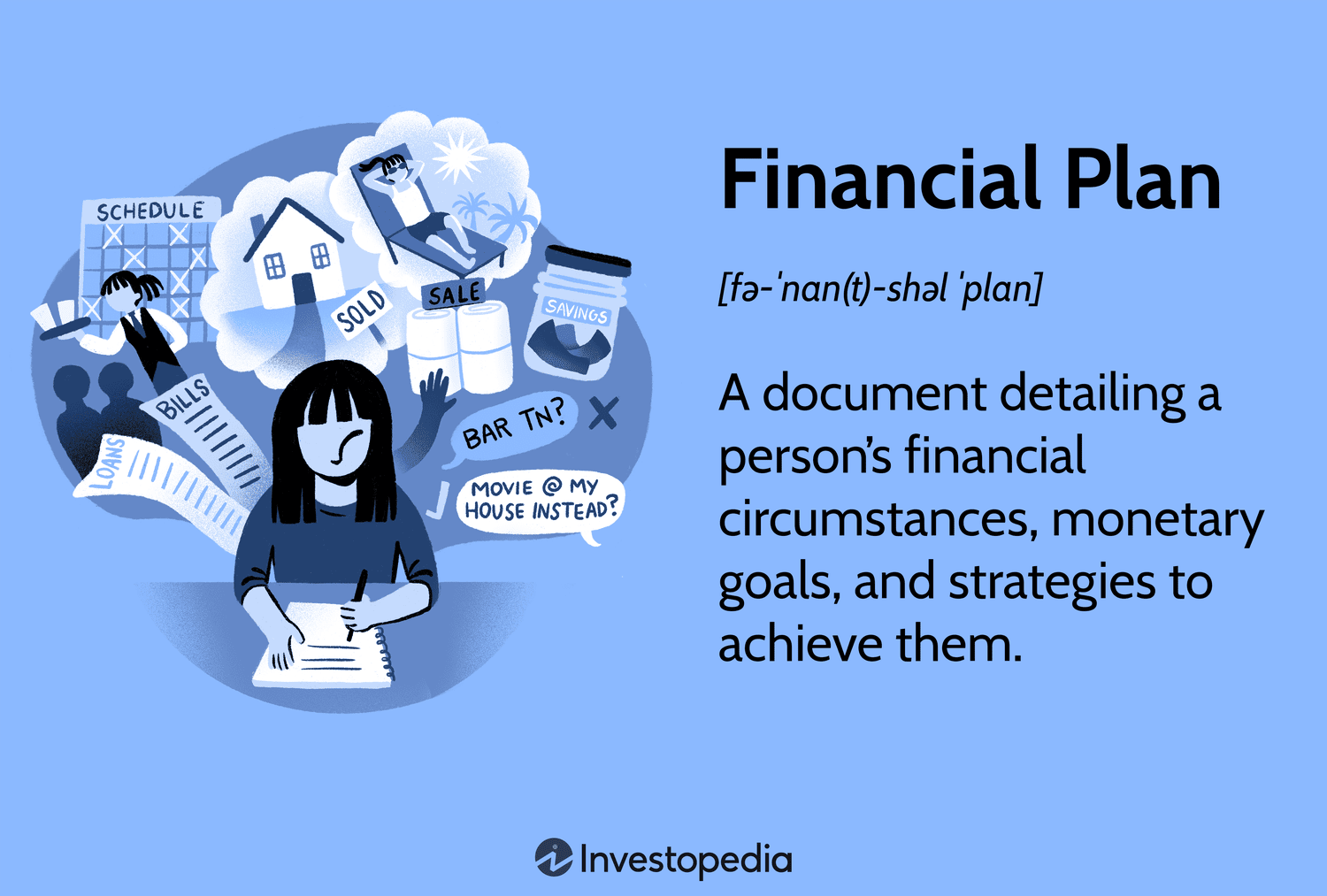
Wealth builders often approach finances with structured planning.
Rather than reacting to short-term financial pressures, they create long-term frameworks for saving, investing, and spending.
This often includes:
• retirement planning timelines
• emergency funds covering 3–6 months of expenses
• estate planning documents
• insurance coverage for major risks
These safeguards protect financial progress and reduce the likelihood of setbacks.
Steady growth thrives in environments of stability and preparation.

Frequently Asked Questions
What is steady wealth growth?
Steady wealth growth refers to gradually increasing net worth through consistent saving, diversified investing, and disciplined financial habits over many years.
How long does it typically take to build significant wealth?
For many Americans, meaningful wealth accumulation occurs over 20–40 years of consistent investing, especially through retirement accounts and market growth.
Do you need a high income to build wealth steadily?
Not necessarily. While higher income helps, many Americans build wealth through moderate incomes combined with consistent saving, low debt, and disciplined investing.
What percentage of income should be saved?
Financial planners commonly recommend saving 10–20% of gross income, including retirement contributions.
Are index funds good for long-term investors?
Many financial experts support index funds because they provide broad diversification, low costs, and long-term exposure to market growth.
Should you invest during market downturns?
Many steady investors continue investing during downturns because lower prices can increase long-term returns when markets recover.
How important is an emergency fund?
Emergency savings are crucial. They help prevent reliance on high-interest debt and protect long-term investments from premature withdrawal.
Is real estate necessary for wealth building?
Real estate can be helpful but is not required. Many Americans build substantial wealth through diversified stock investments and retirement accounts alone.
What is lifestyle inflation?
Lifestyle inflation occurs when spending increases alongside income growth, reducing the ability to save and invest.
Why is patience important in investing?
Investing success often depends on allowing compound growth to work over decades rather than reacting to short-term market fluctuations.
The Quiet Strategy Behind Lasting Financial Security
The Americans who achieved steady wealth growth rarely relied on extraordinary luck or dramatic investment strategies. Their success was rooted in ordinary habits practiced consistently over long periods.
They saved regularly, invested patiently, avoided excessive debt, and maintained balanced lifestyles. Over decades, those habits compounded into meaningful financial security.
For individuals seeking long-term financial stability, the lessons from these steady wealth builders offer a reliable roadmap: discipline, patience, and consistency often matter far more than chasing the next big opportunity.
Key Insights Worth Remembering
• Wealth is often built through consistency rather than dramatic investment moves
• Starting early provides a powerful compounding advantage
• Retirement accounts and employer matches significantly accelerate growth
• Living below your means creates sustainable savings capacity
• Diversification helps protect long-term financial progress
• Patience through market volatility is essential for long-term investing