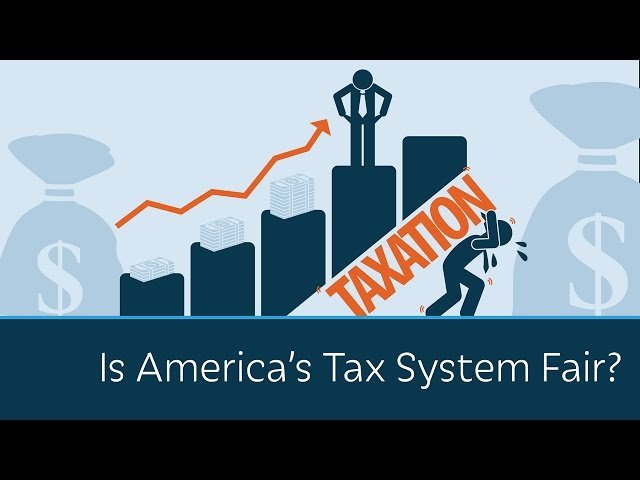
Debates about fairness in the U.S. tax system have intensified as policymakers, economists, and taxpayers examine how income, wealth, and corporate profits are taxed. Questions about who pays what share of taxes—and whether the system treats different groups equitably—are shaping policy discussions in Washington and beyond. Understanding these debates helps Americans navigate an evolving tax landscape.
Why Tax Fairness Is a Central Policy Debate
Few public policy topics generate as much sustained debate as tax fairness. The U.S. tax system funds federal programs ranging from infrastructure and defense to healthcare and education. At the same time, the way taxes are structured determines how the burden is distributed among households and businesses.
Fairness in taxation generally revolves around two key principles: ability to pay and equal treatment under the law. Policymakers often attempt to balance these ideas while ensuring the government collects sufficient revenue to operate effectively.
Organizations such as the Tax Policy Center and the Congressional Budget Office regularly analyze how tax policies affect different income groups. Their research helps inform discussions about whether the current system distributes tax obligations in ways that Americans perceive as equitable.
Understanding these debates requires examining how the tax system works in practice and why different groups often view fairness differently.
How the U.S. Tax System Is Structured
The U.S. tax system includes multiple layers of taxation, with federal income taxes serving as the most visible component for individuals.
Key elements include:
- Federal income taxes
- Payroll taxes that fund Social Security and Medicare
- Corporate income taxes
- Capital gains taxes on investment profits
- Estate and gift taxes
- State and local taxes, including property and sales taxes
The federal income tax system is progressive, meaning tax rates generally increase as income rises. Higher-income households pay a larger share of their income in federal taxes compared with lower-income households.
According to data from the Congressional Budget Office, the highest-earning households pay a significant portion of federal income taxes each year. However, debates continue about whether the overall tax structure adequately reflects differences in wealth and income.
Progressive Taxation and the Ability-to-Pay Principle
A progressive tax system is designed around the idea that individuals with higher incomes can contribute a larger share of their earnings without compromising basic financial security.
Supporters argue that progressive taxation helps:
- Reduce income inequality
- Ensure essential government services are funded
- Protect lower-income households from excessive tax burdens
For example, federal income tax brackets increase gradually as taxable income rises. This means someone earning $50,000 pays a lower marginal tax rate than someone earning $500,000.
Advocates of this structure argue that it reflects a widely accepted economic principle: the marginal utility of income decreases as income rises. In simpler terms, an additional dollar typically has less impact on someone earning a high income than on someone earning a modest salary.
However, critics sometimes argue that high marginal rates can discourage investment or entrepreneurship. These differing perspectives contribute to ongoing debates about where tax rates should be set.
Payroll Taxes and Their Role in the Fairness Debate
Payroll taxes represent another important dimension of tax fairness discussions.
These taxes fund programs administered by the Social Security Administration and healthcare benefits provided through Centers for Medicare & Medicaid Services.
Unlike income taxes, payroll taxes apply at a flat rate up to a certain wage threshold. Because of this structure, some analysts argue that payroll taxes can place a relatively larger burden on middle-income workers.
For instance:
- Payroll taxes apply to wages but not many types of investment income.
- Earnings above a specific threshold are not subject to the Social Security portion of the payroll tax.
These design features often appear in discussions about whether the tax system fully reflects differences between wage income and wealth generated through investments.
Corporate Taxes and Public Perception
Another frequently discussed fairness issue involves corporate taxation.
Large corporations play a significant role in the U.S. economy, and their tax contributions are often scrutinized. Policymakers debate how corporate tax policies affect competitiveness, investment, and revenue generation.
The Tax Cuts and Jobs Act reduced the federal corporate tax rate from 35% to 21%. Supporters argued that the change made U.S. companies more competitive internationally, while critics raised concerns about its impact on federal revenue.
Corporate tax fairness debates often focus on:
- The use of deductions and credits
- The taxation of multinational profits
- The relationship between corporate taxes and shareholder income
For many Americans, perceptions of fairness depend partly on whether corporations are seen as contributing an appropriate share relative to individuals.
Wealth, Capital Gains, and Investment Income
A major component of the tax fairness conversation involves the taxation of wealth and investment income.
Capital gains taxes apply to profits earned from selling investments such as stocks, real estate, or business interests. These gains are typically taxed at lower rates than ordinary income if the assets are held long term.
Some policymakers argue that these lower rates encourage investment and economic growth. Others contend that they create disparities between how different types of income are taxed.
For example, a professional earning a salary may pay a higher tax rate on wages than an investor earning a similar amount through long-term capital gains.
This difference has led to proposals aimed at aligning capital gains rates more closely with income tax rates, though such proposals remain subjects of ongoing policy debate.
Regional Differences in Tax Burdens
Another dimension of fairness involves how taxes vary across states.
State and local governments rely on a mix of income, property, and sales taxes to fund public services. Because these taxes differ significantly by state, households in different regions can experience very different overall tax burdens.
Examples include:
- States with no state income tax that rely more heavily on sales or property taxes
- States with progressive income tax systems that mirror federal structures
- Differences in housing costs affecting property tax obligations
These regional differences mean that two families with similar incomes may face different tax burdens depending on where they live.
Understanding these variations is important when evaluating the broader fairness of the tax system.
Transparency and Public Trust in the Tax System
Fairness in taxation is not only about numbers—it also involves public trust.
When taxpayers believe the system is transparent and consistently enforced, compliance rates tend to improve. Conversely, perceptions that the tax system favors certain groups can erode trust.
The Internal Revenue Service plays a central role in administering tax laws and ensuring compliance. The agency’s enforcement efforts, auditing processes, and taxpayer services all contribute to how the public perceives the fairness of the system.
Improving transparency often involves:
- Clearer reporting requirements
- Simplified filing processes
- Stronger enforcement against tax evasion
These measures can help maintain confidence in the integrity of the tax system.
Real-World Examples of Tax Fairness in Practice
To understand the fairness debate more clearly, it helps to look at real-world scenarios.
Consider two households earning similar total income but from different sources.
One household earns its income entirely through wages. The other receives a combination of investment income and dividends. Because these income types may be taxed differently, the households could face different effective tax rates.
Another example involves regional differences. A homeowner in a high-property-tax state may pay significantly more in local taxes than someone in a state with lower property tax rates, even if their home values are similar.
These kinds of examples highlight why fairness in taxation is often viewed through multiple lenses.
Frequently Asked Questions
What does “tax fairness” mean?
Tax fairness generally refers to how equitably tax burdens are distributed among individuals and businesses based on income, wealth, or ability to pay.
Is the U.S. tax system progressive?
Yes. Federal income taxes are progressive, meaning tax rates increase as taxable income rises.
Why are capital gains taxed differently?
Capital gains often receive lower tax rates to encourage long-term investment and economic growth.
What role do payroll taxes play?
Payroll taxes fund Social Security and Medicare programs and apply primarily to wage income.
Do wealthy households pay most federal taxes?
Data from the Congressional Budget Office shows that higher-income households contribute a significant share of federal income tax revenue.
Why do some states have higher tax burdens?
Differences in state tax structures, including income, property, and sales taxes, lead to varying tax burdens across regions.
How do corporate taxes affect individuals?
Corporate taxes can influence wages, investment levels, and shareholder income.
What is the role of the IRS?
The Internal Revenue Service administers federal tax laws, collects taxes, and enforces compliance.
Can tax reform improve fairness?
Tax reforms often aim to address perceived imbalances in the system while maintaining economic growth and revenue stability.
Why the Debate Continues
The conversation about fairness in the U.S. tax system persists because the economy—and the ways people earn income—continues to evolve.
New technologies, changing labor markets, and global investment patterns introduce fresh challenges for policymakers attempting to design equitable tax rules. What appears fair under one economic environment may require adjustment as conditions change.
For this reason, tax policy debates are likely to remain a central feature of American economic discussions for years to come.
Looking Ahead: Balancing Equity, Growth, and Simplicity
The challenge facing policymakers is not simply determining who should pay more or less in taxes. Instead, it involves balancing several competing priorities: fairness, economic efficiency, simplicity, and sufficient government revenue.
As public discussions continue, the outcome will shape how individuals, businesses, and investors make financial decisions. For taxpayers, understanding the core issues behind these debates provides valuable context for evaluating future policy proposals.
Key Insights from the Tax Fairness Discussion
- The U.S. tax system combines income, payroll, corporate, and investment taxes.
- Federal income taxes operate on a progressive structure.
- Payroll taxes play a significant role in funding social insurance programs.
- Differences between wage and investment income taxation drive policy debates.
- State and local tax systems contribute to regional differences in tax burdens.