A new round of tax policy debates in Washington could reshape how households, businesses, and investors interact with the U.S. economy. With several provisions from the 2017 tax overhaul approaching expiration and new proposals under discussion, policymakers are evaluating changes to tax rates, credits, corporate rules, and investment incentives that could influence economic growth and federal revenue for years ahead.
Why the Current Tax Debate Matters
Tax policy plays a central role in shaping economic activity in the United States. It determines how much households keep from their paychecks, how businesses invest in expansion, and how the federal government funds programs and infrastructure.
The current debate is especially significant because several provisions of the Tax Cuts and Jobs Act are scheduled to expire after 2025. Lawmakers now face decisions about whether to extend those provisions, replace them, or introduce entirely new tax policies.
According to projections from the Congressional Budget Office, federal tax revenue and spending decisions will significantly influence the country’s long-term fiscal outlook. As a result, tax reform discussions are increasingly focused not only on fairness and growth but also on federal debt and budget sustainability.
For households, the outcome of these debates may affect tax rates, credits for children, and deductions. For businesses, the stakes include investment incentives, corporate tax levels, and rules governing international income.
The Economic Role of Tax Policy
Tax policy is often discussed in terms of government revenue, but its broader impact reaches deep into the structure of the economy.
When policymakers adjust tax rates or deductions, they can influence behavior across several areas:
- Household spending and saving
- Business investment decisions
- Labor market participation
- Innovation and research activity
- International competitiveness
For example, lowering the tax cost of equipment purchases can encourage companies to invest in new technology. Expanding family tax credits can increase disposable income for households, potentially boosting consumer spending.
Economists analyze these effects carefully because tax incentives can influence economic growth over many years.
Individual Tax Proposals and Household Finances
A major part of the tax debate focuses on individual taxation. Many provisions affecting households were introduced in 2017 and will expire if Congress takes no action.
Potential areas of change include:
- Marginal income tax rates
- Standard deduction levels
- Child-related tax credits
- Estate tax exemptions
If current law remains unchanged, several tax brackets could return to earlier levels after 2025.
For example, a household earning $100,000 annually might face a slightly higher marginal rate if current provisions expire. However, policymakers are considering a range of options—from extending existing rates to redesigning the entire bracket structure.
Household planning decisions—such as retirement contributions, education savings, or investment strategies—often depend on these tax parameters.
The Future of the Child Tax Credit
The Child Tax Credit has become one of the most closely watched components of the tax debate.
During the pandemic, temporary expansions increased both the size of the credit and its availability to families with lower incomes. Data from the U.S. Census Bureau showed that those expansions coincided with a significant reduction in child poverty during the period they were in effect.
Since then, policymakers have proposed several variations of the credit.
Key questions under discussion include:
- Should the credit be fully refundable?
- Should payments be delivered monthly or annually?
- Should income limits change?
For a family with two children, these policy decisions could change annual tax benefits by thousands of dollars.
Business Taxes and Investment Incentives
Tax reform discussions also focus heavily on how businesses are taxed.
Businesses rely on predictable tax policy when planning long-term investments. Changes to depreciation rules, research credits, or corporate tax rates can affect decisions about expansion, hiring, and capital purchases.
Common investment incentives currently under debate include:
- Accelerated depreciation for equipment
- Research and development tax credits
- Energy investment incentives
- Manufacturing-related deductions
For example, a manufacturing company considering a $2 million equipment purchase might accelerate the investment if tax law allows immediate deductions.
Such policies can encourage innovation and productivity improvements across industries.
Small Business and the Pass-Through Deduction
Many American businesses operate as pass-through entities, meaning their profits are taxed on the owner’s personal tax return rather than at the corporate level.
The Qualified Business Income deduction allows eligible owners to deduct up to 20% of certain business income.
According to the U.S. Small Business Administration, small businesses make up more than 99% of all companies in the United States. As a result, tax policies affecting pass-through entities influence a large portion of the economy.
If the deduction expires in 2025, some business owners could face higher effective tax rates.
This possibility is a central topic in tax reform discussions, particularly among policymakers concerned with supporting entrepreneurship.
Corporate Taxes and Global Competition
Corporate taxation is another important part of the tax reform conversation.
In 2017, the federal corporate tax rate was reduced from 35% to 21%. Supporters argued that the change made the United States more competitive globally and encouraged companies to invest domestically.
Since then, debates have emerged about whether adjustments are needed.
Policy discussions often focus on:
- The appropriate corporate tax rate
- Rules for multinational companies
- Global minimum tax agreements
- Incentives for domestic manufacturing
Balancing competitiveness with revenue needs is a key challenge for policymakers.
Tax Policy and Federal Debt
Another factor shaping the tax debate is the long-term federal budget outlook.
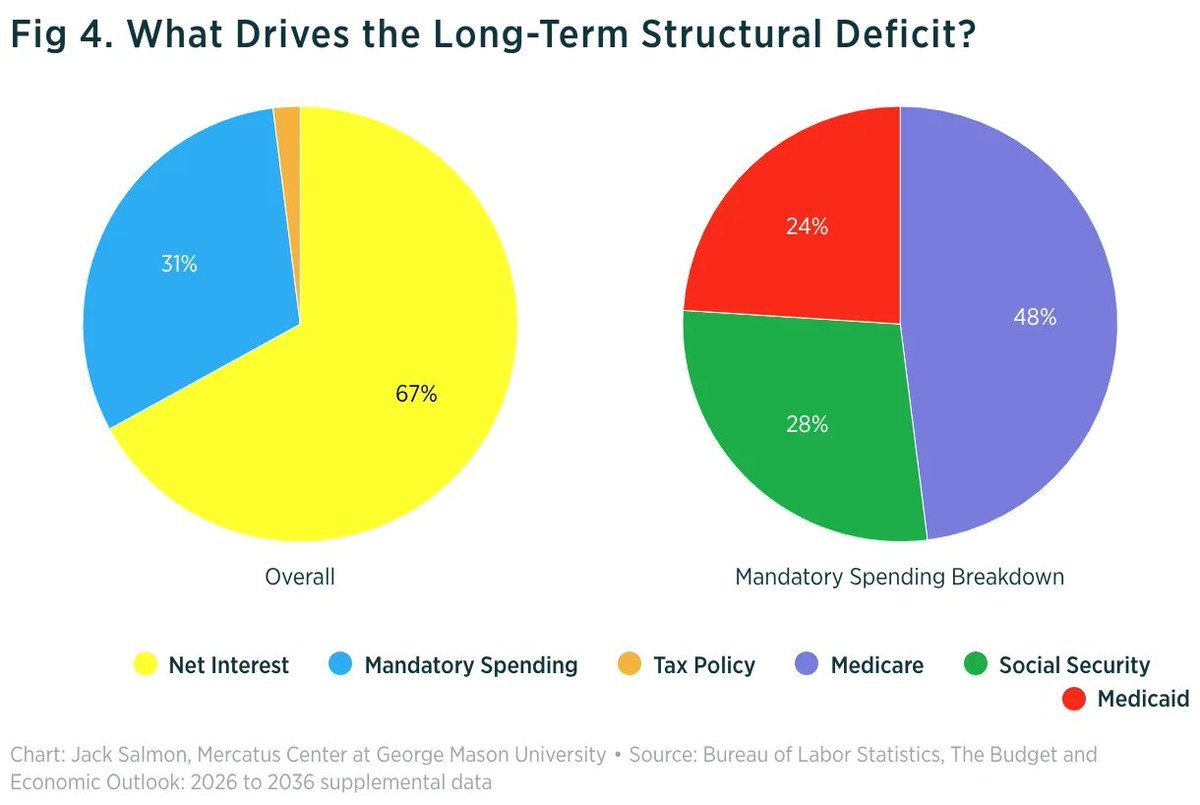
The United States faces rising costs related to healthcare programs, retirement benefits, and interest payments on federal debt.
As a result, tax policy decisions increasingly involve trade-offs between economic growth and government revenue.
Economists often evaluate tax proposals based on several criteria:
- Impact on economic growth
- Distribution across income groups
- Effect on federal revenue
- Administrative complexity
Finding a balance among these priorities is one of the most difficult aspects of tax reform.
How Proposed Reforms Could Affect the Economy
The outcome of current tax debates could influence several areas of economic performance.
Possible effects include:
- Changes in consumer spending if household taxes rise or fall
- Shifts in business investment if corporate tax rules change
- Differences in hiring decisions tied to payroll and investment incentives
- Adjustments in international investment flows
For example, if tax incentives strongly encourage domestic manufacturing, companies may expand U.S. production facilities. If family tax credits increase disposable income, consumer spending could rise.
However, economists caution that tax policy is only one factor shaping economic outcomes. Interest rates, global economic conditions, and technological innovation also play major roles.
What Americans Are Asking About Tax Reform
Many Americans want to understand how complex policy debates translate into real-world effects.
Common questions include:
- Will my taxes increase in the next few years?
- How could tax changes affect small businesses?
- Are corporate tax changes good or bad for the economy?
- What happens if current tax laws expire?
- How do tax credits influence family finances?
Answering these questions requires examining not only the tax code but also the broader economic context.
Frequently Asked Questions
1. Why is the current tax debate happening now?
Many provisions of the 2017 tax law expire after 2025, requiring Congress to decide whether to extend or replace them.
2. Will individual tax rates increase?
Rates could increase if existing provisions expire, but lawmakers may choose to extend some or all current rates.
3. What is the Qualified Business Income deduction?
It allows eligible small business owners to deduct up to 20% of certain business income.
4. Why are corporate taxes part of the debate?
Corporate tax rates influence investment decisions, international competitiveness, and federal revenue.
5. How does the Child Tax Credit affect families?
It reduces tax liability for households with children and can significantly influence annual refunds.
6. What role does tax policy play in economic growth?
Tax incentives can influence spending, investment, and innovation across the economy.
7. Could tax reforms affect small businesses differently than large corporations?
Yes. Small businesses often rely on pass-through deductions, while large corporations face corporate tax rates.
8. How does tax policy relate to federal debt?
Tax revenue helps fund government programs, and changes in tax policy can affect the federal budget balance.
9. When will the next major tax reform decisions occur?
Many key decisions are expected before the 2025 expiration of current tax provisions.
10. Where can Americans find reliable tax policy information?
Official government publications, economic research organizations, and federal agencies typically publish updates.
A Turning Point for Fiscal Policy
Tax reform debates often reflect broader economic priorities. Policymakers must balance goals such as promoting economic growth, supporting families, maintaining international competitiveness, and ensuring sustainable federal finances.
As discussions continue in Washington, the outcome of proposed reforms could influence how Americans work, invest, and plan for the future. While final legislation may take time to develop, the current debate represents a pivotal moment for the structure of the U.S. tax system.
Key Signals Emerging From the Tax Reform Debate
- Several individual tax provisions may expire after 2025
- The Child Tax Credit remains a major policy discussion
- Small-business tax deductions are under review
- Corporate tax competitiveness continues to influence proposals
- Tax policy decisions are closely linked to federal budget concerns