Summary
Interest rate decisions made by the Federal Reserve influence borrowing costs, mortgage rates, stock markets, and everyday consumer spending across the United States. As policymakers adjust rates to balance inflation and economic growth, households and businesses feel the ripple effects. Understanding how the Fed sets rates—and what it signals about the future—can help Americans make smarter financial decisions in the year ahead.
Inside the Federal Reserve: How Interest Rate Policy Is Shaping the Year Ahead
The interest rate decisions made by the Federal Reserve affect nearly every part of the U.S. economy. From mortgage rates and credit card interest to stock market sentiment and hiring trends, the Fed’s policy choices ripple outward quickly.
In recent years, Americans have become far more aware of the Fed’s role in shaping economic conditions. Inflation surged to levels not seen in decades, prompting aggressive rate hikes from the central bank. Now, with inflation moderating but still above the Fed’s long-term target, policymakers face a delicate balancing act.
Understanding how interest rate policy works—and what signals the Fed is sending about the future—can help individuals, investors, and businesses better prepare for the year ahead.
What the Federal Reserve Actually Does
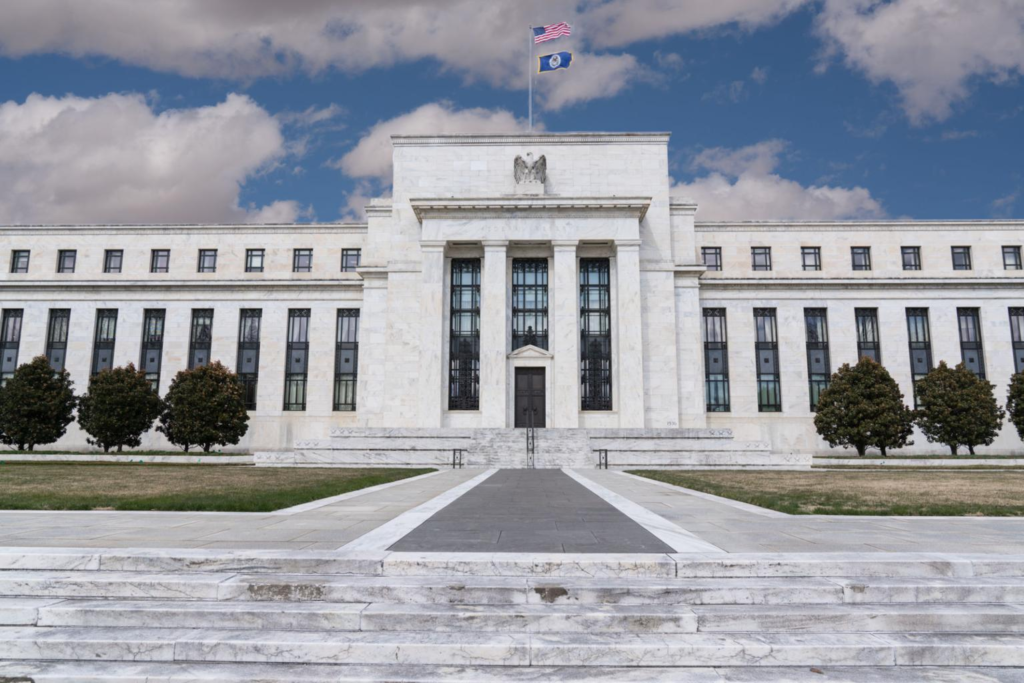
The Federal Reserve serves as the United States’ central bank. Its mandate, established by Congress, focuses on three core goals:
- Price stability (keeping inflation under control)
- Maximum employment
- Stable financial markets
The Fed’s most visible policy tool is its ability to influence short-term interest rates through the federal funds rate. Decisions about this rate are made by the Federal Open Market Committee, commonly known as the FOMC.
The committee meets roughly eight times per year to assess economic conditions and determine whether rates should rise, fall, or remain unchanged.
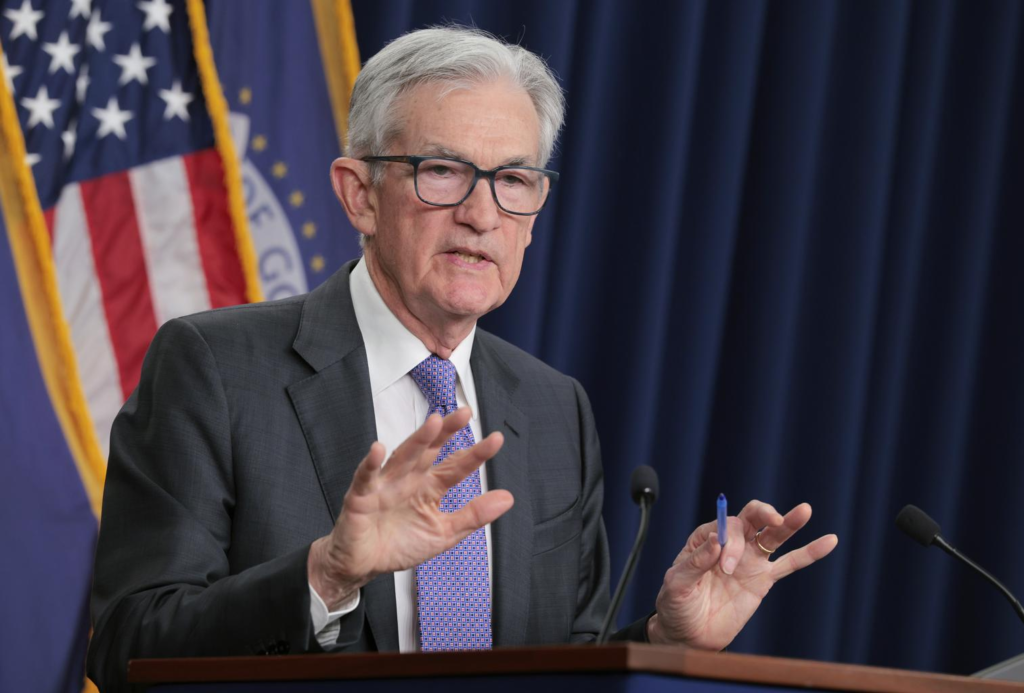
Leading these discussions is Fed Chair Jerome Powell, who communicates the central bank’s outlook through press conferences and testimony before Congress.
Although the federal funds rate applies to overnight lending between banks, its influence spreads across the entire financial system.
Why Interest Rates Matter to Everyday Americans
When the Fed raises or lowers rates, the effects extend far beyond Wall Street.
Interest rate policy shapes the financial environment Americans live in every day.
Higher rates typically mean:
- More expensive mortgages
- Higher credit card interest
- Costlier auto loans
- Slower business investment
Lower rates, by contrast, tend to stimulate borrowing and spending.
For example, a homeowner refinancing a mortgage may save hundreds of dollars per month when rates fall. Conversely, a small business seeking financing may delay expansion when borrowing costs rise.
The impact is also visible in housing markets. Mortgage rates often track expectations about Fed policy. When the Fed signals tighter policy, mortgage rates usually move higher as well.
Why the Fed Raised Rates So Aggressively
Beginning in 2022, inflation in the United States surged to levels not seen since the early 1980s. According to data from the U.S. Bureau of Labor Statistics, consumer prices rose more than 9% year-over-year at the peak of the inflation cycle.
Several factors contributed to the spike:
- Pandemic-era supply disruptions
- Surging consumer demand
- Government stimulus spending
- Energy and commodity shocks
To counter inflation, the Federal Reserve launched one of the fastest rate-hiking cycles in modern history.
Within roughly 18 months, the federal funds rate rose from near zero to over 5%, dramatically tightening financial conditions.
The strategy was straightforward: higher interest rates slow economic activity, which in turn helps reduce inflation pressures.
However, policymakers also had to avoid pushing the economy into recession.
The Current Policy Dilemma
Today, the Fed faces a complicated economic landscape.
Inflation has cooled from its peak, but remains somewhat above the central bank’s long-term 2% target. Meanwhile, the labor market continues to show resilience, with strong job creation and relatively low unemployment.
This leaves policymakers navigating three competing risks:
- Cut rates too early — inflation could surge again.
- Keep rates too high too long — economic growth could slow sharply.
- Move too quickly in either direction — financial markets could destabilize.
As a result, the Fed has shifted toward a more cautious, data-driven approach.
Each inflation report, employment update, and consumer spending figure now carries heightened importance for future rate decisions.

Signals the Fed Uses to Guide Policy
While the federal funds rate grabs headlines, the Fed analyzes a wide range of economic indicators before adjusting policy.
Key signals include:
- Consumer Price Index (CPI) inflation data
- Personal Consumption Expenditures (PCE) inflation
- Unemployment rate and job growth
- Wage growth trends
- Retail spending patterns
- Business investment and productivity
Among these, the Fed often emphasizes core PCE inflation, which excludes volatile food and energy prices and provides a clearer view of underlying price trends.
In addition to hard data, policymakers also evaluate financial conditions such as credit availability and market liquidity.
How Rate Policy Influences the Economy
Interest rates affect economic activity through several transmission channels.
1. Consumer borrowing
Higher rates make loans more expensive. This discourages discretionary purchases such as homes, vehicles, and large appliances.
2. Business investment
Companies rely heavily on credit for expansion. When borrowing costs rise, businesses often postpone hiring or capital projects.
3. Asset prices
Stocks and real estate valuations frequently respond to interest rate expectations. Higher rates tend to lower valuations by increasing the discount rate applied to future earnings.
4. Currency value
Higher U.S. rates often strengthen the dollar because global investors seek higher returns in dollar-denominated assets.
Each of these channels contributes to slower economic growth, which can help reduce inflationary pressures.
How Markets Interpret Federal Reserve Signals
Financial markets do not wait for the Fed to act. Instead, they react to expectations about what the central bank might do.
Investors closely watch:
- Fed speeches
- FOMC meeting statements
- Economic projections
- Press conferences
Even subtle wording changes can shift expectations about future policy.
For example, if policymakers emphasize “persistent inflation risks,” markets may assume rates will stay higher for longer.
Conversely, references to “softening economic activity” might suggest rate cuts are approaching.
Because markets react quickly, mortgage rates and Treasury yields often move before the Fed formally changes policy.
What Rate Policy Means for Households in the Year Ahead
For American households, the implications of Fed policy are practical and immediate.
Borrowers
Those carrying variable-rate debt—such as credit cards or adjustable-rate mortgages—are especially sensitive to rate changes.
If rates remain elevated:
- Credit card interest costs will stay high
- Home affordability may remain strained
- Personal loan rates could remain elevated
Savers
Higher interest rates also benefit certain groups.
Savings accounts, money market funds, and Treasury bills typically offer better yields during periods of tighter monetary policy.
For retirees or conservative investors, this can provide a rare period of attractive income from low-risk assets.
Homebuyers
Housing markets are particularly sensitive to Fed policy. Mortgage rates often reflect expectations about long-term inflation and interest rate trends.
If the Fed begins easing policy later in the year, mortgage rates could gradually decline, potentially boosting housing demand.
What Businesses and Investors Are Watching
Corporate leaders and institutional investors are closely tracking several developments:
- Whether inflation continues trending downward
- How resilient consumer spending remains
- Whether wage growth stabilizes
- Signals about future rate cuts
Many economists expect gradual rate reductions over the next year if inflation continues to moderate.
However, the Fed has repeatedly emphasized that policy will remain data dependent.
This means that unexpected economic developments—such as energy shocks or rapid wage growth—could alter the path of interest rates.
Frequently Asked Questions
1. What is the federal funds rate?
The federal funds rate is the interest rate banks charge each other for overnight loans. The Federal Reserve targets this rate to influence borrowing costs throughout the economy.
2. How often does the Federal Reserve change interest rates?
The FOMC meets about eight times per year. Rate changes can occur at any meeting depending on economic conditions.
3. Why does the Fed raise interest rates?
Higher interest rates slow economic activity and help reduce inflation by discouraging excessive borrowing and spending.
4. Why does the Fed cut rates?
Rate cuts stimulate economic growth by making borrowing cheaper and encouraging investment and consumer spending.
5. Do mortgage rates move exactly with Fed rates?
No. Mortgage rates are more closely tied to long-term Treasury yields, though Fed policy strongly influences market expectations.
6. Can the Federal Reserve cause a recession?
Aggressive rate hikes can slow the economy enough to trigger a recession, though the Fed aims to avoid that outcome.
7. What is the Fed’s inflation target?
The Federal Reserve aims for 2% annual inflation based on the Personal Consumption Expenditures price index.
8. How does Fed policy affect the stock market?
Higher rates generally pressure stock valuations, while lower rates tend to support equity markets.
9. Who decides Federal Reserve policy?
The Federal Open Market Committee, consisting of Fed governors and regional bank presidents, determines monetary policy.
10. How long does it take for rate changes to affect the economy?
Monetary policy often works with a lag of 6 to 18 months before its full economic effects become visible.
Reading the Signals from America’s Central Bank
Federal Reserve policy will remain one of the most powerful forces shaping the economic landscape in the year ahead. Interest rate decisions influence housing markets, business investment, consumer spending, and financial markets simultaneously.
For individuals and businesses alike, understanding how the Fed interprets inflation and economic data provides valuable insight into what may lie ahead.
While uncertainty always surrounds monetary policy, one reality remains clear: the decisions made inside the Federal Reserve continue to shape the financial conditions Americans experience every day.
Key Economic Signals to Watch This Year
- Inflation trends in CPI and PCE reports
- Monthly job growth and unemployment levels
- Wage growth across major industries
- Consumer spending and retail activity
- Housing market demand and mortgage rates
- Federal Reserve policy statements and economic projections