New tax policy proposals in the United States are reshaping the national fiscal debate as lawmakers confront expiring tax cuts, growing federal deficits, and economic competitiveness concerns. From changes to corporate taxes and family credits to new incentives for investment and manufacturing, these policy ideas could significantly affect household finances, small business decisions, and the broader trajectory of the U.S. economy.
Why Tax Policy Is Central to Today’s Fiscal Debate
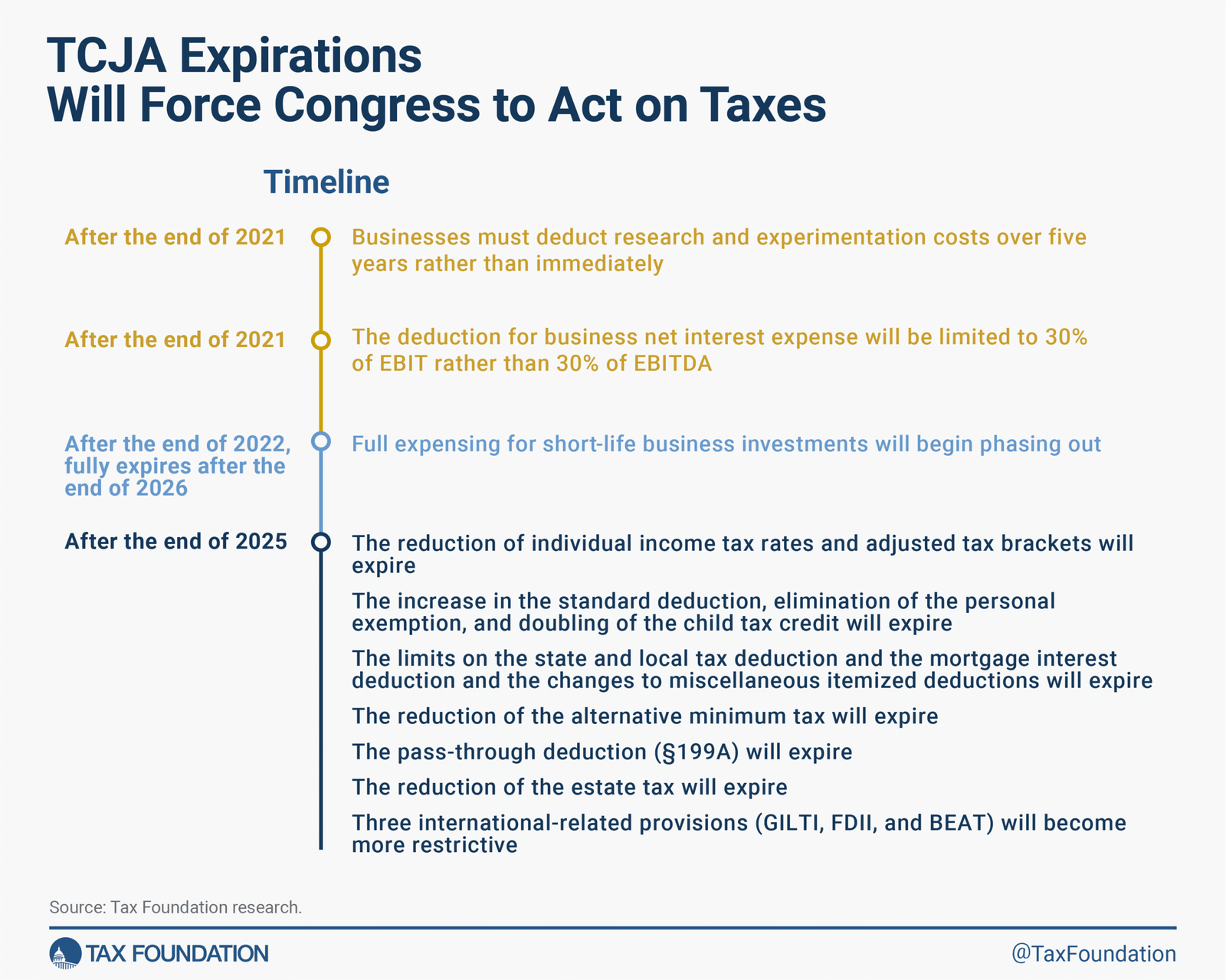
Tax policy has always played a central role in the U.S. economy, but the debate has intensified in recent years. With key provisions from the Tax Cuts and Jobs Act set to expire after 2025, lawmakers in Washington, D.C. face a critical choice: extend existing policies, modify them, or introduce entirely new tax structures.
This debate is taking place within key congressional bodies such as the United States Senate Committee on Finance and the United States House Committee on Ways and Means, both of which are responsible for drafting tax legislation.
Beyond political differences, the core issue is economic balance. Policymakers must determine how to encourage economic growth, maintain international competitiveness, and generate enough revenue to support federal programs.
Recent fiscal projections from the Congressional Budget Office estimate that federal debt could exceed 115% of GDP within the next decade if current trends continue. That projection is one reason tax reform discussions have intensified.
The 2025 Tax Policy Turning Point
A significant driver of the current debate is what policy analysts often call the “2025 tax cliff.”
Many provisions introduced by the Tax Cuts and Jobs Act were designed to expire automatically unless Congress renews them. If no action is taken, several key changes could occur simultaneously.
Potential outcomes include:
- Higher individual income tax rates for many households
- A reduced standard deduction
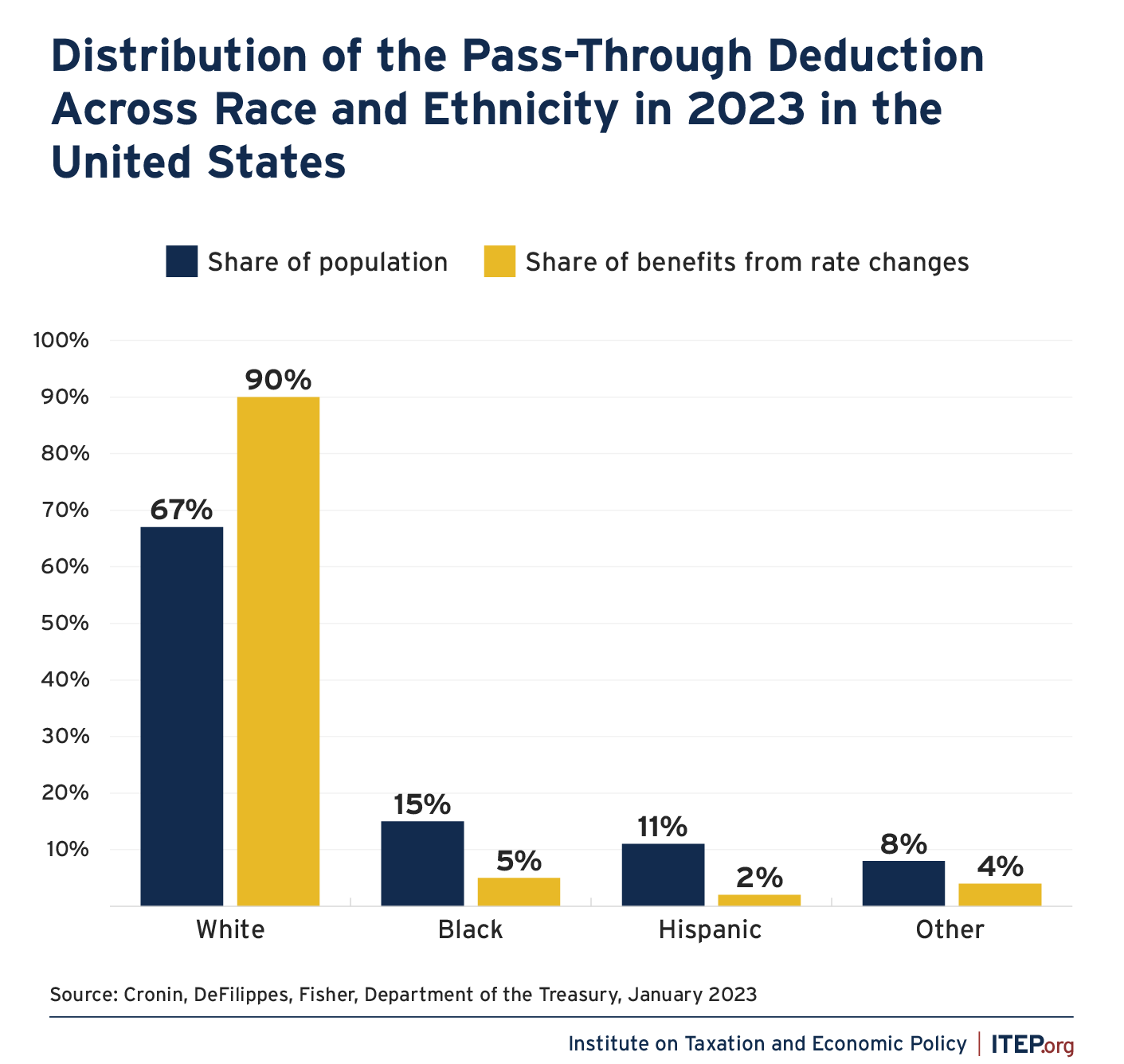
- Expiration of the pass-through business deduction
- Lower estate tax thresholds
- Changes to child and family tax credits
For millions of taxpayers, this would represent the largest shift in federal tax policy since the late 2010s.
Small business owners, in particular, are watching the fate of the Qualified Business Income deduction, which allows many pass-through businesses to deduct up to 20% of their profits from taxable income.
Competing Visions for the U.S. Tax System
Across the political spectrum, policymakers agree that the tax system influences economic behavior. However, they disagree about how tax policy should achieve its goals.
Several competing visions are shaping the current debate.
Lower Taxes to Stimulate Economic Growth
Supporters of lower tax rates argue that reducing taxes encourages investment, entrepreneurship, and job creation.
This approach draws heavily from the economic theory popularized during the Reaganomics era, when tax reductions were used as a strategy to boost economic expansion.
Advocates say lower taxes can:
- Increase business investment
- Encourage hiring and wage growth
- Attract global capital to the United States
Targeted Credits to Support Families and Workers
Another approach focuses on expanding tax credits to help middle- and lower-income households.
Examples often discussed in policy proposals include:
- Larger child tax credits
- Expanded earned income tax credits
- Tax relief for childcare expenses
- Credits tied to education and workforce training
Proponents argue these policies help families manage rising living costs while increasing workforce participation.
Revenue Measures to Reduce Federal Deficits
A third policy perspective emphasizes fiscal sustainability.
Some proposals aim to raise revenue by adjusting tax rates for higher-income households or multinational corporations. Advocates say these changes are necessary to manage long-term deficits and fund federal priorities such as infrastructure, healthcare, and national defense.
Corporate Tax Policy and Global Competition
Corporate taxes are another major area of debate.
When the Tax Cuts and Jobs Act lowered the federal corporate tax rate from 35% to 21%, the goal was to make the United States more competitive internationally.
Supporters say the change encouraged companies to bring investment back to the U.S. Critics argue that the benefits were unevenly distributed.
International coordination has also become a key issue. Global agreements involving the Organisation for Economic Co‑operation and Development are attempting to establish a global minimum corporate tax rate to prevent multinational companies from shifting profits to low-tax jurisdictions.
For American companies operating globally, these developments could significantly affect tax planning and investment strategies.
How Tax Policy Affects Households
For many Americans, tax policy debates can seem abstract. In practice, however, tax changes often influence everyday financial decisions.
The following areas typically have the most direct impact on households:
- Standard deductions
- Child tax credits
- Education tax benefits
- Retirement savings incentives
- Capital gains tax rates
Consider a typical middle-income household earning $90,000 annually.
If lawmakers expand the child tax credit, that household could see its annual tax bill decrease significantly. Conversely, if certain deductions expire, the same family could pay more in federal income taxes.
Because tax policies interact with wages, inflation, and household expenses, even small adjustments can affect financial planning.
Small Businesses and the Tax Policy Debate
Small businesses are especially sensitive to tax policy changes because many operate as pass-through entities, meaning profits are taxed on the owner’s personal return.
According to the U.S. Small Business Administration, small businesses represent about 99% of all companies in the United States and employ nearly half of the private workforce.
Tax proposals that affect these businesses often focus on:
- Pass-through income deductions
- Equipment expensing rules
- Research and development deductions
- Payroll tax obligations
- Energy or manufacturing tax credits
Practical Example
Imagine a small technology consulting firm earning $300,000 in annual profit.
If the pass-through deduction remains in place:
- The owner may deduct up to $60,000 from taxable income.
If that deduction expires:
- The full amount could become taxable, increasing the owner’s tax burden.
That difference may influence decisions about hiring employees, investing in new software, or expanding services.
The Budgetary Trade-Offs Behind Tax Reform
Every tax policy decision involves trade-offs.
Lower taxes can stimulate economic growth, but they may also reduce government revenue. Higher taxes can strengthen federal finances, but they may discourage certain investments.
Economists often analyze these trade-offs using several key metrics:
- Federal deficit projections
- GDP growth rates
- Employment trends
- Business investment levels
- Household consumption patterns
For policymakers, balancing these variables is one of the most difficult aspects of fiscal governance.
What Economic Analysts Are Watching
As tax reform debates continue, economists and policy analysts are focusing on several indicators.
Important signals include:
- Whether Congress extends expiring tax provisions
- Changes to corporate tax structures
- Adjustments to family tax credits
- Federal deficit projections
- Investment incentives for domestic manufacturing
Many experts believe the final tax legislation will include a combination of tax relief measures and revenue-raising provisions.
Preparing for Possible Policy Changes
Even though tax reform debates are ongoing, individuals and businesses can begin preparing for potential changes.
Key steps include:
- Monitoring legislative developments
- Reviewing current tax deductions and credits
- Consulting with tax professionals before major financial decisions
- Planning investments around potential policy changes
- Evaluating long-term retirement and savings strategies
For both households and entrepreneurs, staying informed is often the best defense against unexpected tax shifts.
Frequently Asked Questions
1. Why is tax reform being debated now?
Many provisions from the 2017 tax law expire after 2025, requiring Congress to decide whether to extend or modify them.
2. Will taxes increase for most Americans?
That depends on future legislation. Without changes, some tax rates could revert to higher levels after current provisions expire.
3. What is the pass-through business deduction?
It allows eligible small business owners to deduct up to 20% of business income from taxable income.
4. Could the child tax credit change?
Yes. Several proposals aim to increase the credit to provide more support for families.
5. Why are corporate taxes part of the debate?
Corporate taxes influence global competitiveness and investment decisions.
6. How does tax policy affect economic growth?
Tax rates and incentives can influence business investment, hiring, and consumer spending.
7. Will tax reforms affect retirement savings?
Some proposals include adjustments to retirement account tax benefits.
8. Why do tax changes take so long to pass?
Tax legislation requires negotiation between political parties and careful budget analysis.
9. What role does the Congressional Budget Office play?
The Congressional Budget Office provides independent analysis of how tax proposals affect the federal budget.
10. How can households prepare for tax policy changes?
Staying informed, tracking deductions, and consulting tax professionals can help families plan effectively.
The Fiscal Crossroads Facing the United States
The United States is approaching an important fiscal moment. Decisions about taxes in the coming years will shape federal revenue, economic growth, and financial stability for decades.
Lawmakers must balance competing priorities—supporting families, encouraging business investment, maintaining global competitiveness, and managing federal debt.
While the final outcome remains uncertain, one reality is clear: tax policy will continue to play a defining role in the country’s economic direction.
Key Insights From the National Tax Policy Conversation
- Major tax provisions are scheduled to expire after 2025
- Policymakers are debating extensions, modifications, or new reforms
- Corporate and small business tax structures are central to the discussion
- Family tax credits remain a major focus for household relief
- Federal deficit concerns are shaping policy negotiations
- Tax policy decisions can influence investment, hiring, and economic growth