Summary
The Federal Reserve adjusts interest rates to keep the U.S. economy stable, balancing inflation, employment, and economic growth. By analyzing inflation trends, labor market data, financial conditions, and global developments, the Fed decides whether to raise, lower, or maintain rates. These decisions influence borrowing costs, mortgages, credit cards, and investments—affecting nearly every American household and business.
Why Interest Rate Decisions Matter to Americans
When the Federal Reserve changes interest rates, the impact reaches far beyond Wall Street. Mortgage payments, credit card interest, car loans, savings yields, and even job growth can shift as a result. For many Americans, rate decisions determine whether buying a home is affordable, whether businesses expand hiring, and how much interest savings accounts earn.
The central bank responsible for these decisions is the Federal Reserve. Often referred to simply as “the Fed,” it manages monetary policy with the goal of maintaining a healthy and stable economy.
At the center of this policy process is the Federal Open Market Committee, which meets regularly to evaluate economic data and determine whether interest rates should be raised, lowered, or left unchanged.
The interest rate most people hear about in the news is the Federal Funds Rate. While ordinary consumers don’t borrow at this rate directly, it strongly influences the rates banks charge for mortgages, credit cards, business loans, and savings accounts.
Understanding how the Fed determines when to adjust rates can help Americans make better financial decisions and anticipate economic shifts.
The Federal Reserve’s Dual Mandate
Congress established the Fed with two primary objectives, often called the dual mandate:
- Maximum employment
- Stable prices (low inflation)
These goals are sometimes in tension. A rapidly growing economy can produce strong job growth but also push prices higher. Conversely, tightening monetary policy to control inflation can slow economic growth and hiring.
The Fed typically aims for an inflation rate of about 2% annually, measured primarily using the Personal Consumption Expenditures (PCE) Price Index. This benchmark allows for moderate price growth without eroding purchasing power.
In practice, Fed policymakers constantly evaluate whether economic conditions are drifting too far from these targets.
Key Economic Indicators the Fed Monitors
Interest rate decisions are rarely based on a single data point. Instead, policymakers review a wide range of economic indicators to build a comprehensive picture of the economy.
Inflation Data
Inflation is often the most influential factor in rate decisions. When inflation rises too quickly, the Fed may raise interest rates to slow spending and borrowing.
Common measures include:
- Consumer Price Index (CPI)
- Personal Consumption Expenditures (PCE) Price Index
- Core inflation (excluding food and energy)
For example, during the inflation surge following the pandemic recovery, the Fed began one of the fastest rate-hiking cycles in modern history to bring inflation back toward its target.
Labor Market Conditions
The Fed carefully tracks employment indicators to understand whether the economy is overheating or weakening.
Important labor data includes:
- Unemployment rate
- Job creation numbers (nonfarm payrolls)
- Wage growth
- Labor force participation
A strong labor market can support higher interest rates because workers have income to sustain spending. But if unemployment begins rising quickly, the Fed may pause or lower rates to support economic activity.
Economic Growth Trends
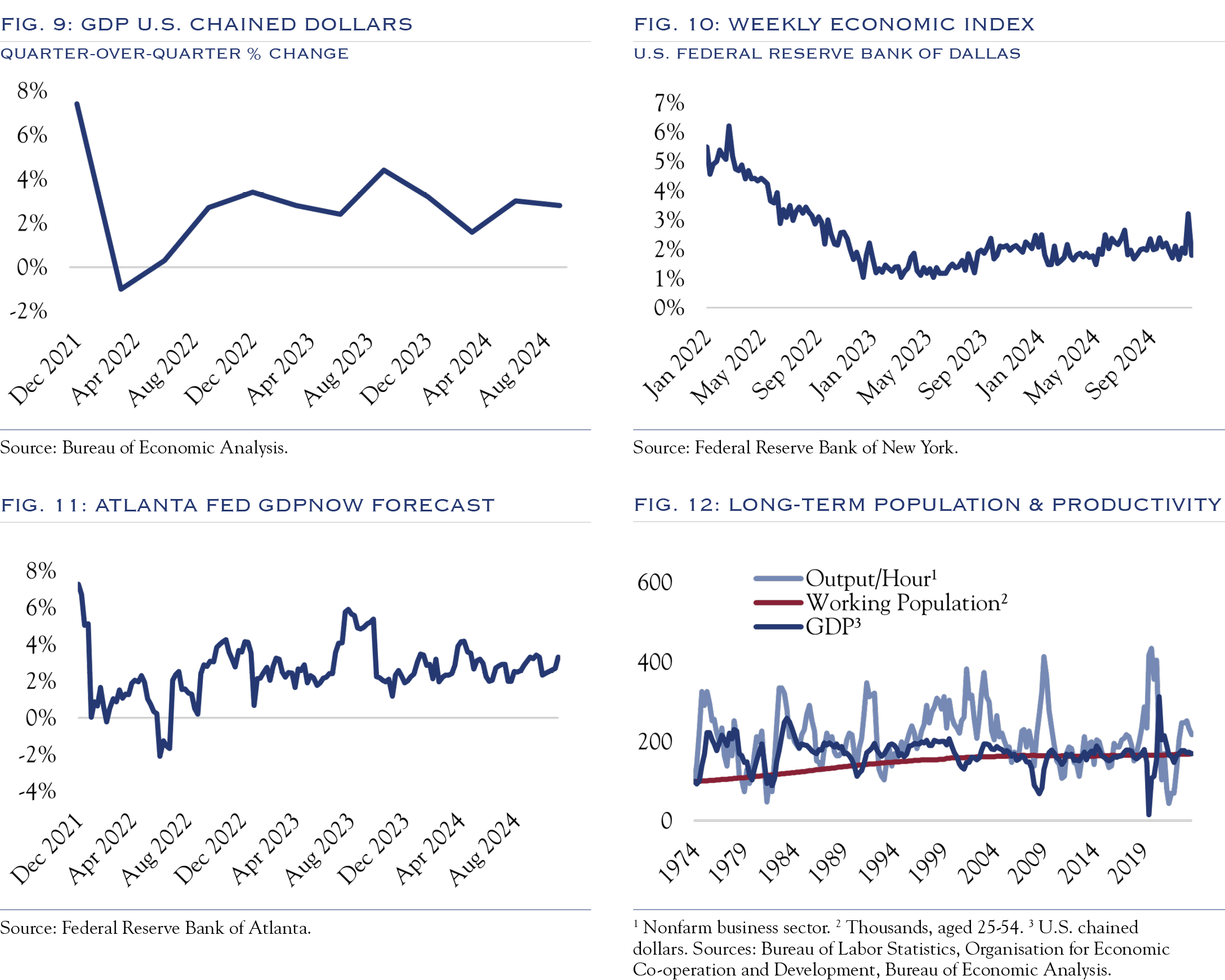
Gross domestic product (GDP) provides a broad measure of economic activity. When growth slows sharply or contracts, policymakers often consider lowering rates to stimulate investment and spending.
Conversely, extremely strong growth paired with rising inflation can push the Fed toward rate increases.
Financial Market Signals
In addition to traditional economic data, the Fed closely monitors financial markets.
Bond markets in particular often provide early signals about economic expectations. For example, movements in the 10-Year Treasury Yield influence mortgage rates across the country.
Other financial indicators the Fed watches include:
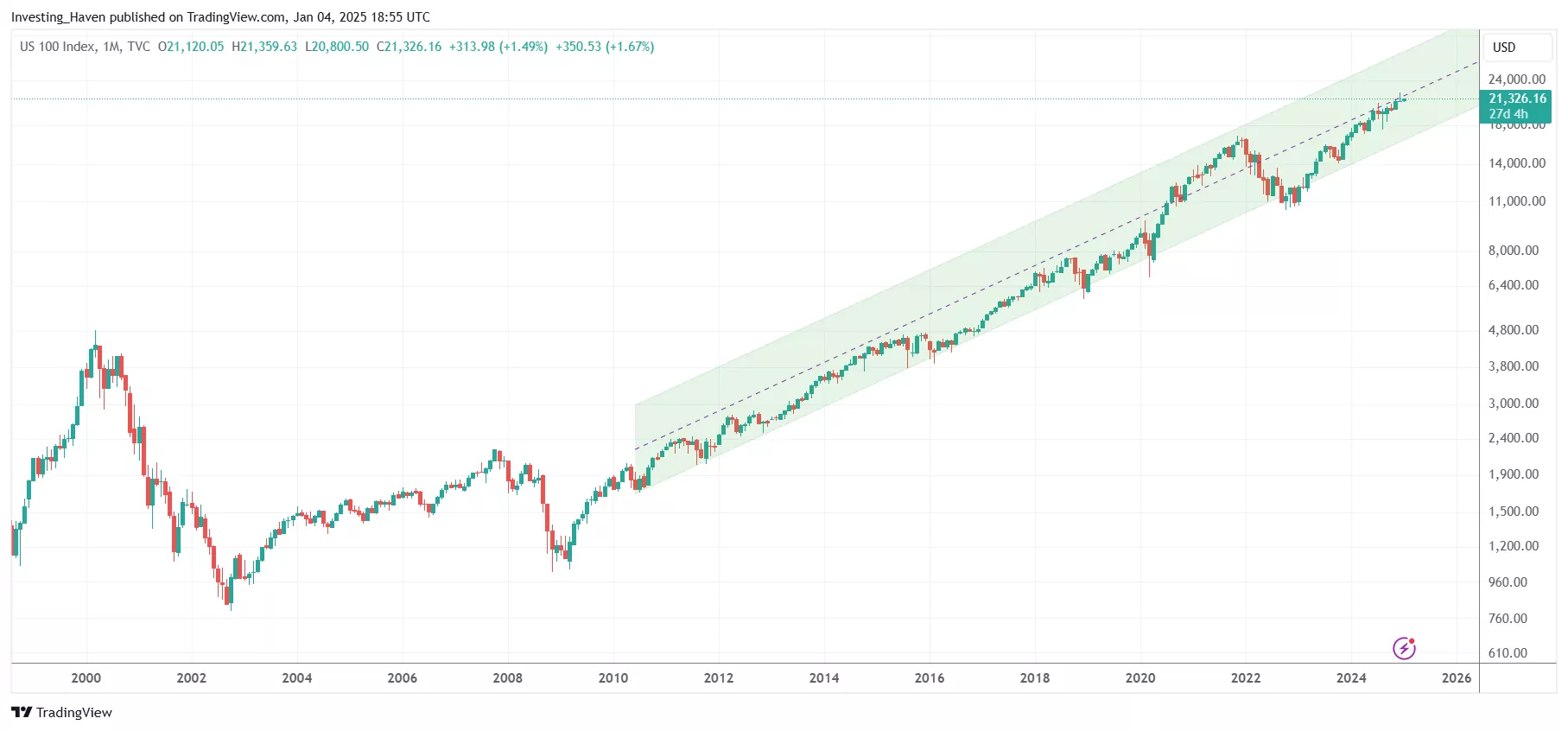
- Stock market volatility
- Credit spreads between corporate and government bonds
- Banking system liquidity
- Housing market activity
Sharp financial instability may lead the Fed to adjust policy more cautiously.
The Federal Open Market Committee Process
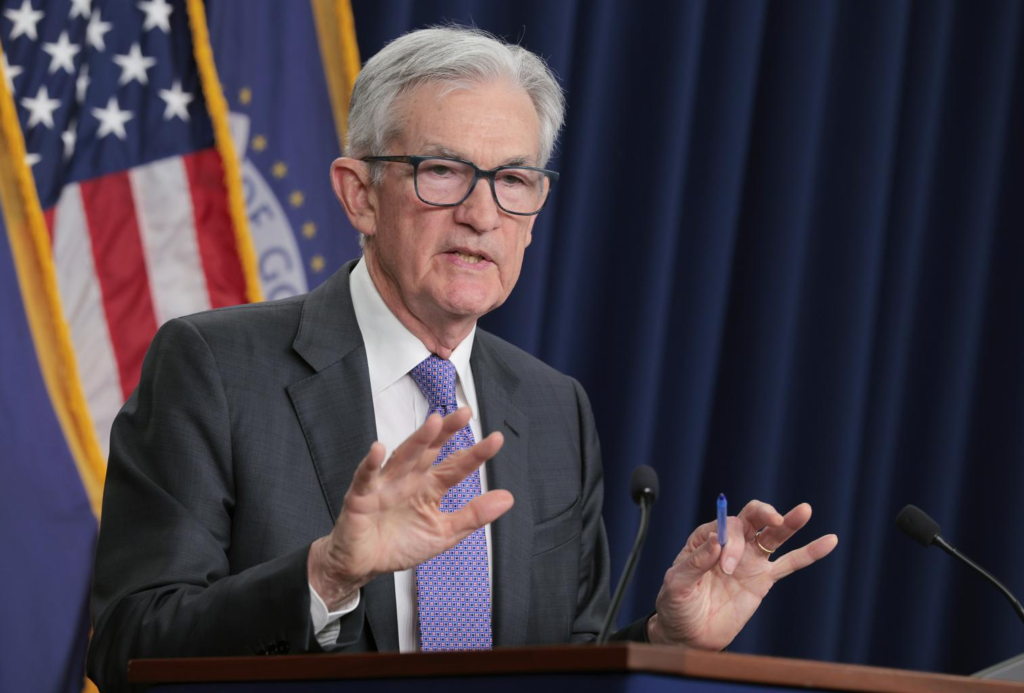
The Fed does not adjust interest rates arbitrarily. Decisions follow a structured process conducted by the Federal Open Market Committee.
The committee consists of:
- The seven members of the Federal Reserve Board of Governors
- The president of the Federal Reserve Bank of New York
- Four rotating presidents from regional Federal Reserve Banks
The committee typically meets eight times per year to assess economic conditions.
During each meeting:
- Economists present detailed economic forecasts.
- Policymakers debate risks to inflation and employment.
- Members vote on whether to raise, lower, or maintain the federal funds rate.
The final decision is announced publicly after the meeting, along with a policy statement explaining the reasoning.
Forward Guidance: How the Fed Communicates Future Plans
Modern monetary policy relies heavily on communication.
Through speeches, press conferences, and official statements, the Fed signals how it expects interest rates to evolve in the future. This strategy is known as forward guidance.
One widely followed communication tool is the “dot plot,” which shows where individual policymakers expect interest rates to be over the next several years.
Forward guidance matters because financial markets often adjust immediately in anticipation of future rate changes. Mortgage rates, for example, may rise or fall even before the Fed formally moves rates.
Real-World Examples of Rate Adjustments
Fighting Inflation: The 2022–2023 Rate Hikes
In response to the highest inflation in four decades, the Fed raised rates rapidly beginning in 2022. The federal funds rate increased from near zero to more than 5% within roughly a year.
These increases made borrowing more expensive, which helped slow demand and reduce inflation pressures.
The impact was visible across the economy:
- Mortgage rates climbed above 7%
- Car loan rates increased
- Business borrowing costs rose
While these changes slowed some economic sectors, they also helped stabilize inflation expectations.
Supporting the Economy: The 2020 Emergency Cuts
During the economic shock caused by the COVID-19 pandemic, the Fed slashed interest rates to near zero.
Lower borrowing costs encouraged lending, helped stabilize financial markets, and supported economic recovery during a period of extreme uncertainty.
How Interest Rate Changes Affect Everyday Finances
When the Fed adjusts rates, the effects filter through the financial system in several ways.
Borrowing Costs
Higher interest rates typically lead to:
- Higher mortgage payments
- More expensive credit card balances
- Increased auto loan costs
- Higher business borrowing expenses
Lower rates generally have the opposite effect, encouraging borrowing and investment.
Savings and Investment Returns
Higher interest rates can benefit savers by increasing yields on:
- Savings accounts
- Certificates of deposit (CDs)
- Money market funds
- Treasury securities
However, higher rates can also create volatility in stock and bond markets.
Housing Market Activity
Mortgage rates often track long-term Treasury yields. When rates rise sharply, home affordability declines and housing demand may slow.
When rates fall, refinancing and home purchases often increase.
The Role of Global Economic Conditions
Although the Fed focuses on the U.S. economy, global developments can influence rate decisions.
Events such as:
- International financial crises
- Energy price shocks
- Global supply chain disruptions
- Currency fluctuations
can affect inflation and economic stability in the United States.
Because the U.S. dollar is the world’s primary reserve currency, changes in Fed policy also influence financial conditions globally.
Frequently Asked Questions
How often does the Federal Reserve change interest rates?
The Fed evaluates rates during each of its eight scheduled Federal Open Market Committee meetings per year. However, changes only occur when economic conditions warrant adjustment.
What interest rate does the Fed actually control?
The Fed targets the federal funds rate, which is the overnight rate banks charge each other for short-term lending.
Why does the Fed raise interest rates?
The Fed raises rates primarily to slow inflation by reducing borrowing and spending in the economy.
Why would the Fed lower interest rates?
Lowering rates encourages borrowing, spending, and investment when economic growth weakens.
How quickly do Fed rate changes affect consumers?
Some impacts occur quickly—credit card rates often adjust within weeks—while others, such as mortgage rates and job markets, may take months to fully reflect changes.
Does the Fed control mortgage rates directly?
No. Mortgage rates are influenced mainly by long-term Treasury yields and market expectations about inflation and economic growth.
Can the Fed prevent recessions?
Not entirely. Monetary policy can influence economic activity, but recessions are affected by many factors beyond interest rates.
What happens if inflation stays high for too long?
The Fed may continue raising rates or keep them elevated until inflation returns closer to its target.
Who decides interest rate changes?
Members of the Federal Open Market Committee vote on policy decisions during scheduled meetings.
Where can Americans track Fed decisions?
Policy statements, economic projections, and meeting minutes are published on the Federal Reserve’s official website.
Understanding the Signals Behind Rate Decisions
Interest rate changes rarely happen suddenly or without warning. Instead, they reflect a careful analysis of inflation trends, employment data, financial conditions, and economic risks.
For Americans watching the economy, understanding these signals can provide valuable insight into where borrowing costs, housing markets, and investment returns may be headed next.
Quick Economic Insight Summary
- The Fed’s dual mandate focuses on employment and stable prices.
- Inflation trends are the most influential driver of rate hikes.
- Labor market strength helps determine whether higher rates are sustainable.
- The Federal Open Market Committee meets eight times annually to review policy.
- Financial markets often react before official rate changes occur.
- Rate increases slow borrowing and spending, while rate cuts encourage growth.