Summary
Strategic saving is more than setting money aside—it’s a deliberate approach to building financial resilience, reducing stress, and creating future opportunity. By aligning savings habits with life goals, risk management, and long-term planning, individuals can strengthen their financial foundation. This guide explains how structured saving works, why it matters, and how Americans can build sustainable saving strategies in everyday life.
Why Strategic Saving Matters More Than Ever
Saving money has always been a core principle of financial stability, but the modern economy has made it even more essential. Rising living costs, unpredictable economic cycles, and longer life expectancies mean that individuals must plan further ahead than previous generations.
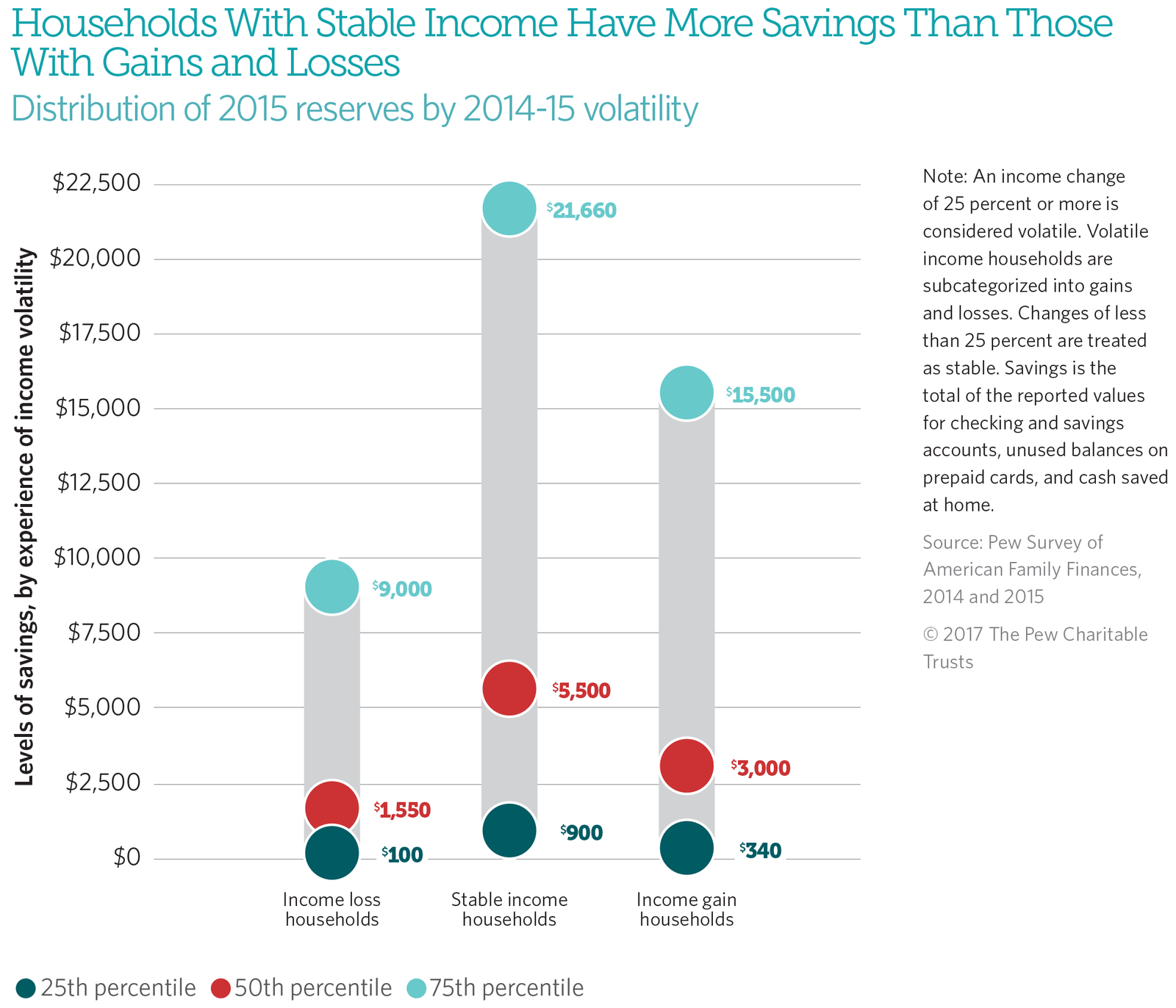
According to the Federal Reserve’s Survey of Household Economics and Decisionmaking, about 37% of Americans would struggle to cover a $400 emergency expense without borrowing or selling something. That statistic illustrates a fundamental truth: many households lack financial buffers.
Strategic saving addresses this challenge by shifting saving from a vague intention to a structured financial practice. Instead of sporadically setting aside money, strategic saving connects savings to:
- clear goals
- risk protection
- long-term wealth building
- lifestyle flexibility
The result is a financial system that supports stability today and opportunity tomorrow.
The Difference Between Saving and Strategic Saving
At first glance, saving money simply means spending less than you earn. While that principle still applies, strategic saving adds structure and purpose.
Traditional saving is often reactive. People save when money happens to be left over. Strategic saving is proactive—it plans where savings will go before spending begins.
For example, consider two households earning similar incomes.
One family occasionally saves leftover funds after paying monthly expenses. Some months they save; other months they don’t.
Another family automatically allocates portions of income into separate savings categories: emergency reserves, retirement, and future purchases.
Over time, the second household typically develops stronger financial resilience because the process is intentional and consistent.
Strategic saving introduces planning, automation, and prioritization into the saving process.
Core Pillars of Strategic Saving
Strategic saving generally rests on several key pillars that support long-term financial health.
1. Emergency Reserves
Emergency savings protect households from unexpected disruptions such as medical bills, car repairs, or temporary job loss.
Financial planners commonly recommend saving three to six months of living expenses, though the ideal amount depends on job stability, family size, and risk tolerance.
Without emergency savings, even small financial shocks can trigger debt accumulation.
2. Goal-Based Savings
Strategic saving recognizes that people save for many reasons, including:
- home purchases
- education expenses
- travel
- business opportunities
- retirement
Creating separate savings categories allows individuals to track progress and maintain motivation.
3. Long-Term Wealth Development
Savings alone rarely generate substantial wealth. Strategic savers eventually transition portions of their savings toward long-term investments such as retirement accounts.
The earlier this transition occurs, the more compound growth can work in their favor.
4. Liquidity Management
Liquidity refers to how quickly funds can be accessed. Strategic saving balances accessibility with long-term growth.
For example:
- Emergency funds should be easily accessible.
- Retirement savings should remain invested for long periods.
Maintaining this balance helps individuals avoid unnecessary financial stress.
How Americans Can Build a Strategic Saving System
Many people believe saving requires large income levels. In reality, the most important factor is structure rather than income size.
Strategic saving typically follows a step-by-step framework.
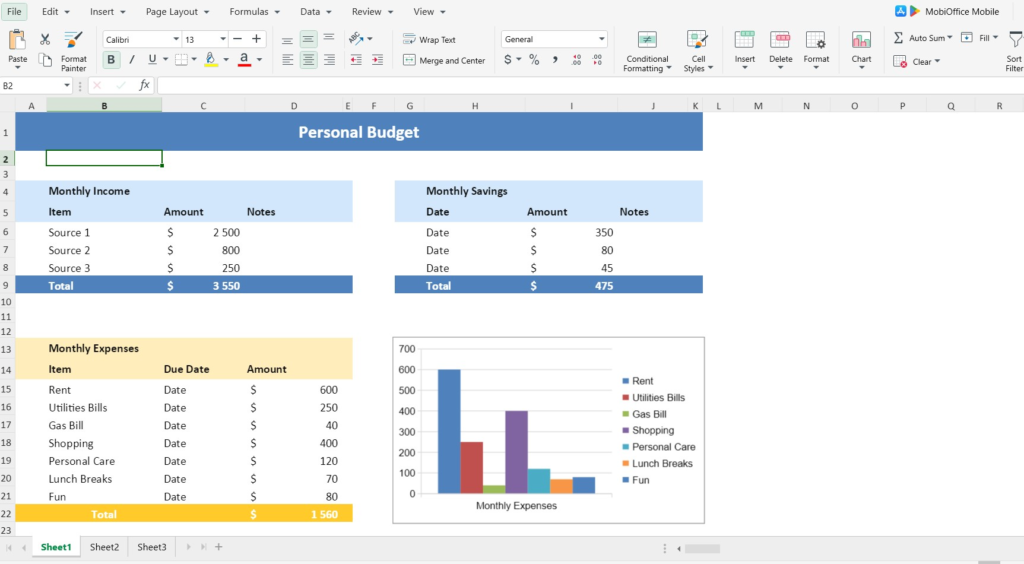
Step 1: Understand Cash Flow
The first step is clarity around income and spending.
Many Americans underestimate everyday expenses. Reviewing bank statements, credit card activity, and recurring subscriptions helps identify where money currently goes.
Once cash flow is clear, it becomes easier to determine realistic saving targets.

Step 2: Start With Small, Consistent Contributions
A common mistake is waiting until large amounts can be saved. Strategic saving prioritizes consistency instead.
Examples include:
- saving $25 per week
- directing 5% of income to savings
- rounding up transactions into savings apps
Small contributions accumulate over time and reinforce saving habits.
Step 3: Automate the Process
Automation removes decision fatigue. When savings occur automatically after each paycheck, the temptation to spend the money decreases.
Many employers allow direct payroll allocations into multiple accounts. Banks and financial apps also support recurring transfers.
Automation is one of the most powerful tools in strategic saving.
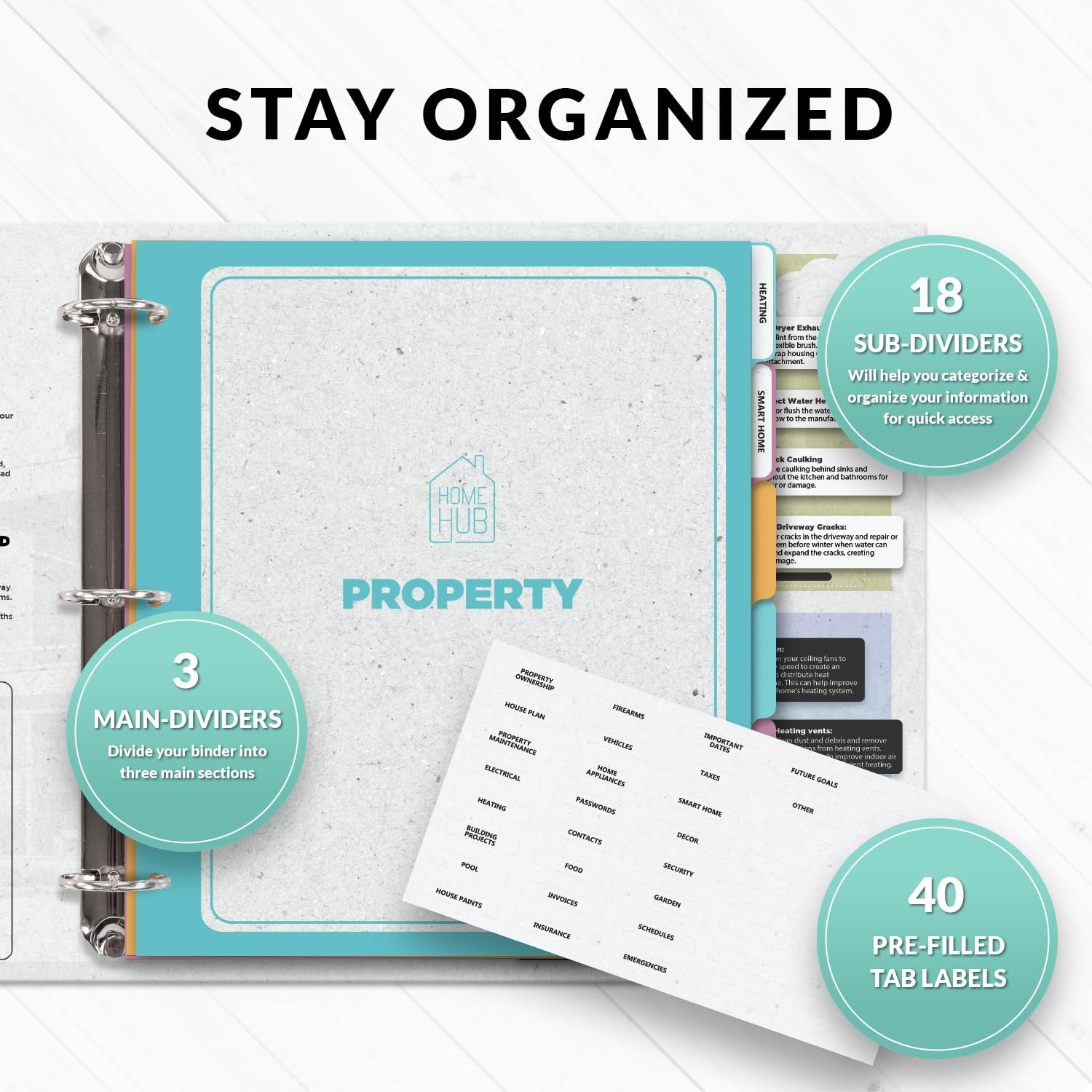
Step 4: Separate Savings Accounts by Purpose
Using separate accounts creates psychological clarity.
For instance:
- Emergency fund account
- Vacation savings account
- Home down payment account
This approach prevents accidental spending and improves goal tracking.
The Psychological Benefits of Strategic Saving
Financial stability isn’t only about numbers—it also affects mental well-being.
When households maintain savings buffers, they often experience:
- reduced financial stress
- increased confidence in decision-making
- greater flexibility in career choices
- improved ability to handle unexpected events
For example, a worker with six months of emergency savings may feel more comfortable negotiating a new job opportunity or taking professional risks.
Without savings, financial pressure can force short-term decisions that limit long-term opportunities.
Strategic saving creates breathing room in financial decision-making.
Strategic Saving Across Different Life Stages
Saving strategies evolve over time as responsibilities change.
Early Career
Individuals early in their careers often focus on:
- establishing emergency funds
- paying down high-interest debt
- beginning retirement contributions
Even small retirement contributions in the early years can grow significantly over time due to compound interest.
Mid-Career
During mid-career years, many households balance multiple financial priorities.
These may include:
- mortgage payments
- children’s education savings
- retirement contributions
- career transitions
Strategic saving becomes especially important during this stage because expenses often peak.
Pre-Retirement
Later career stages typically shift toward wealth preservation and retirement readiness.
Goals may include:
- maximizing retirement accounts
- eliminating remaining debts
- building healthcare reserves
Strategic saving during these years helps reduce financial uncertainty in retirement.
Practical Example: Strategic Saving in Real Life
Consider a household earning $85,000 annually.
Instead of attempting to save irregular amounts, they implement a strategic system:
- 10% of income directed to retirement accounts
- $300 per month toward emergency savings
- $150 per month toward travel
- $200 per month toward home maintenance
Over five years, the household builds:
- a fully funded emergency reserve
- a dedicated home repair fund
- retirement contributions exceeding $50,000 (depending on investment growth)
The key advantage is predictability. Financial goals become measurable and manageable.
Common Mistakes That Undermine Saving Efforts
Even motivated savers can struggle if their strategy lacks structure.
Common pitfalls include:
- Saving without specific goals
- Keeping all funds in a single account
- Ignoring inflation’s impact on long-term savings
- Frequently dipping into emergency funds for non-emergencies
- Delaying retirement savings until later in life
Avoiding these mistakes significantly improves the effectiveness of saving efforts.
Tools That Support Strategic Saving
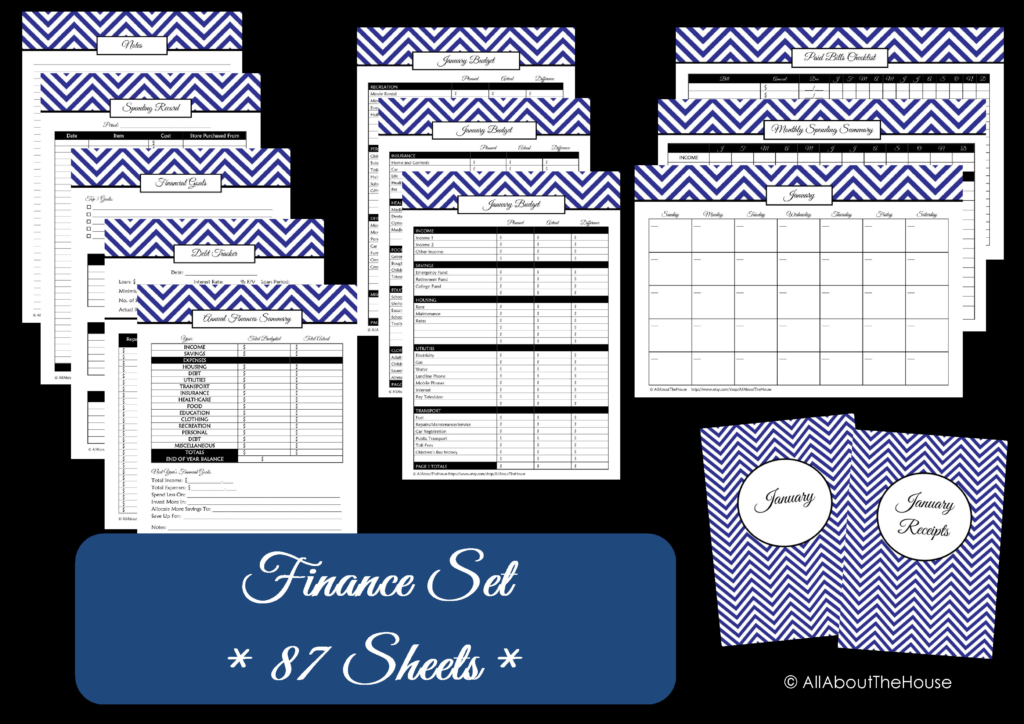
Modern financial tools make structured saving easier than ever.
Examples include:
- High-yield savings accounts that offer better interest rates
- Budgeting apps that track spending patterns
- Automatic savings tools that transfer funds regularly
- Employer-sponsored retirement plans with automatic contributions
These tools help transform saving from a manual effort into an integrated financial system.
Frequently Asked Questions
What is strategic saving?
Strategic saving is a structured approach to setting aside money for specific financial goals, emergencies, and long-term security.
How much should Americans aim to save?
Many financial planners recommend saving 15–20% of income, including retirement contributions, though individual circumstances vary.
How large should an emergency fund be?
Most experts recommend three to six months of living expenses, though freelancers or self-employed individuals may benefit from larger reserves.
Is saving still important if I’m investing?
Yes. Savings provide liquidity and stability, while investments typically focus on long-term growth.
Should savings goals be separated into multiple accounts?
Yes. Separating accounts improves clarity and prevents accidental spending.
What’s the best way to start saving with limited income?
Start small and automate contributions. Even modest savings can grow significantly over time.
How does inflation affect savings?
Inflation reduces purchasing power, which is why long-term savings often transition into investment strategies.
Can strategic saving help reduce debt?
Yes. Building emergency reserves helps prevent reliance on credit during unexpected expenses.
What role does automation play in saving?
Automation ensures consistent saving and removes emotional decision-making from the process.
When should retirement saving begin?
Ideally as early as possible. Starting early allows compound growth to significantly increase long-term retirement funds.
Building Financial Resilience Through Intentional Saving
Strategic saving is less about strict discipline and more about thoughtful structure. When savings are tied to clear goals and supported by automated systems, financial progress becomes more predictable.
Over time, this approach builds resilience. Emergencies become manageable, long-term goals become attainable, and financial decisions become less stressful.
A strong financial foundation doesn’t happen overnight—but strategic saving provides a practical path toward lasting stability.
Key Insights to Remember
- Strategic saving connects savings with specific financial goals.
- Emergency funds provide critical protection against financial shocks.
- Automation is one of the most effective tools for consistent saving.
- Saving strategies should evolve across different life stages.
- Separating savings categories improves clarity and accountability.
- Even small contributions can grow significantly over time.