Tax policy changes often ripple through the economy in ways that affect investment, wages, and long-term growth. As lawmakers revisit expiring provisions and evaluate new incentives, businesses and households alike are watching closely. Understanding how tax rules shape corporate investment decisions, labor markets, and economic expansion helps explain why fiscal policy remains a central focus in today’s economic strategy.
Why Tax Policy Plays a Major Role in Economic Performance
Tax policy is one of the most powerful tools governments use to influence economic activity. By adjusting tax rates, deductions, and credits, policymakers can encourage or discourage certain behaviors—from business investment to consumer spending.
In the United States, these decisions are typically debated in Washington, D.C., particularly within committees such as the United States House Committee on Ways and Means and the United States Senate Committee on Finance.
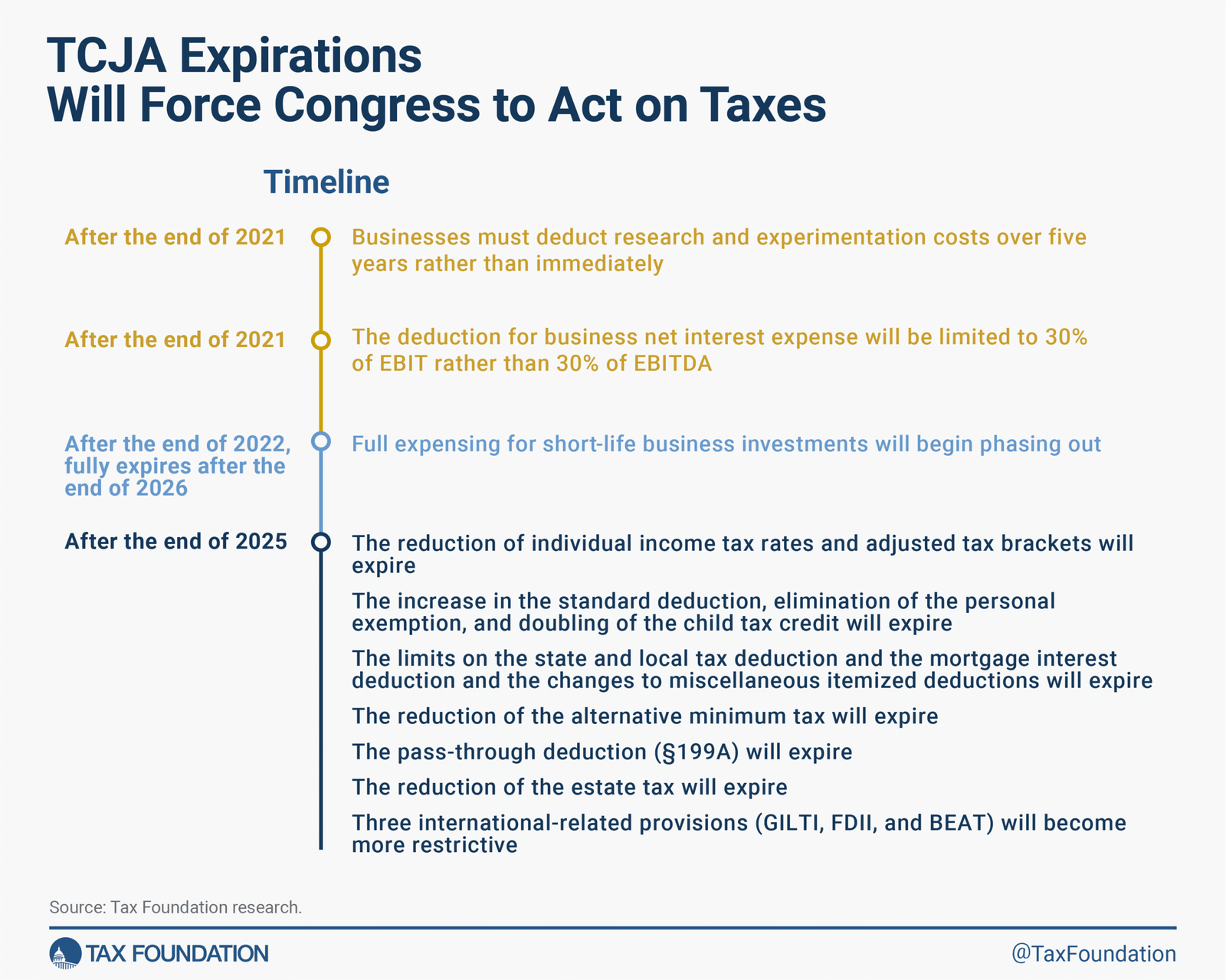
Recent debates have been driven largely by the future of provisions introduced under the Tax Cuts and Jobs Act, many of which are scheduled to expire after 2025.
Because tax policy affects both business decisions and household finances, changes to the tax code can influence the broader economy in several ways:
- Corporate investment decisions
- Worker wages and hiring trends
- Household consumption
- Innovation and productivity
Understanding these relationships helps explain why economists and investors pay close attention to tax legislation.
How Tax Policy Influences Business Investment
Business investment is often one of the first economic indicators affected by tax policy.
When companies decide whether to expand operations, purchase equipment, or invest in research and development, the tax treatment of those investments can significantly influence the outcome.
Several provisions in the Tax Cuts and Jobs Act were designed to encourage business investment. These include lower corporate tax rates and rules allowing faster deductions for capital investments.
Why Investment Incentives Matter
Businesses typically evaluate investments based on expected return after taxes. When tax rates decline or deductions increase, the return on investment often improves.
For example, provisions allowing businesses to deduct equipment purchases immediately—rather than over several years—can accelerate investment decisions.
Common tax incentives that affect investment include:
- Bonus depreciation for equipment purchases
- Research and development tax credits
- Manufacturing investment incentives
- Clean energy tax credits
Supporters argue that such incentives encourage companies to invest domestically, supporting economic growth and job creation.
The Link Between Corporate Taxes and Worker Wages
One of the most debated questions in tax policy is whether corporate tax cuts translate into higher wages for workers.
Some economists argue that lower corporate taxes can lead to increased business investment, which may boost productivity and eventually raise wages.
Others suggest that much of the benefit flows to investors rather than employees.
Research from institutions such as the Congressional Budget Office and the Tax Policy Center indicates that both outcomes may occur depending on economic conditions and industry dynamics.
Example: Manufacturing Expansion
Consider a manufacturing company evaluating whether to open a new production facility.
If tax incentives reduce the cost of investment, the company may move forward with the expansion. This could lead to:
- New hiring
- Increased demand for skilled workers
- Higher wages in competitive labor markets
However, the degree to which workers benefit often depends on broader economic factors such as labor supply and market competition.
Small Businesses and Investment Decisions
Small businesses are especially sensitive to tax policy changes because many operate with limited financial margins.
According to the U.S. Small Business Administration, small businesses account for roughly 99 percent of U.S. firms and employ nearly half of the private workforce.
A major provision affecting small businesses is the Qualified Business Income deduction, which allows many pass-through businesses to deduct up to 20 percent of eligible profits.
Example: A Local Technology Startup
Imagine a technology startup earning $400,000 in annual profit.
Under the current pass-through deduction, the owner could potentially deduct $80,000 from taxable income. This reduction may free additional capital for hiring engineers or investing in product development.
If the deduction expires, the startup may face a higher tax bill, which could influence expansion plans.
Because small businesses drive much of the nation’s job creation, these tax decisions can have significant economic implications.
How Tax Policy Influences Economic Growth
Tax policy can influence economic growth through several channels.
Economists typically evaluate growth effects by analyzing how tax changes alter incentives for investment, work, and innovation.
Lower tax rates may encourage businesses to expand and hire. Higher taxes may generate additional government revenue that funds infrastructure, education, or research programs that also support long-term growth.
The challenge for policymakers is finding a balance between these competing effects.
Key growth channels influenced by tax policy include:
- Business capital investment
- Workforce participation
- Innovation and research
- Household consumption
The overall economic impact depends on how these factors interact.
Federal Revenue and Fiscal Sustainability
While tax policy can stimulate economic activity, it also determines how much revenue the federal government collects.
Government programs—ranging from infrastructure development to healthcare services—depend on tax revenue.
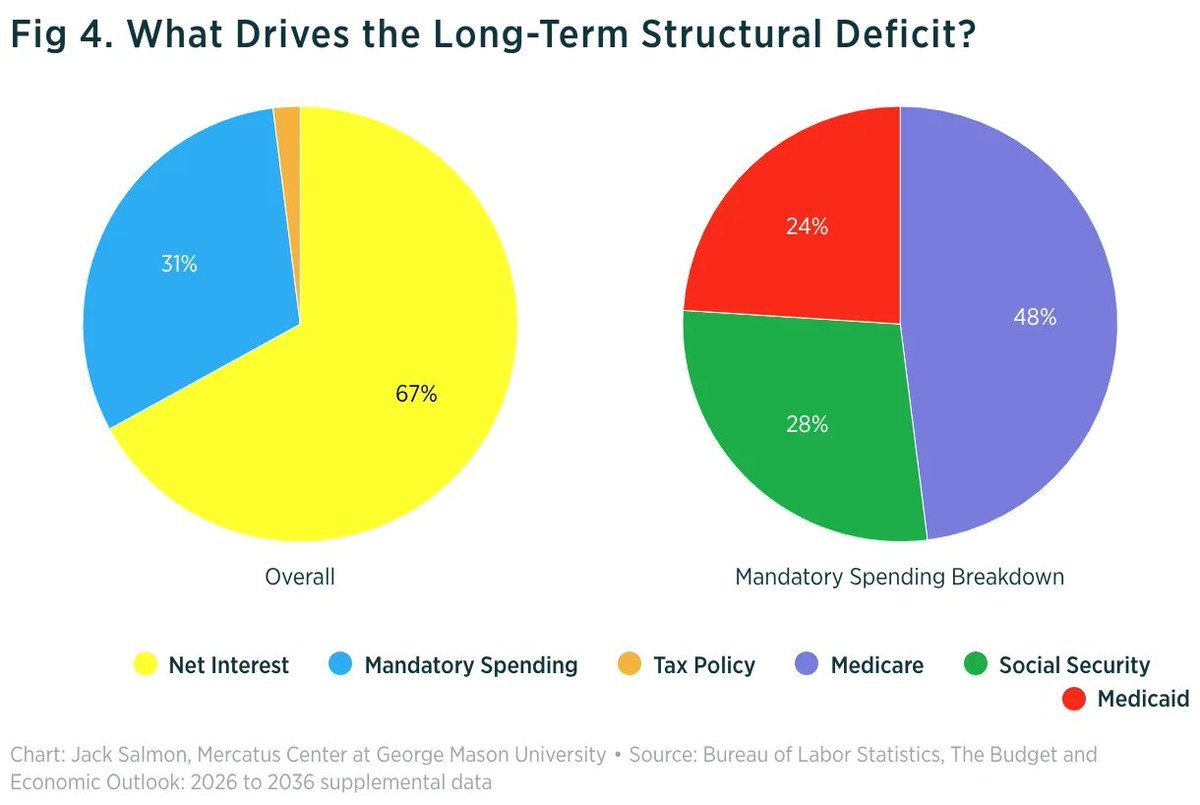
According to projections from the Congressional Budget Office, the United States faces long-term fiscal challenges due to rising healthcare costs, demographic shifts, and interest payments on federal debt.
As a result, policymakers must weigh the economic benefits of tax reductions against the need to maintain sustainable government finances.
Household Spending and Consumer Confidence
Tax policy changes can also influence household behavior.
When households pay lower taxes, they may have more disposable income available for spending, saving, or investing. This increased consumption can contribute to economic growth.
However, the effects vary depending on how tax benefits are distributed.
For example:
- Tax cuts targeted at lower-income households may increase consumer spending quickly
- Tax reductions for higher-income households may result in increased savings or investment
Both outcomes can influence economic activity, but through different channels.
Global Competition and Corporate Tax Policy
Tax policy decisions in the United States are increasingly influenced by global economic competition.
Multinational companies often compare tax environments across countries when deciding where to locate operations or report profits.
Organizations such as the Organisation for Economic Co-operation and Development have been working with governments worldwide to establish frameworks aimed at preventing corporations from shifting profits to low-tax jurisdictions.
These international efforts could shape how U.S. corporate tax policy evolves in the coming years.
Balancing domestic investment incentives with international tax rules is likely to remain a central challenge for policymakers.
How Investors Monitor Tax Policy Changes
Investors pay close attention to tax legislation because it can influence corporate earnings and economic growth.
Tax policy changes can affect:
- Corporate profitability
- Stock market valuations
- Business expansion strategies
- Sector-specific investment trends
For example, tax incentives for clean energy investments may boost activity in renewable energy industries, while manufacturing incentives could stimulate industrial investment.
Because of these connections, financial markets often respond quickly to major tax policy announcements.
Practical Financial Planning During Policy Uncertainty
Tax legislation can take months—or even years—to finalize. During these periods of uncertainty, individuals and businesses often benefit from focusing on long-term financial planning.
Financial professionals frequently recommend:
- Reviewing retirement contributions and tax-advantaged accounts
- Evaluating eligibility for tax credits and deductions annually
- Maintaining accurate financial documentation
- Consulting tax professionals before major financial decisions
- Monitoring policy developments that may affect future planning
These strategies can help taxpayers remain adaptable as policies evolve.
Frequently Asked Questions
1. How do tax changes affect economic growth?
Tax policy influences incentives for investment, hiring, and spending, all of which can affect overall economic growth.
2. Why do corporate taxes matter for wages?
Some economists believe lower corporate taxes encourage investment that increases productivity and wages, though the effect varies by industry.
3. What is the Qualified Business Income deduction?
It is a tax provision allowing eligible pass-through businesses to deduct up to 20 percent of qualified income.
4. What role does the Tax Cuts and Jobs Act play in current debates?
Many of its provisions expire after 2025, prompting lawmakers to reconsider parts of the tax code.
5. Do tax cuts always increase investment?
Not necessarily. Investment decisions also depend on economic conditions, demand, and interest rates.
6. How do tax credits affect household finances?
Credits directly reduce taxes owed and can significantly lower a household’s tax bill.
7. Why are economists studying tax policy changes?
Organizations such as the Congressional Budget Office analyze tax policies to estimate their effects on economic growth and federal revenue.
8. How do international tax policies affect the U.S.?
Global frameworks led by organizations like the Organisation for Economic Co-operation and Development influence how multinational corporations are taxed.
9. Can tax policy influence stock markets?
Yes. Changes affecting corporate earnings or investment incentives may influence market performance.
10. What should taxpayers do during tax policy uncertainty?
Staying informed and working with tax professionals can help individuals adapt to new laws.
The Broader Economic Signals Behind Tax Policy Shifts
Tax policy changes rarely affect just one part of the economy. Instead, they influence a network of financial decisions—from corporate investment strategies to household budgets and government revenue.
As lawmakers evaluate the next phase of tax legislation in Washington, D.C., the challenge will be balancing growth incentives with fiscal sustainability.
For investors, businesses, and households alike, understanding how tax policy shapes economic behavior provides valuable insight into the forces driving investment, wages, and long-term growth.
Economic Signals Worth Watching
- Business investment often responds quickly to tax incentives
- Wage growth may be influenced by productivity and investment levels
- Small business deductions can affect hiring and expansion decisions
- Household tax relief may boost consumer spending
- Global tax competition influences corporate strategy
- Federal revenue considerations shape long-term tax policy