Summary
Income allocation—the way individuals divide their earnings between spending, saving, investing, and protection—plays a major role in long-term financial outcomes. Even moderate changes in how income is distributed can compound over decades. By prioritizing structured saving, disciplined investing, and strategic spending, households can strengthen financial stability and steadily build wealth without relying on unusually high incomes.
Why Income Allocation Matters More Than Many People Realize
When Americans talk about building wealth, the conversation often centers on earning more money. While income growth certainly helps, the way income is allocated—how it is distributed across spending, saving, investing, and protection—often plays a far more decisive role over time.
Two households earning the same salary can experience dramatically different financial outcomes simply because they allocate income differently.
Consider a simplified example:
- Household A earns $85,000 and saves 5% of income.
- Household B earns the same but consistently allocates 20% toward savings and investments.
Over a 30-year period, assuming moderate market returns, Household B may accumulate several hundred thousand dollars more in assets. The difference comes not from income but from allocation discipline.
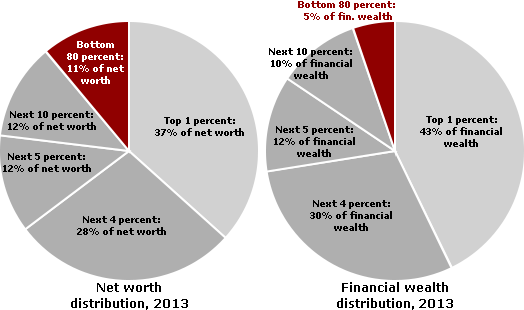
Research from the Federal Reserve Survey of Consumer Finances repeatedly shows that wealth disparities between households with similar incomes often stem from savings rates, investment participation, and debt levels, not just earnings.
Income allocation acts like a financial blueprint. Once established, it guides daily spending decisions and long-term financial direction.
What Exactly Is Income Allocation?
Income allocation refers to the intentional distribution of after-tax income across financial priorities.
Most financial planners categorize income allocation into several core buckets:
- Essential expenses (housing, food, transportation)
- Discretionary spending (entertainment, dining, travel)
- Savings and investments
- Debt repayment
- Insurance and financial protection
A well-structured allocation plan ensures that money is directed toward both present needs and future security.
Without a defined allocation strategy, spending often expands to match income—a phenomenon economists call lifestyle inflation.
Over time, this can quietly limit wealth accumulation.

The Role of Savings Rates in Wealth Outcomes
Among all allocation decisions, the percentage of income saved and invested tends to have the most significant long-term impact.
According to data from the Bureau of Economic Analysis, the average U.S. personal savings rate fluctuates between 3% and 8% depending on economic conditions.
However, many long-term wealth-building frameworks recommend saving 15–20% of income when possible.
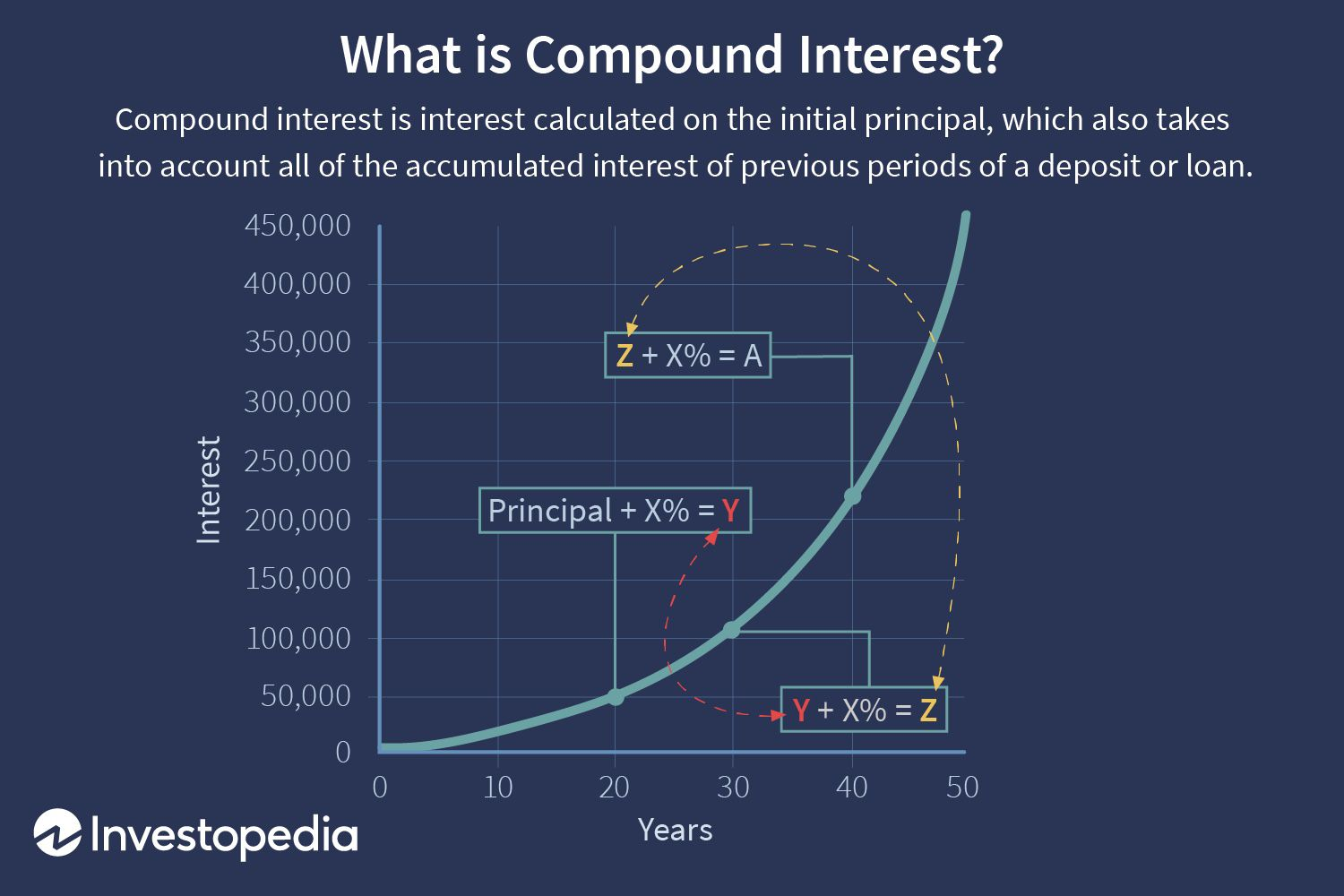
The difference may appear modest in the short term but becomes substantial over decades because of compounding.
For example:
- Saving 5% of a $70,000 salary = $3,500 annually
- Saving 20% of the same salary = $14,000 annually
Over 30 years with consistent investing, the gap in accumulated assets could reach hundreds of thousands of dollars, even with identical salaries.
Savings rates function as the engine of wealth building.
Why Investment Allocation Matters as Much as Saving
Saving alone rarely produces substantial wealth. What matters is where those savings go.
Historically, long-term investments in diversified markets have produced significantly higher returns than holding cash alone.
Data from Morningstar and the S&P Dow Jones Indices indicate that U.S. stock markets have historically delivered average annual returns near 10% before inflation over long periods.
That does not mean markets rise every year. However, consistent participation in diversified investments can allow savings to grow meaningfully over time.
Many American households allocate investment income toward:
- Employer-sponsored retirement plans
- Individual retirement accounts
- Broad market index funds
- Tax-advantaged investment accounts
The key principle is consistent participation rather than market timing.
A Common Income Allocation Framework Many Households Use
One widely discussed budgeting structure is the 50/30/20 framework, popularized by Elizabeth Warren.
It suggests allocating income roughly as follows:
- 50% – Needs
Housing, food, utilities, insurance, transportation. - 30% – Wants
Dining out, entertainment, hobbies, travel. - 20% – Savings and debt reduction
Retirement contributions, investments, emergency funds.
While this framework may not fit every household, it demonstrates an important concept: intentional allocation prevents savings from being overlooked.
Many financial advisors encourage households to automate savings first, then allocate the remaining income toward spending.

The Impact of Debt Allocation on Wealth
Debt payments also represent a major component of income allocation.
In the United States, common obligations include:
- Student loans
- Mortgages
- Auto loans
- Credit cards
According to the Federal Reserve Bank of New York, total household debt in the U.S. exceeds $17 trillion.
When large portions of income go toward high-interest debt, less money remains available for saving and investing.
This is why many financial planners emphasize prioritizing the repayment of high-interest consumer debt, particularly credit cards.
Reducing these obligations effectively frees future income for wealth-building activities.
Real-Life Example: Two Different Allocation Strategies
Consider two mid-career professionals in their 30s.
Scenario 1: High Spending Allocation
Income distribution:
- 70% living expenses
- 20% discretionary spending
- 5% savings
- 5% debt repayment
While comfortable in the present, this structure leaves limited room for investment growth.
Scenario 2: Strategic Allocation
Income distribution:
- 55% living expenses
- 15% discretionary spending
- 20% investing
- 10% debt repayment
Over a 25-year period, the second structure allows significantly greater asset accumulation, even without income increases.
Small shifts in allocation—such as reducing discretionary spending by 5–10%—can redirect thousands of dollars annually toward wealth-building assets.
Automation: A Quiet but Powerful Allocation Tool
One of the most effective ways to maintain disciplined income allocation is automation.
When savings and investments occur automatically, households are less likely to divert funds toward impulse spending.
Common automation strategies include:
- Automatic transfers to investment accounts
- Direct payroll retirement contributions
- Scheduled savings deposits
- Automatic debt payments
Many Americans use retirement plans like 401(k) accounts or Roth IRA contributions that deduct funds before spending occurs.
This “pay yourself first” model helps maintain consistent allocation even during busy or financially stressful periods.
Income Allocation and Economic Cycles
Income allocation strategies often evolve as economic conditions change.
During periods of high inflation or economic uncertainty, households may shift allocations toward:
- Larger emergency funds
- Reduced discretionary spending
- Increased debt reduction
During stronger economic periods, households may allocate more income toward investments and long-term assets.
Flexibility in allocation can help maintain stability across different financial environments.
How Income Growth Should Change Allocation
When income rises, households face an important decision: increase spending or increase investing.
Lifestyle improvements are natural, but allocating a portion of raises toward investments can dramatically accelerate wealth building.
A practical approach many advisors suggest is:
- Allocate 50% of raises toward future goals
- Use the remaining 50% for lifestyle improvements
This approach allows individuals to enjoy higher income while still strengthening their long-term financial position.
Questions Many Americans Ask About Income Allocation
How much income should be invested for long-term wealth?
Many financial professionals recommend investing 15–20% of gross income when feasible, though even smaller consistent contributions can make a meaningful difference.
Is budgeting necessary for wealth building?
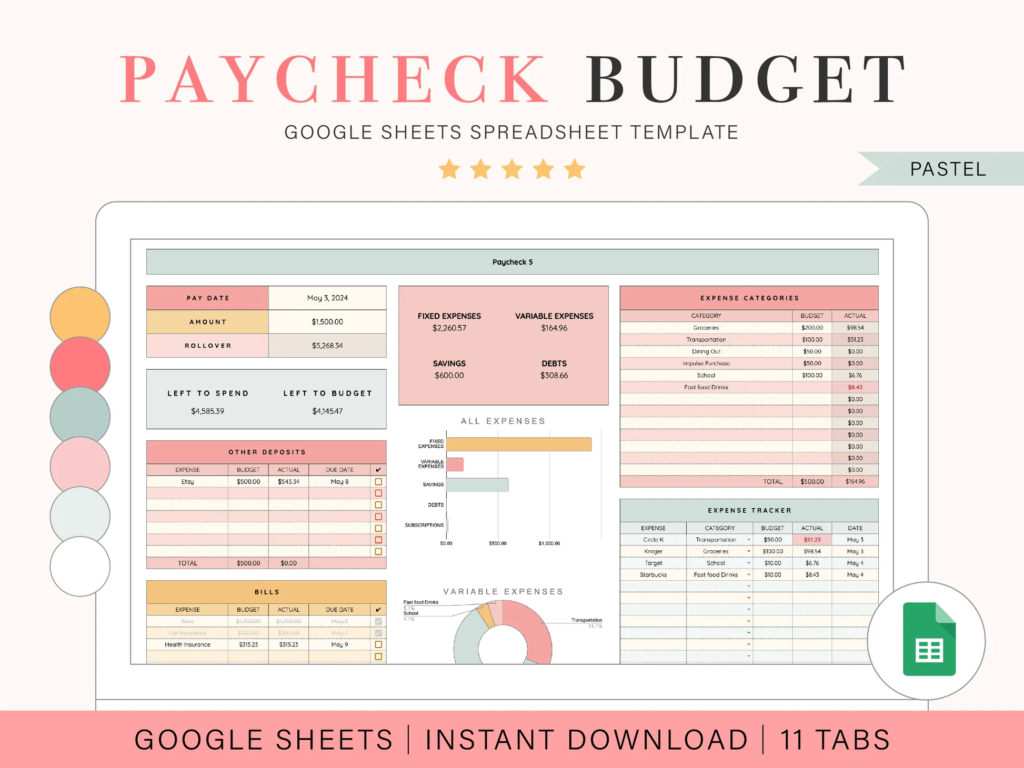
Structured budgeting helps maintain intentional income allocation, ensuring that savings and investments remain consistent priorities.
What happens if income allocation isn’t planned?
Without a plan, spending often expands naturally, leaving little room for saving or investing.
Should emergency savings be part of income allocation?
Yes. Financial planners often recommend building an emergency fund covering 3–6 months of expenses.
Does income level determine wealth outcomes?
Income helps, but allocation patterns often play an equally significant role.
How often should allocation plans be reviewed?
Most advisors suggest reviewing financial allocations once or twice per year.
Is investing more important than saving?
Both are essential. Saving creates capital; investing allows that capital to grow.
What percentage of income goes toward housing?
Many guidelines suggest keeping housing costs near 25–30% of income.
Can small income allocations really matter?
Yes. Consistent contributions benefit from compounding over time.
What is the biggest mistake in income allocation?
Allowing lifestyle spending to increase without increasing savings.
The Long-Term Advantage of Intentional Allocation
Income allocation may seem like a simple budgeting exercise, but over decades it shapes financial outcomes in powerful ways.
Households that treat allocation as a long-term financial strategy rather than a short-term budgeting tool often find that wealth accumulates gradually and sustainably.
Rather than relying on extraordinary income, they rely on consistent financial structure.
Over time, structure tends to outperform improvisation.
Designing an Income Blueprint for the Future
Long-term wealth rarely appears suddenly. It typically develops through thousands of small financial decisions made consistently over time.
Income allocation transforms those decisions into a clear structure. By directing income toward savings, investments, protection, and responsible spending, households create a financial system capable of supporting both present needs and future opportunities.
The most effective allocation plans are not complicated—they are simply consistent.
Key Insights at a Glance
- Income allocation determines how effectively earnings translate into wealth.
- Higher savings and investment rates significantly influence long-term outcomes.
- Strategic debt management frees income for future growth.
- Automation can help maintain consistent allocation habits.
- Lifestyle inflation often reduces long-term wealth potential.
- Even moderate income levels can build meaningful assets with disciplined allocation.