Summary
Financial discipline is one of the most consistent drivers of long-term wealth. While income levels vary widely, the ability to save consistently, manage debt responsibly, invest regularly, and avoid impulsive financial decisions can significantly influence lifetime net worth. Over decades, disciplined financial habits—rather than short-term wins—often determine whether households achieve lasting financial stability and independence.
Why Financial Discipline Matters More Than Income
Many Americans assume that wealth is primarily determined by income. While earnings certainly play a role, research suggests that behavior often matters just as much as income level.
According to the Federal Reserve’s Survey of Consumer Finances, many high-net-worth households achieved financial security through consistent saving and investing over long periods, not sudden windfalls.
Financial discipline acts as a framework for managing money intentionally. It influences:
- Spending decisions
- Saving behavior
- Investment consistency
- Debt management
- Long-term planning
A household earning $75,000 with strong financial habits may build more wealth over 30 years than a household earning $150,000 with inconsistent money management.
Over time, small disciplined decisions accumulate into large financial outcomes.
The Long-Term Power of Consistency
Financial discipline works primarily because of time and consistency.
When disciplined habits are practiced over decades, the impact compounds.
Consider a common scenario:
If someone invests $500 per month starting at age 30, assuming a 7% average annual return, that account could grow to around $610,000 by age 65.
But the key factor is not the return itself—it’s the discipline of investing every month for 35 years.
Disciplined investors typically focus on:
- Regular contributions
- Long-term strategies
- Avoiding reactionary decisions during market volatility
Markets inevitably fluctuate. However, individuals who maintain consistent investing habits tend to capture long-term growth more effectively than those who frequently adjust their strategies.

How Financial Discipline Shapes Daily Decisions
Financial discipline is rarely about extreme frugality. Instead, it often involves structured decision-making.
Disciplined households typically follow predictable systems for managing money.
Common examples include:
- Automatically saving a portion of every paycheck
- Maintaining a budget or spending plan
- Reviewing finances monthly
- Avoiding unnecessary high-interest debt
- Investing consistently regardless of market headlines
These habits reduce emotional decision-making.
Instead of reacting impulsively to short-term circumstances, disciplined individuals rely on systems that guide their financial behavior.
Over time, systems reduce stress and improve financial outcomes.
The Role of Budgeting in Long-Term Wealth
Budgeting remains one of the most effective tools for building financial discipline.
A budget does not restrict spending—it simply directs money toward priorities.
Many financial planners encourage a simple framework such as the 50/30/20 rule:
- 50% for essential expenses
- 30% for lifestyle spending
- 20% for savings and investments
While every household’s structure differs, the core principle remains the same: intentional allocation of income.
People who track their spending often gain greater awareness of financial habits.
Common benefits include:
- Identifying unnecessary expenses
- Increasing savings capacity
- Reducing financial stress
- Improving long-term planning
Budgeting also helps households avoid lifestyle inflation as income grows.
Debt Discipline and Its Long-Term Impact
Debt can either support or hinder wealth building depending on how it is managed.
Mortgages and student loans are often considered productive debt, as they can contribute to long-term earning potential or asset ownership.
However, high-interest consumer debt can significantly slow wealth accumulation.
According to the Federal Reserve Bank of New York, the average credit card interest rate in the U.S. often exceeds 20% annually.
This means carrying large balances can erode financial progress quickly.
Disciplined debt management usually includes:
- Paying credit cards in full whenever possible
- Prioritizing high-interest debt repayment
- Avoiding unnecessary borrowing
- Maintaining a strong credit score
Reducing interest costs frees up more income for savings and investing.

The Psychology Behind Financial Discipline
Financial discipline is not purely mathematical—it is also behavioral.
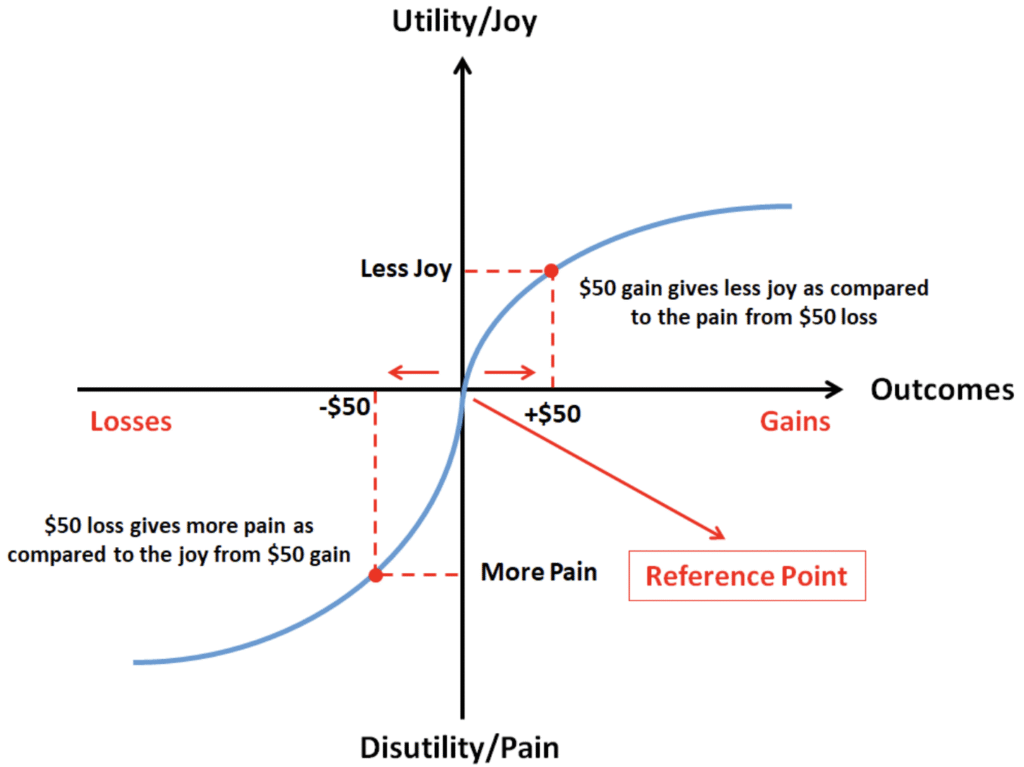
Research in behavioral economics shows that people often struggle with present bias, the tendency to prioritize immediate rewards over future benefits.
This explains why:
- Saving for retirement can feel difficult
- Impulse purchases are common
- Long-term planning is often delayed
Disciplined individuals address this challenge by creating structures that remove temptation.
Examples include:
- Automatic investment contributions
- Separate savings accounts
- Delayed purchasing decisions
- Clear financial goals
By reducing the number of daily financial decisions required, systems make disciplined behavior easier to maintain.
How Early Financial Discipline Changes Lifetime Outcomes
Starting disciplined habits early dramatically changes financial trajectories.
A commonly cited example involves retirement investing.
If someone invests $400 per month starting at age 25, they could potentially accumulate over $1 million by retirement, assuming long-term market averages.
If the same person waits until age 40 to begin, the final amount could be less than half that total, even if monthly contributions increase.
This illustrates the importance of:
- Starting early
- Maintaining consistency
- Avoiding long interruptions in saving or investing
Time amplifies disciplined financial habits.
Practical Examples of Financial Discipline in Everyday Life
Financial discipline often appears in ordinary routines rather than dramatic actions.
Examples seen among financially stable households include:
- Increasing retirement contributions when income rises
- Maintaining emergency savings covering 3–6 months of expenses
- Reviewing investment allocations annually
- Avoiding frequent trading based on news headlines
- Living slightly below one’s means
These behaviors may seem simple, but when practiced for decades they produce meaningful results.
Many financially secure individuals describe wealth building as a series of steady decisions rather than a single breakthrough strategy.
How Technology Helps Build Financial Discipline
Modern financial tools have made disciplined money management easier.
Many Americans now rely on digital tools that automate financial habits.
Common examples include:
- Automated investment platforms
- Budgeting apps that categorize spending
- Automatic bill payments
- Retirement account auto-contributions
Automation reduces the risk of forgetting important financial tasks.
It also removes emotional barriers to saving and investing.
For many households, automated systems provide the structure needed to maintain discipline over time.
When Financial Discipline Becomes a Lifelong Advantage
Over decades, disciplined financial behavior creates momentum.
As investments grow and debts decline, individuals often experience greater financial flexibility.
Benefits may include:
- Earlier retirement options
- Increased career freedom
- Reduced financial stress
- Ability to support family goals such as education or homeownership
Importantly, disciplined habits continue to matter even after wealth is built.
Wealth preservation often requires the same principles that created it.

Frequently Asked Questions
What is financial discipline?
Financial discipline refers to the consistent practice of managing money responsibly through budgeting, saving, investing, and avoiding unnecessary debt.
Can financial discipline really make someone wealthy?
While it cannot guarantee wealth, disciplined financial habits significantly improve the likelihood of long-term financial security and strong net worth growth.
How can someone develop financial discipline?
Common methods include creating a budget, automating savings, setting clear financial goals, tracking spending, and reviewing finances regularly.
Is financial discipline more important than income?
Both matter, but many financial experts emphasize that behavior and consistency often determine long-term wealth outcomes more than income alone.
What are examples of disciplined financial habits?
Examples include saving consistently, investing regularly, avoiding high-interest debt, maintaining emergency savings, and planning for retirement early.
Why do many people struggle with financial discipline?
Psychological factors such as present bias, lifestyle inflation, and lack of financial education can make disciplined financial behavior difficult.
How early should someone start building financial discipline?
Ideally as early as possible. Habits developed in one’s 20s can significantly influence financial outcomes over a lifetime.
Does budgeting limit lifestyle freedom?
Not necessarily. Many people find that budgeting actually increases freedom by ensuring money is aligned with personal priorities.
What role does investing play in financial discipline?
Investing allows disciplined savers to grow their money over time through compounding returns, which is essential for long-term wealth building.
Can financial discipline reduce financial stress?
Yes. Structured financial habits often improve financial clarity and reduce uncertainty, which can lower stress levels.
A Lifetime of Steady Financial Choices
Financial discipline rarely produces dramatic results overnight. Its true impact becomes visible over decades.
Consistent saving, responsible debt management, thoughtful investing, and intentional spending can gradually transform financial outcomes. Individuals who build strong financial systems often find that wealth emerges as a by-product of disciplined behavior, not sudden opportunity.
For many households, long-term financial stability is simply the result of thousands of small, intentional financial decisions made over a lifetime.
Key Insights at a Glance
- Financial discipline shapes long-term wealth more than short-term gains
- Consistency and time are the strongest drivers of financial growth
- Budgeting and cash-flow awareness support stronger financial habits
- Responsible debt management protects long-term financial progress
- Automation can strengthen disciplined financial systems
- Early financial habits dramatically influence lifetime outcomes