Summary
Federal Reserve policy decisions play a central role in determining how much Americans pay to borrow money. By adjusting interest rates and influencing financial conditions, the Fed indirectly affects credit cards, mortgages, auto loans, and business financing. Understanding how these policies work helps consumers, investors, and business owners make better financial decisions in changing economic environments.
Understanding the Federal Reserve’s Role in Credit Costs
The Federal Reserve, the United States’ central bank, does not directly set the interest rates on most consumer loans. Instead, it shapes the financial environment that determines how expensive borrowing becomes across the economy.
Through monetary policy, the Federal Reserve primarily targets the federal funds rate—the interest rate banks charge one another for overnight lending. Although this rate applies to banks rather than consumers, it acts as a benchmark that influences nearly every other borrowing cost in the financial system.
When the Federal Reserve raises or lowers this key rate, financial institutions adjust their own lending rates accordingly. Over time, these changes filter down to mortgages, auto loans, credit cards, and business financing.
The Fed’s policy decisions are guided by what economists call the dual mandate, established by Congress:
- Maintaining price stability (keeping inflation under control)
- Supporting maximum employment
Balancing these goals requires constant monitoring of economic conditions, including inflation trends, wage growth, unemployment, and global economic developments.
Why Interest Rates Matter for Borrowing
Interest rates represent the price of borrowing money. When rates rise, borrowing becomes more expensive. When rates fall, borrowing becomes cheaper.
The Federal Reserve uses interest rates as a tool to influence economic activity:
- Higher interest rates generally slow economic growth by discouraging borrowing and spending.
- Lower interest rates encourage borrowing, investment, and consumer spending.
For households and businesses, even modest changes in rates can have meaningful financial consequences.
For example, a one-percentage-point increase in mortgage rates can raise monthly payments significantly on a typical home loan. Similarly, rising rates can make carrying credit card balances more costly or increase the interest expenses businesses face when financing expansion.
How Federal Reserve Rate Decisions Spread Through the Economy
Federal Reserve policy does not instantly change consumer borrowing costs. Instead, the impact spreads through several channels.
1. The Banking System
Commercial banks rely on short-term funding markets influenced by the federal funds rate. When this rate rises, banks’ own borrowing costs increase. To maintain profitability, they typically raise the rates they charge consumers and businesses.
2. The Prime Rate
Most banks base their lending rates on the prime rate, which closely tracks the federal funds rate. When the Fed raises rates, the prime rate often moves almost immediately.
The prime rate directly affects:
- Credit card interest rates
- Home equity lines of credit (HELOCs)
- Some personal loans
- Small business credit lines
Because many of these products use variable interest rates, consumers can see their borrowing costs rise within weeks of a Federal Reserve policy change.
3. Financial Markets and Treasury Yields
Longer-term interest rates—such as mortgage rates—are more closely tied to U.S. Treasury yields, particularly the 10-year Treasury note.
Treasury yields respond to:
- Federal Reserve policy expectations
- Inflation forecasts
- Global economic conditions
When investors expect the Fed to maintain higher rates for longer, Treasury yields often rise, which tends to push mortgage rates higher as well.
How Different Types of Credit Respond to Federal Reserve Policy
Not all forms of credit respond to Federal Reserve policy in the same way. Some adjust almost immediately, while others move more gradually.
Credit Cards
Credit cards are among the most sensitive forms of borrowing to Fed policy.
Most cards have variable interest rates tied to the prime rate, meaning:
- Rate hikes by the Fed can quickly raise credit card APRs.
- Rate cuts can gradually reduce interest charges.
According to Federal Reserve data, the average credit card APR in the U.S. has exceeded 20% in recent years, reflecting both higher benchmark rates and increased lending risk.
For consumers carrying balances, even small increases in APR can add hundreds of dollars in annual interest costs.
Mortgages
Mortgage rates are influenced less directly by Fed policy but still respond strongly to it.
Factors affecting mortgage rates include:
- Treasury bond yields
- Inflation expectations
- Housing market conditions
- Investor demand for mortgage-backed securities
When the Fed raises rates aggressively to control inflation, mortgage rates typically rise as well, though not always in perfect sync.
This dynamic has significant effects on housing affordability and homebuying activity.
Auto Loans
Auto loans generally fall somewhere between credit cards and mortgages in terms of responsiveness.
Interest rates for car loans depend on:
- Bank funding costs
- Consumer credit risk
- Competition among lenders
When the Fed tightens policy, auto loan rates often rise gradually as lenders adjust their pricing models.
Small Business Loans
Small businesses are particularly sensitive to credit conditions.
Many small business loans are tied to variable benchmarks such as the prime rate or short-term Treasury yields. When these benchmarks increase, businesses face higher financing costs for:
- Equipment purchases
- Inventory financing
- Expansion plans
- Working capital
Higher borrowing costs can influence hiring decisions, investment strategies, and overall business growth.
The Federal Reserve’s Policy Tools Beyond Interest Rates
While interest rate adjustments receive the most attention, the Federal Reserve has additional tools that can influence credit conditions.
Balance Sheet Policy
The Fed holds large quantities of U.S. Treasury securities and mortgage-backed securities. By expanding or shrinking its balance sheet, the Fed can influence liquidity in financial markets.
Examples include:
- Quantitative easing (QE): Buying securities to lower long-term interest rates.
- Quantitative tightening (QT): Allowing securities to mature, reducing liquidity.
These policies can affect mortgage rates, corporate borrowing costs, and broader financial conditions.
Forward Guidance
The Federal Reserve also shapes expectations through its communications.
Statements from the Federal Open Market Committee (FOMC), press conferences, and economic projections help investors anticipate future policy decisions.
These expectations often move financial markets even before policy changes occur.
Real-World Example: How a Rate Hike Affects Household Borrowing
Consider a household carrying a $8,000 credit card balance at a variable interest rate tied to the prime rate.
If the Federal Reserve raises rates by 0.75 percentage points and lenders adjust credit card APRs accordingly:
- Annual interest costs could increase by roughly $60 to $80 depending on the card’s rate structure.
For mortgages, the impact can be even larger.
A homebuyer taking out a $350,000 mortgage may see monthly payments increase by several hundred dollars if mortgage rates rise by a full percentage point.
These examples illustrate how central bank decisions can influence everyday financial realities for millions of Americans.
Why the Federal Reserve Raises or Lowers Rates
Federal Reserve rate changes are typically responses to shifts in the broader economy.
Common triggers for policy adjustments include:
- Rising inflation
- Economic slowdowns
- Labor market changes
- Financial market stress
- Global economic shocks
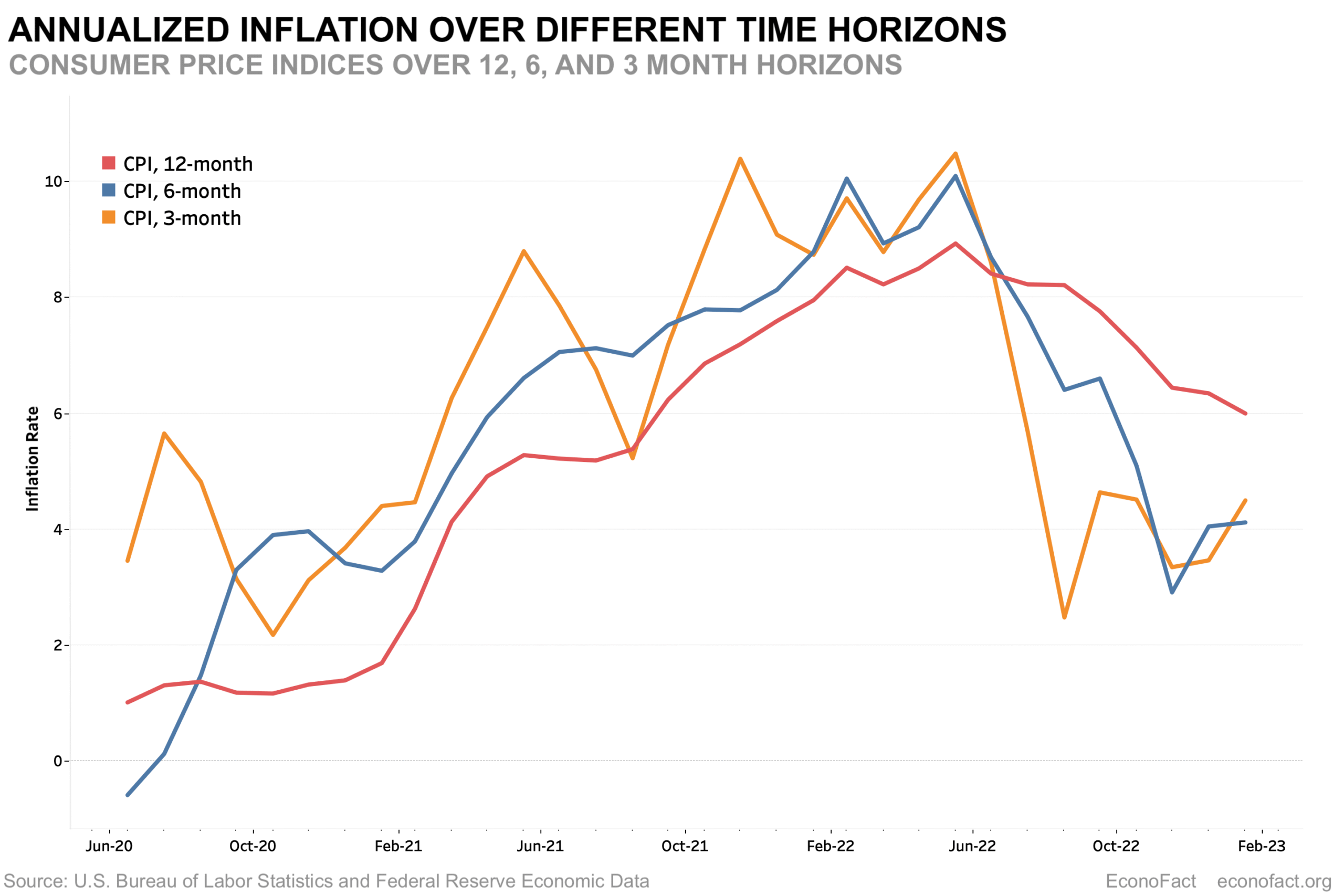
When inflation rises above the Fed’s target—currently around 2% annually—policymakers may raise rates to slow spending and stabilize prices.
Conversely, during recessions or financial crises, the Fed may lower rates to encourage borrowing and economic activity.
What Consumers Can Do When Interest Rates Change
Federal Reserve policy decisions are outside individual control, but consumers can take steps to manage their finances in changing credit environments.
Consider the following strategies:
- Pay down high-interest debt first, particularly credit card balances.
- Lock in fixed-rate loans when rates are relatively low.
- Refinance existing debt if market rates fall significantly.
- Maintain strong credit scores, which help secure lower borrowing costs.
- Avoid overextending credit during periods of rising rates.
These actions can reduce financial pressure even when borrowing conditions become more expensive.

Frequently Asked Questions
1. Does the Federal Reserve set mortgage rates directly?
No. Mortgage rates are primarily influenced by Treasury yields, inflation expectations, and investor demand. However, Federal Reserve policy affects these factors and therefore indirectly influences mortgage rates.
2. How quickly do Fed rate changes affect credit cards?
Credit card rates often adjust within one or two billing cycles after changes in the federal funds rate because many cards are tied to the prime rate.
3. Why do interest rates rise when inflation increases?
Higher interest rates make borrowing more expensive, which tends to reduce spending and investment. This helps slow price increases and stabilize inflation.
4. What is the federal funds rate?
The federal funds rate is the interest rate banks charge each other for overnight loans of reserve balances. It serves as a key benchmark for many other interest rates in the economy.
5. Do Fed rate cuts always lower borrowing costs immediately?
Not always. Market expectations, inflation trends, and financial conditions can influence whether consumer borrowing rates fall quickly or gradually.
6. How do Fed policies affect student loans?
Federal student loan rates are set by Congress and tied to Treasury yields. Federal Reserve policy can influence those yields indirectly.
7. Why do banks raise loan rates after Fed rate hikes?
When the Fed raises rates, banks’ own funding costs rise. To maintain margins, they increase the interest rates they charge borrowers.
8. Can Fed policy affect credit availability?
Yes. Tighter monetary policy can make lenders more cautious, which may reduce the availability of credit in addition to raising borrowing costs.
9. What role does inflation play in Fed decisions?
Inflation is one of the primary indicators guiding Fed policy. Persistent inflation often leads to higher interest rates.
10. How often does the Federal Reserve change interest rates?
The Federal Open Market Committee meets roughly eight times per year to assess economic conditions and determine whether policy adjustments are necessary.
How Monetary Policy Shapes Everyday Borrowing Decisions
Federal Reserve policy decisions ripple through the financial system in ways that influence nearly every type of borrowing Americans encounter. From credit card APRs to mortgage payments and small business financing, the cost of credit reflects a complex interaction between central bank policy, financial markets, and lender behavior.
For consumers and businesses alike, understanding these connections provides valuable context when making financial decisions. While individuals cannot control monetary policy, recognizing how it affects credit costs can help households plan borrowing, manage debt, and navigate shifting economic conditions more confidently.
Key Insights at a Glance
- Federal Reserve policy primarily influences borrowing costs through the federal funds rate.
- Credit cards and variable-rate loans respond quickly to Fed rate changes.
- Mortgage rates move more gradually and depend heavily on Treasury yields.
- Higher interest rates generally discourage borrowing and slow economic activity.
- Consumers can mitigate rising borrowing costs through debt management and fixed-rate financing.