Tax policy debates in Washington are intensifying as lawmakers revisit corporate tax rates, business deductions, and targeted tax credits. With several provisions from the Tax Cuts and Jobs Act approaching expiration and fiscal pressures increasing, policymakers are evaluating reforms that could influence business investment, household finances, and federal revenue for years to come.
Why Tax Policy Is Back at the Center of Washington Debates
Tax policy discussions tend to accelerate when major provisions are scheduled to expire or when fiscal conditions require adjustments. Both factors are currently shaping the policy agenda in Washington.
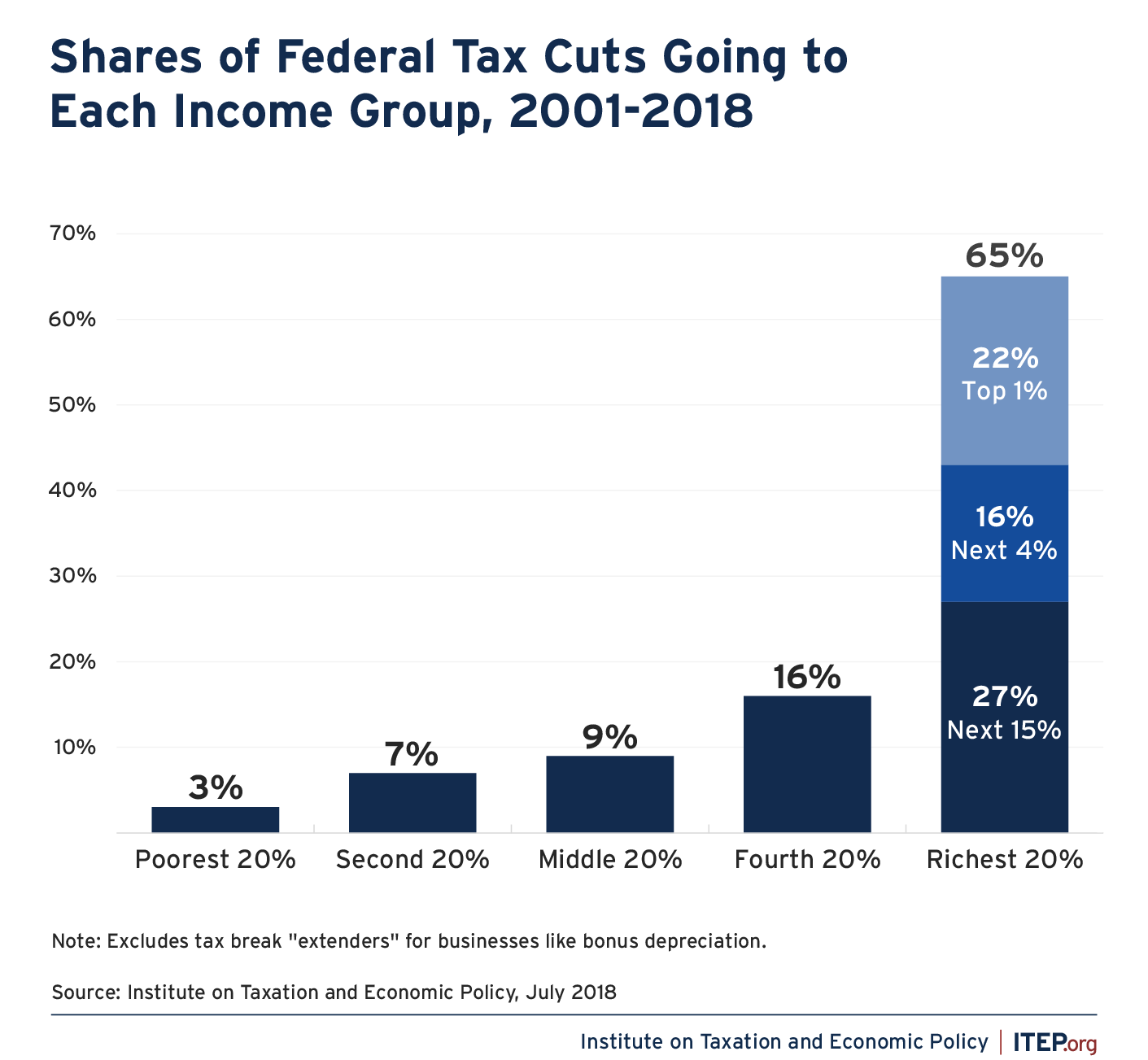
Many elements of the Tax Cuts and Jobs Act — including individual tax brackets and deductions for certain business income — are scheduled to sunset within the next few years. This creates pressure for lawmakers to either extend, modify, or replace those provisions.
At the same time, projections published by the Congressional Budget Office suggest that federal debt could continue rising relative to the size of the economy in coming decades. This fiscal backdrop is prompting policymakers to consider how tax policy can maintain economic incentives while also generating reliable revenue.
As a result, discussions in Washington now span a wide range of topics—from corporate tax rates to targeted credits designed to encourage investment in specific industries.
For households, entrepreneurs, and investors, understanding these debates can provide insight into how future tax policy may evolve.
Corporate Tax Rates Remain a Key Focus
Corporate taxation continues to be one of the most closely watched areas of fiscal reform.
Before the 2017 overhaul, the United States had one of the highest statutory corporate tax rates among developed economies. The Tax Cuts and Jobs Act reduced that rate significantly in an effort to encourage domestic investment and improve international competitiveness.
Economists and policymakers are now debating whether the current corporate rate remains appropriate.
Several questions are guiding these discussions:
- Should the corporate tax rate remain at its current level?
- Would raising the rate increase federal revenue without discouraging investment?
- How should multinational corporations be taxed on global profits?
- What policies can prevent companies from shifting profits to lower-tax jurisdictions?
Because multinational firms operate across many countries, tax policy must increasingly account for global economic realities.
Research in fields such as Public Economics frequently examines how corporate tax changes influence investment decisions, hiring, and long-term productivity.
The Growing Role of Targeted Tax Credits
Another major area attracting attention in Washington is the use of targeted tax credits to support specific economic goals.
Rather than adjusting tax rates across the entire economy, policymakers sometimes introduce credits that reward investments in particular sectors.
Recent policy discussions have focused on credits that encourage:
- renewable energy projects
- domestic manufacturing expansion
- research and technological innovation
- infrastructure development
For example, a tax credit supporting advanced manufacturing could encourage companies to build new production facilities in the United States rather than abroad.
Economists often analyze whether these incentives truly change business behavior or primarily subsidize investments that would have occurred regardless.
Despite this debate, targeted credits remain attractive to policymakers because they allow the tax code to support strategic economic priorities.
Small Business Provisions Under Review
Small businesses play an essential role in the U.S. economy, employing millions of workers and driving local economic growth.
According to data from the U.S. Small Business Administration, small businesses account for the majority of firms nationwide.
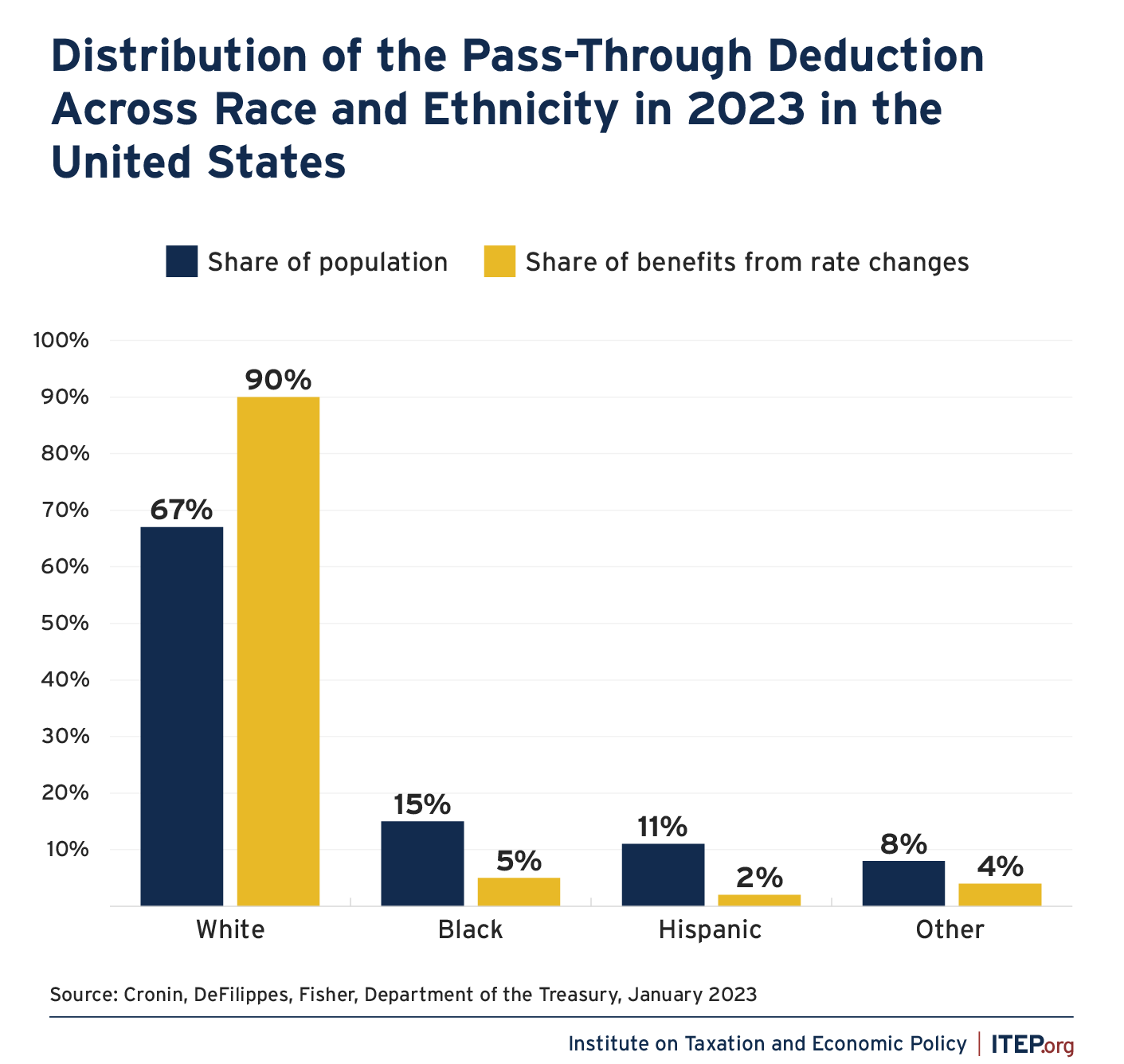
Many of these businesses operate as pass-through entities, meaning profits are taxed through the owner’s personal income tax return.
One notable provision affecting these firms is the Qualified Business Income deduction introduced under the Tax Cuts and Jobs Act.
This rule allows eligible businesses to deduct up to 20 percent of qualifying income, reducing their overall tax burden.
Policymakers are currently considering whether to:
- extend the deduction beyond its expiration date
- modify eligibility thresholds
- simplify tax rules for small businesses
For example, a small construction firm planning to purchase new equipment may rely on tax deductions to make expansion financially viable.
As a result, changes to small-business tax provisions can have real consequences for hiring, investment, and local economic activity.
How Tax Policy Influences Investment Decisions
One reason tax policy receives so much attention from economists is its influence on investment behavior.
Businesses evaluating new projects often compare after-tax returns across different opportunities. Tax incentives, depreciation rules, and capital gains taxes can all influence these calculations.
For instance, accelerated depreciation rules allow companies to deduct the cost of certain equipment more quickly. This reduces the effective cost of investment and can encourage firms to upgrade technology sooner.
Common tax provisions affecting investment include:
- capital gains tax rates
- depreciation schedules for equipment
- research and development tax credits
- tax incentives for domestic production
A manufacturing company deciding whether to modernize a production line may factor these rules into its financial projections.
While tax policy rarely determines business decisions on its own, it can influence the timing and scale of investment.
Household Tax Provisions Also Face Scrutiny
Although corporate tax policy often dominates headlines, many reforms ultimately affect individual taxpayers.
Several household-related provisions from the 2017 reform are scheduled to expire, which means Congress will likely revisit them in upcoming legislative sessions.
Examples of commonly discussed household tax policies include:
- the standard deduction
- child tax credits
- education-related tax credits
- mortgage interest deductions
- capital gains taxes on investment income
These provisions can influence everyday financial decisions.
For instance, families planning for college expenses may rely on education tax credits to offset tuition costs. Similarly, homeowners often factor tax deductions into decisions about purchasing or refinancing property.
Because of these implications, tax policy debates in Washington frequently attract attention far beyond the financial sector.
The Broader Fiscal Context
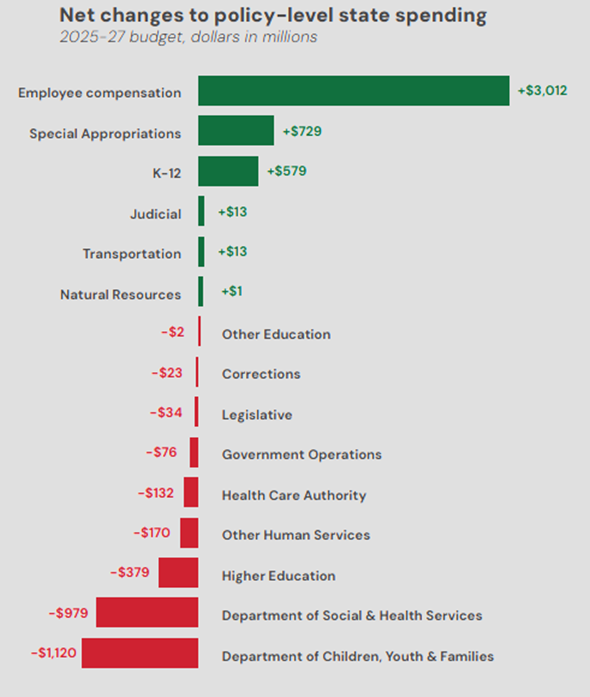
Tax reform discussions do not occur in isolation. They are closely connected to broader debates about federal spending and long-term fiscal sustainability.
Government programs related to healthcare, retirement, and national defense represent major components of the federal budget. As these programs grow, policymakers must ensure that revenue sources remain sufficient.
The Congressional Budget Office regularly publishes projections showing how demographic changes and economic trends could influence federal finances.
Economists evaluating tax proposals typically consider several criteria:
- revenue generation
- economic efficiency
- fairness across income groups
- administrative simplicity
Balancing these goals can be challenging, which is why tax reform debates often extend across multiple congressional sessions.
Why Major Tax Changes Often Take Time
Americans sometimes expect tax reforms to happen quickly, but major legislative changes typically unfold over several years.
The tax system affects nearly every household and business in the country, so policymakers often implement reforms gradually.
Implementation may involve:
- phased changes to tax rates
- transition rules for businesses
- regulatory guidance from the Internal Revenue Service
This gradual approach helps taxpayers adapt to new policies while allowing policymakers to evaluate economic effects before making further adjustments.
Frequently Asked Questions
1. Why are tax policy debates increasing in Washington?
Several provisions from the Tax Cuts and Jobs Act are scheduled to expire, prompting policymakers to reconsider the tax system.
2. What are targeted tax credits?
Targeted tax credits are incentives designed to encourage investment in specific industries or activities.
3. Why are corporate tax rates debated so often?
Corporate taxes influence both government revenue and international business investment.
4. How do tax policies affect small businesses?
Changes to deductions, credits, and income thresholds can influence hiring and expansion decisions.
5. What is the Qualified Business Income deduction?
It allows certain pass-through businesses to deduct up to 20 percent of qualifying income.
6. Do tax reforms affect household finances?
Yes. Changes to deductions, credits, and tax brackets can alter take-home income.
7. How does tax policy affect economic growth?
Taxes influence incentives related to work, saving, and business investment.
8. Why are investment incentives used in tax policy?
They encourage businesses to invest in areas considered economically important.
9. Where can taxpayers track policy updates?
Reports from the Congressional Budget Office and announcements from the Internal Revenue Service provide updates.
10. When might new tax legislation occur?
Legislation often coincides with upcoming expiration dates for major tax provisions.
Reading the Policy Signals Coming Out of Washington
Tax policy discussions currently unfolding in Washington reveal a broader effort to balance economic competitiveness with long-term fiscal stability. Policymakers are evaluating how corporate tax rates, business deductions, and targeted incentives interact with federal revenue needs.
While the final shape of future reforms remains uncertain, the themes emerging from today’s debates provide insight into how the U.S. tax system may evolve in the coming years.
For households and businesses alike, staying informed about these discussions can help guide long-term financial planning and strategic decision-making.
Essential Insights From Today’s Tax Policy Debate
- Corporate tax rates remain a central topic in fiscal reform discussions
- Targeted tax credits are increasingly used to guide investment
- Small-business deductions may face revisions as provisions expire
- Household tax policies continue to influence everyday financial decisions
- Long-term federal debt projections are shaping reform priorities
- Investment incentives remain a major focus of economic policy