Debates about U.S. tax reform involve complex trade-offs between economic growth, fairness, government revenue, and global competitiveness. Policymakers must weigh how changes to corporate taxes, individual income taxes, and investment incentives influence businesses, workers, and public finances. Understanding these trade-offs helps Americans better evaluate proposals shaping the future of the nation’s tax system.
Why Tax Reform Is Constantly Debated in the United States
Tax reform debates are a recurring feature of American economic policy. The federal tax system funds essential public services while also shaping economic behavior. Because tax policies influence decisions about work, investment, and business expansion, policymakers regularly consider whether existing rules support national economic goals.
The complexity of the U.S. tax system also contributes to ongoing discussions about reform. Over decades, new deductions, credits, and exemptions have been layered onto the tax code. Organizations such as the Congressional Budget Office and the Tax Foundation regularly study how these provisions affect economic outcomes and government revenue.
For policymakers, tax reform often involves balancing competing priorities—simplifying the tax system while maintaining fairness and ensuring adequate funding for public programs.
What Policymakers Mean by “Tax Reform”
Tax reform can refer to many different types of policy changes. In general, reform proposals aim to improve how taxes are collected and how they affect economic behavior.
Common reform goals include:
- Simplifying the tax code
- Reducing compliance burdens for individuals and businesses
- Promoting economic growth and investment
- Increasing fairness across income groups
- Ensuring stable government revenue
One of the most significant recent reforms was the Tax Cuts and Jobs Act, which changed corporate tax rates, modified deductions, and introduced new provisions for business income. The law continues to shape discussions about future tax changes.
The Growth vs. Revenue Trade-Off
A central issue in tax reform debates is how policy changes influence economic growth while maintaining sufficient government revenue.
Lower tax rates can encourage business investment, hiring, and entrepreneurship. However, reducing tax rates may also decrease government revenue unless economic activity increases enough to offset the loss.
Economists frequently analyze this balance when evaluating tax proposals.
For example:
- Lower corporate tax rates may increase investment and productivity.
- Reduced income taxes could raise household spending and consumption.
- However, lower tax collections can widen federal budget deficits.
According to estimates from the Committee for a Responsible Federal Budget, federal debt levels are projected to rise significantly over the coming decades, making revenue considerations an important factor in tax reform discussions.
Debates About Fairness in the Tax System
Another major policy question involves the fairness of the tax system.
Some policymakers emphasize progressivity, meaning higher-income households pay a larger share of their income in taxes. Others argue that tax policy should prioritize economic efficiency and investment incentives.
Common fairness debates include:
- How much higher-income households should contribute relative to middle-income taxpayers
- Whether capital income should be taxed differently than wage income
- How tax benefits are distributed across industries and regions
Research by the Tax Policy Center often highlights how different tax proposals affect households at various income levels.
For example, changes to tax credits, deductions, or capital gains rates can significantly shift who benefits most from tax reform.
Corporate Taxes and Global Competitiveness
Corporate taxation is another area where policymakers must weigh competing priorities.
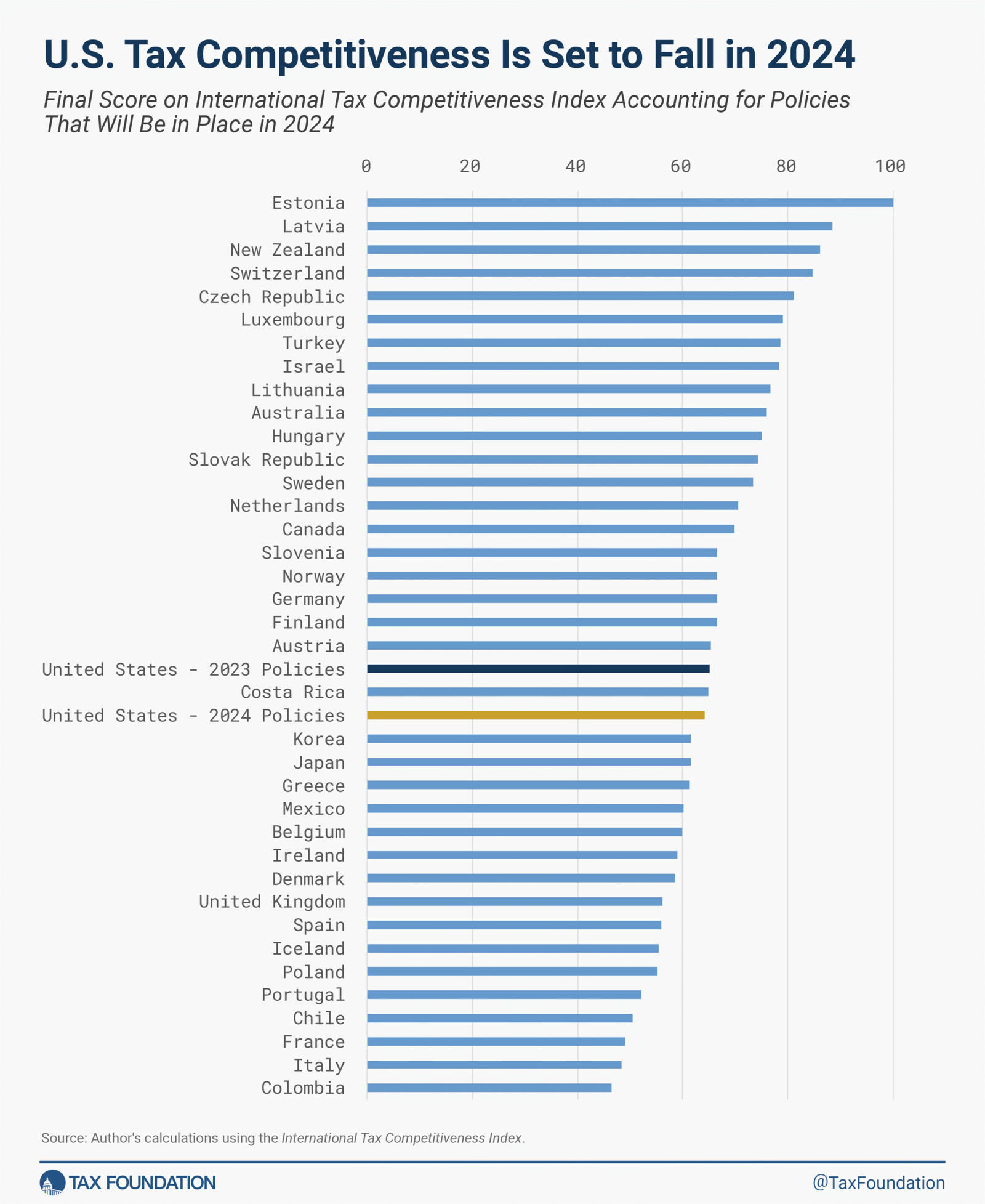
The United States competes with other countries for investment, manufacturing facilities, and research activity. If corporate taxes are significantly higher than those in other economies, multinational companies may choose to invest elsewhere.
However, reducing corporate taxes also affects federal revenue.
The Organisation for Economic Co-operation and Development has coordinated international discussions on minimum corporate tax standards aimed at reducing tax competition between countries.
For U.S. policymakers, the challenge lies in designing a tax system that supports domestic investment without encouraging profit shifting or reducing revenues needed for public services.
How Tax Incentives Shape Business Behavior
Tax incentives are commonly used to encourage specific types of economic activity.
These incentives can influence decisions about where companies invest, how they finance operations, and which projects they pursue.
Examples of widely discussed incentives include:
- Research and development tax credits
- Clean energy tax incentives
- Accelerated depreciation for capital equipment
- Investment tax credits for manufacturing facilities
For instance, a renewable energy company considering a large solar project may rely on federal tax incentives to make the project financially viable.
While these incentives can promote investment in targeted industries, critics sometimes argue that they make the tax code more complex.
The Complexity vs. Simplicity Trade-Off
A frequent criticism of the U.S. tax system is its complexity.
Over time, the tax code has grown to include thousands of pages of rules and regulations. This complexity creates challenges for both taxpayers and businesses.
Efforts to simplify the tax system often involve reducing deductions or consolidating tax credits. However, these changes can face resistance because many taxpayers benefit from specific provisions.
Examples of complexity issues include:
- Complicated filing requirements for small businesses
- Multiple eligibility rules for tax credits
- Differences between individual and corporate tax treatments
Simplification may reduce compliance costs, but it can also require eliminating tax benefits that some taxpayers rely on.
The Role of Tax Policy in Encouraging Investment
Investment plays a critical role in economic growth, and tax policy can influence how businesses allocate capital.
Companies often consider tax rules when evaluating projects such as building factories, purchasing equipment, or launching new technologies.
Key tax provisions affecting investment decisions include:
- Depreciation rules for capital assets
- Tax treatment of business losses
- Capital gains tax rates for investors
- Incentives for domestic manufacturing
Organizations such as the Brookings Institution regularly study how these provisions influence long-term economic growth.
For example, faster depreciation schedules can reduce the effective cost of equipment purchases, encouraging businesses to invest sooner.
How Tax Reform Affects Small Businesses
Small businesses represent a significant portion of the U.S. economy.
According to the U.S. Small Business Administration, small businesses account for nearly 44 percent of U.S. economic activity and create a large share of new jobs.
Many tax reform proposals include provisions designed specifically for small businesses.
These may include:
- Pass-through income deductions
- Simplified filing requirements
- Equipment expensing provisions
- Credits for workforce training or research
For example, a small manufacturing company may rely on accelerated depreciation rules to upgrade equipment without facing significant tax burdens.
Tax policies that reduce compliance costs can also make it easier for entrepreneurs to focus on growth rather than administrative tasks.
Long-Term Fiscal Sustainability
Another key consideration in tax reform debates is long-term fiscal sustainability.
Federal spending on programs such as Social Security, healthcare, and infrastructure requires substantial revenue. Policymakers must evaluate whether proposed tax changes support the government’s ability to meet these obligations.
Economic growth can help increase tax revenue, but growth alone may not fully offset the effects of lower tax rates.
As a result, tax reform discussions often involve broader budget considerations, including spending priorities and deficit management.
Questions Americans Commonly Ask About Tax Reform
Public interest in tax reform often centers on practical questions about how policy changes affect households and businesses.
Frequently Asked Questions
What is tax reform?
Tax reform refers to changes in tax laws designed to improve economic efficiency, fairness, or revenue generation.
Why does the United States regularly debate tax reform?
The economy evolves over time, and policymakers periodically revisit tax policies to ensure they align with current economic conditions.
Do lower taxes always lead to economic growth?
Lower taxes can encourage investment and spending, but the overall impact depends on how policies are structured and how businesses respond.
How does tax reform affect small businesses?
Changes to deductions, credits, and pass-through income rules can influence small business taxes and investment decisions.
Why is the tax code so complex?
Over time, policymakers have added targeted deductions and credits to address specific policy goals, increasing complexity.
What role do corporate taxes play in the economy?
Corporate taxes influence business investment, global competitiveness, and government revenue.
How do tax incentives affect industries?
Targeted incentives can encourage investment in areas such as renewable energy, manufacturing, or research.
Can tax reform reduce government deficits?
Some reforms aim to increase revenue or reduce inefficiencies, but many proposals involve trade-offs between growth and revenue.
Why do policymakers consider global tax competition?
Companies may choose where to invest based partly on tax policies across countries.
How Businesses and Investors Evaluate Potential Tax Changes
Businesses and investors closely monitor tax policy developments because even small changes can influence financial planning.
Organizations often prepare for potential reforms by:
- Reviewing investment strategies under different tax scenarios
- Evaluating eligibility for tax credits or incentives
- Consulting tax professionals to optimize compliance
- Adjusting capital allocation strategies if policies shift
Large corporations may run detailed economic models to estimate how proposed reforms could affect investment decisions.
Smaller firms may focus on understanding how changes to deductions or credits affect their annual tax obligations.
The Broader Economic Context of Tax Reform
Tax policy does not operate in isolation. It interacts with broader economic factors such as labor markets, international trade, and technological change.
For example, policies encouraging domestic manufacturing may complement trade strategies aimed at strengthening supply chains.
Similarly, incentives for research and development may support national goals related to technological innovation and competitiveness.
Understanding these connections helps explain why tax reform debates often involve economic, political, and social considerations.
Navigating the Competing Priorities of Tax Reform
Ultimately, tax reform debates reflect broader questions about economic priorities.
Policymakers must consider:
- How tax policies influence investment and economic growth
- Whether tax burdens are distributed fairly across income groups
- How much revenue is required to support public programs
- How U.S. tax policies compare with those of other countries
Because these goals sometimes conflict, tax reform proposals inevitably involve trade-offs.
Reading the Signals in America’s Tax Policy Debate
Tax reform discussions reveal much about the economic challenges facing the United States.
As policymakers consider potential changes, debates often focus on how to promote growth while maintaining fairness and fiscal stability.
For businesses, investors, and households, understanding these trade-offs can provide valuable insight into how future tax policies may shape economic opportunities.
Essential Insights from Today’s Tax Reform Debate
- Tax reform aims to balance economic growth, fairness, and government revenue.
- Lower tax rates can encourage investment but may reduce federal revenue.
- Tax incentives can support targeted industries but may increase complexity.
- Global competition influences corporate tax policy decisions.
- Small businesses are often central to tax reform discussions.