High-net-worth households rarely rely on a single financial strategy. Instead, they combine disciplined saving, diversified investing, tax planning, and long-term thinking to steadily grow wealth over decades. Understanding the practical habits and strategies commonly used by affluent households—such as asset allocation, tax efficiency, and estate planning—can help individuals build a more resilient and sustainable financial future.
Understanding How High-Net-Worth Households Approach Wealth
In the United States, households are typically considered high net worth (HNW) when their investable assets exceed $1 million, excluding primary residences. According to research frequently cited by global wealth reports and financial institutions, the number of Americans in this category has grown significantly over the past decade.
What is often overlooked is how wealth actually accumulates in these households. Contrary to common assumptions, most affluent families do not rely on speculative investments or rapid financial windfalls. Instead, they tend to follow consistent financial practices focused on long-term sustainability.
The strategies used by high-net-worth households are generally practical rather than complex. Many revolve around discipline, risk management, and thoughtful planning across multiple financial areas.
Understanding these approaches can provide valuable insights for anyone interested in building long-term financial stability.
1. Maintaining a Long-Term Investment Mindset
One of the defining characteristics of high-net-worth households is a long-term perspective on investing. Instead of reacting to short-term market fluctuations, affluent investors often maintain portfolios designed to perform over decades.
This mindset allows them to stay invested during market volatility rather than making emotional decisions during downturns.
Historical data from major financial research institutions consistently shows that long-term participation in diversified markets tends to outperform frequent trading strategies. By focusing on long-term growth rather than short-term predictions, investors benefit from compound returns.
For example, many wealthy households allocate significant portions of their portfolios to diversified equity funds, which historically have delivered higher long-term growth than cash or low-yield assets.
This strategy prioritizes patience and consistency over timing.
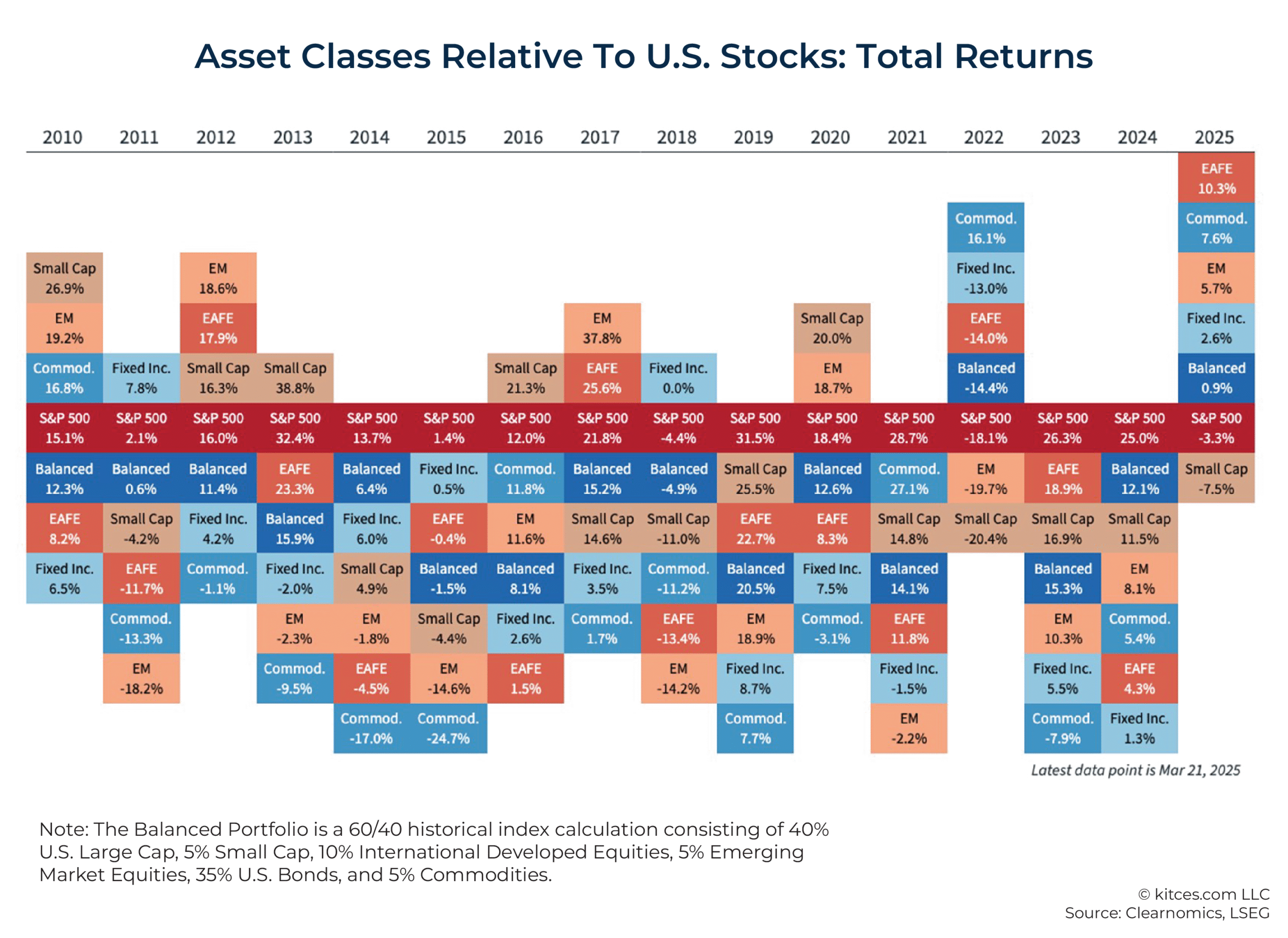
2. Diversifying Across Multiple Asset Classes
Diversification plays a central role in how affluent households manage risk.
Rather than concentrating wealth in a single asset category, high-net-worth investors often spread their portfolios across several asset types.
Common diversification categories include:
- Public equities (stocks and index funds)
- Fixed income investments (bonds and bond funds)
- Real estate holdings
- Private investments or business ownership
- Cash or liquidity reserves
Diversification reduces exposure to the performance of any single asset class. When one sector experiences volatility, others may remain stable or grow.
For instance, during periods of stock market instability, bonds or real estate assets may help stabilize overall portfolio performance.
High-net-worth households often work with financial advisors to maintain balanced asset allocation strategies that reflect both risk tolerance and long-term goals.
3. Prioritizing Tax Efficiency
Taxes can significantly affect long-term investment returns, which is why many affluent households devote careful attention to tax planning.
Effective tax strategies may include:
- Maximizing contributions to retirement accounts such as 401(k)s and IRAs
- Using tax-efficient investment funds
- Structuring investments to minimize capital gains taxes
- Implementing tax-loss harvesting strategies
Over time, these adjustments can improve overall net investment returns.
For example, holding tax-efficient index funds in taxable brokerage accounts while placing higher-tax investments inside retirement accounts is a common approach used by financial planners.
Even small improvements in tax efficiency can make a meaningful difference over decades of investing.
4. Treating Wealth Building as a Structured Plan
Another common pattern among affluent households is the presence of a structured financial plan.
Rather than making isolated financial decisions, high-net-worth families often integrate multiple financial areas into a unified strategy.
These plans typically include:
- Retirement planning
- Investment allocation strategies
- Insurance coverage
- Estate planning
- Education savings plans
- Charitable giving strategies
By viewing wealth management as an interconnected system, households can make decisions that support long-term objectives rather than short-term convenience.
Financial planning also allows families to adjust their strategies as life circumstances evolve.
5. Investing in Real Assets
Real assets—particularly real estate—play a prominent role in many affluent portfolios.
Real estate investments can provide both income and long-term appreciation. Rental properties, commercial real estate, and real estate investment trusts (REITs) are commonly used strategies.
The appeal of real assets lies in several factors:
- Potential for long-term price appreciation
- Regular rental income
- Diversification outside stock markets
- Inflation protection in certain economic conditions
While real estate requires careful management and market awareness, it can complement traditional investment portfolios.
Many high-net-worth households hold a combination of financial assets and tangible investments to create broader diversification.
6. Focusing on Risk Management
Wealth preservation is often just as important as wealth accumulation.
Affluent households tend to emphasize risk management strategies designed to protect assets from unexpected events.
These strategies often include:
- Comprehensive insurance coverage
- Asset protection structures
- Emergency liquidity reserves
- Conservative leverage practices
Risk management ensures that unexpected events—such as medical emergencies, legal issues, or economic downturns—do not significantly disrupt long-term financial plans.
This approach reflects a mindset focused not only on growth but also on stability.
7. Building Wealth Through Ownership and Entrepreneurship
Many high-net-worth individuals accumulate wealth through business ownership.
Entrepreneurship allows individuals to create scalable income streams that can grow beyond traditional salary limits.
Common pathways include:
- Starting and growing a business
- Holding equity in privately owned companies
- Participating in partnerships or private investments
While entrepreneurship involves higher risk than traditional employment, it also offers significant opportunities for long-term wealth creation.
Some high-net-worth households reinvest business profits into diversified portfolios to balance entrepreneurial risk.
8. Establishing Estate and Legacy Planning
Estate planning is a critical component of wealth management among affluent households.
Without proper planning, significant portions of wealth can be lost to taxes, legal complications, or inefficient transfers.
Common estate planning tools include:
- Living trusts
- wills
- charitable foundations
- family gifting strategies
Estate planning ensures that wealth transfers smoothly between generations while preserving financial stability for heirs.
Many affluent families view estate planning as a way to protect the long-term financial wellbeing of future generations.
Real-World Example: How Long-Term Strategies Work Together
Consider a household earning $300,000 annually with a disciplined wealth strategy.
Over time, they might:
- Invest consistently in retirement accounts and brokerage portfolios
- Purchase rental properties that generate income
- Diversify assets across equities, bonds, and real estate
- Maintain strong insurance and tax strategies
After two decades, the combination of investment growth, real estate appreciation, and disciplined saving could result in a substantial net worth.
Importantly, the outcome would likely be driven by consistent habits rather than a single breakthrough investment.
Frequently Asked Questions
What defines a high-net-worth household?
A household is generally considered high net worth when it holds at least $1 million in investable assets, excluding the primary residence.
Do high-net-worth households invest differently from others?
While the core principles are similar, affluent investors often use broader diversification, tax planning, and professional financial advice.
Is real estate essential for building wealth?
Real estate can be helpful but is not mandatory. Many investors build wealth primarily through diversified stock portfolios.
How important is tax planning for wealth building?
Tax planning can significantly affect long-term investment outcomes by improving net returns over decades.
Do wealthy households rely heavily on financial advisors?
Many do work with advisors, particularly for complex financial planning, estate strategies, and tax efficiency.
Can ordinary households apply these strategies?
Yes. Many principles used by high-net-worth families—such as diversification, long-term investing, and disciplined saving—are accessible to most investors.
How long does it typically take to build significant wealth?
Wealth accumulation usually occurs gradually over decades through consistent saving and investing.
Is entrepreneurship necessary to become wealthy?
Not necessarily. Many individuals achieve financial independence through disciplined investing and career growth.
What is the biggest risk to long-term wealth?
Major risks include excessive debt, lack of diversification, and emotional investment decisions.
Why do wealthy households emphasize diversification?
Diversification reduces exposure to individual market risks and helps stabilize long-term portfolio performance.