Wealth building in the United States is evolving. Instead of relying solely on traditional financial milestones like homeownership or long corporate careers, many Americans are quietly adopting practical strategies such as diversified income streams, disciplined investing, and flexible financial planning. Understanding these approaches can help households build long-term financial stability while adapting to changing economic conditions.
Why Wealth Building Looks Different Today
For much of the 20th century, wealth building in America followed a relatively predictable path. A stable job, steady savings, homeownership, and retirement accounts were typically the foundation of financial progress.
That framework still exists, but modern economic realities have prompted many Americans to adapt.
Rising housing prices, fluctuating markets, student loan debt, and career mobility have encouraged households to rethink how wealth is built. According to the Federal Reserve’s Survey of Consumer Finances, asset ownership and savings patterns increasingly vary across households, reflecting a wider range of financial strategies.
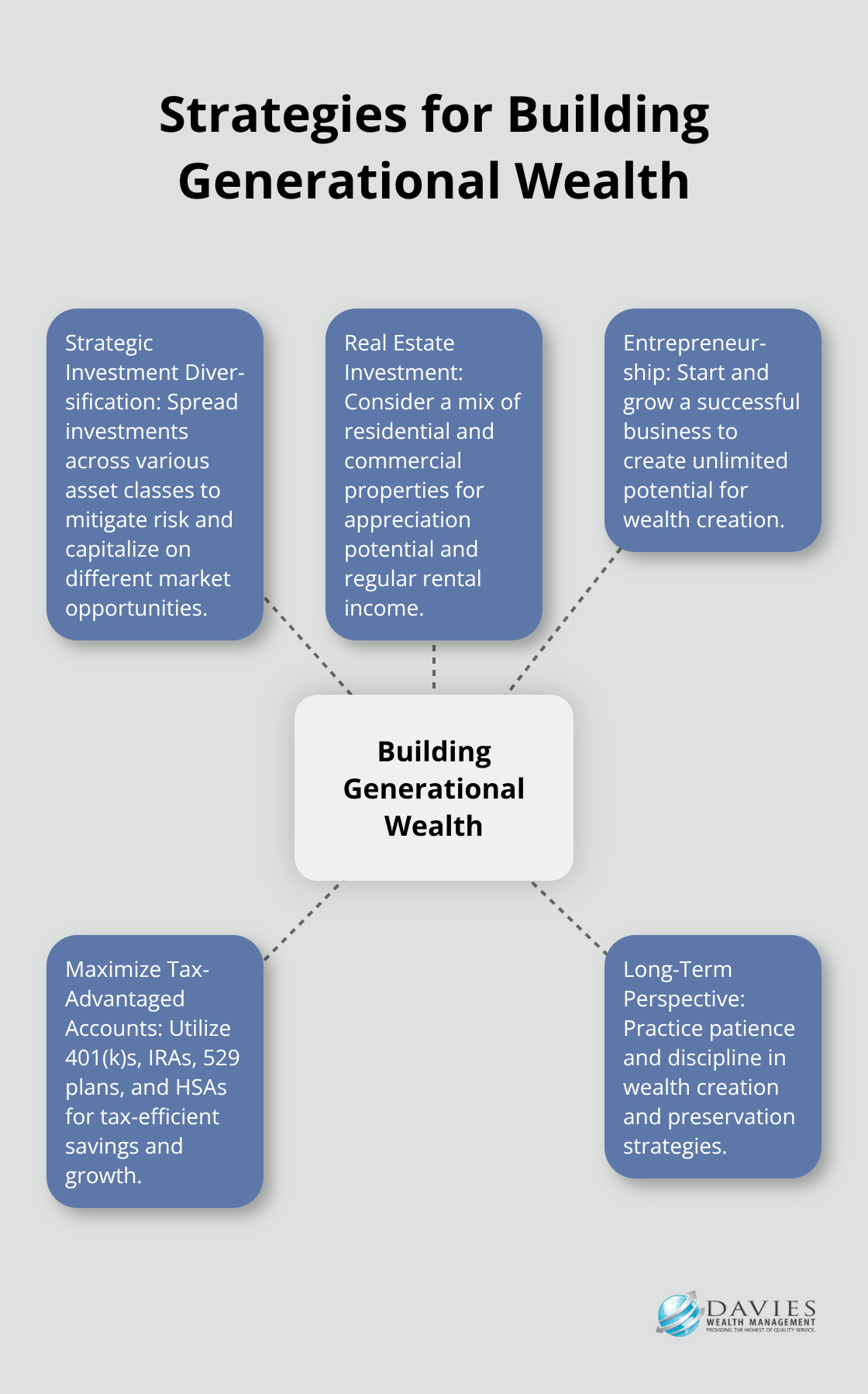
Rather than relying on a single formula, Americans today often combine several approaches to create long-term financial resilience.
The Quiet Shift Toward Diversified Income
One of the most noticeable changes in modern wealth building is the growing interest in diversified income.
Instead of depending solely on a primary salary, many individuals are creating additional streams of earnings. This trend has accelerated with the growth of remote work, digital platforms, and flexible employment.
Common supplemental income sources include:
- Freelance or consulting work
- Small online businesses
- Rental property income
- Dividend-producing investments
- Part-time remote work
For example, a mid-career professional might maintain a full-time role while consulting occasionally in their field. Over time, this additional income can be directed toward investments or debt reduction, strengthening long-term financial security.
Diversification does not necessarily require dramatic lifestyle changes. Even modest secondary income can meaningfully accelerate wealth building.
The Continued Importance of Long-Term Investing
While strategies are evolving, long-term investing remains one of the most widely adopted wealth-building tools.
Historically, broad participation in financial markets has been associated with long-term asset growth. Many Americans are increasingly using diversified investment funds to participate in the market while managing risk.
Typical long-term investing practices include:
- Regular contributions to retirement accounts such as 401(k) plans
- Investing in diversified index funds
- Maintaining a long-term perspective during market volatility
- Reinvesting dividends
Financial planners frequently emphasize that consistency often matters more than timing the market. Gradual, disciplined investing can reduce emotional decision-making and support long-term financial goals.
Emergency Savings: A Foundation for Stability
Another strategy quietly gaining attention is the prioritization of emergency savings.
Unexpected expenses—medical bills, job disruptions, or home repairs—can derail financial plans if households lack accessible funds. As a result, many financial advisors recommend maintaining emergency reserves before aggressively pursuing other investments.
A typical recommendation includes:
- Saving three to six months of essential expenses
- Keeping funds in accessible accounts such as high-yield savings
- Replenishing the fund after unexpected withdrawals
This financial buffer allows households to navigate uncertainty without accumulating costly debt.
Managing Debt as Part of Wealth Strategy
Debt management has become a central component of modern wealth building.
High-interest consumer debt can significantly limit long-term financial progress. According to data from the Federal Reserve Bank of New York, credit card balances in the United States have grown in recent years, prompting many households to focus on strategic repayment plans.
Common approaches include:
- Debt avalanche: prioritizing balances with the highest interest rates
- Debt snowball: paying smaller debts first to build momentum
- Debt consolidation: combining balances into a lower-interest loan
For many Americans, reducing debt is not simply about lowering monthly payments—it is about freeing up future income for investing and saving.
Technology Is Changing How People Manage Money
Modern financial technology has transformed how households interact with their finances.
Today, individuals can monitor spending, investments, and savings in real time through digital tools.
Popular financial tools often include:
- Budgeting and expense-tracking apps
- Automated investment platforms
- Retirement planning calculators
- Digital financial dashboards
These tools make financial planning more accessible, particularly for younger generations who prefer digital interfaces.
Access to information has also improved financial literacy. Many Americans now research financial topics before making major decisions such as refinancing loans, investing, or purchasing property.
The Evolving Role of Homeownership
Homeownership has traditionally been a key component of wealth building in the United States.
For many families, home equity remains one of their largest financial assets. However, modern buyers are approaching the decision more strategically.
Some households now weigh several factors before purchasing property:
- Local housing market conditions
- Interest rates and financing costs
- Career mobility needs
- Long-term maintenance expenses
In certain cases, individuals choose to rent longer while focusing on investments or career opportunities. For others, purchasing property still serves as a long-term financial anchor.
The key difference today is that homeownership is increasingly viewed as one possible wealth strategy rather than the only path.
Financial Education Is Becoming a Priority
Another quiet shift is the growing interest in financial education.
Many Americans now actively seek information about personal finance, investing, and retirement planning.
Educational resources often include:
- Personal finance books and podcasts
- Online courses and workshops
- Financial planning blogs and newsletters
- Employer-sponsored retirement education programs
The increased availability of financial education has empowered individuals to make more informed decisions about saving, investing, and managing risk.
A Real-World Example of Modern Wealth Building
Consider a professional in their early 30s working in the healthcare industry.
Instead of relying solely on a salary, their financial strategy might include several coordinated steps:
- Contributing 12% of income to a workplace retirement plan
- Maintaining a six-month emergency fund
- Investing additional savings in diversified index funds
- Operating a small weekend consulting service
- Gradually paying down student loan debt
Over time, this layered strategy creates multiple pathways to financial growth while maintaining stability.
This approach reflects a broader trend: wealth building is increasingly multi-dimensional rather than singular.
The Role of Financial Discipline
Despite changing strategies, certain principles remain consistent across successful financial plans.
Many households quietly adopt habits that support long-term progress:
- Living below their means
- Saving consistently
- Avoiding high-risk speculation
- Reviewing financial goals regularly
- Maintaining diversified investments
These habits may appear simple, but their long-term impact can be significant when applied consistently over decades.
Frequently Asked Questions
What is the most effective way to start building wealth?
Many financial planners recommend beginning with a combination of budgeting, emergency savings, and regular retirement contributions.
How much should someone invest each month?
A common guideline suggests investing 10–15% of income, though the appropriate amount varies depending on personal circumstances.
Is it necessary to own a home to build wealth?
No. While homeownership can build equity, investing and disciplined saving can also support long-term wealth growth.
Are side incomes important for financial security?
Supplemental income can provide flexibility and accelerate savings, though it is not required for everyone.
When should people begin investing?
Earlier investing allows more time for compound growth, making even small contributions valuable over time.
What role does an emergency fund play?
Emergency savings help households manage unexpected expenses without relying on high-interest debt.
How often should someone review their financial plan?
Many advisors suggest reviewing financial plans at least annually or during major life changes.
Are index funds suitable for beginners?
Many financial experts recommend diversified index funds as a starting point because they provide broad market exposure.
Should debt always be paid off before investing?
High-interest debt is often prioritized first, but individuals may continue basic retirement contributions simultaneously.
Do people need a financial advisor to build wealth?
Some individuals work with advisors, while others manage finances independently using educational resources and digital tools.
How Small Adjustments Can Shape Long-Term Financial Outcomes
Modern wealth building rarely depends on a single dramatic decision. Instead, it often emerges from a series of consistent choices made over time.
For many Americans, the strategies quietly gaining popularity—diversified income, disciplined investing, and thoughtful debt management—reflect a broader shift toward financial resilience.
Rather than chasing rapid gains, households increasingly focus on building systems that support steady progress. Over decades, these incremental improvements can create meaningful financial security.