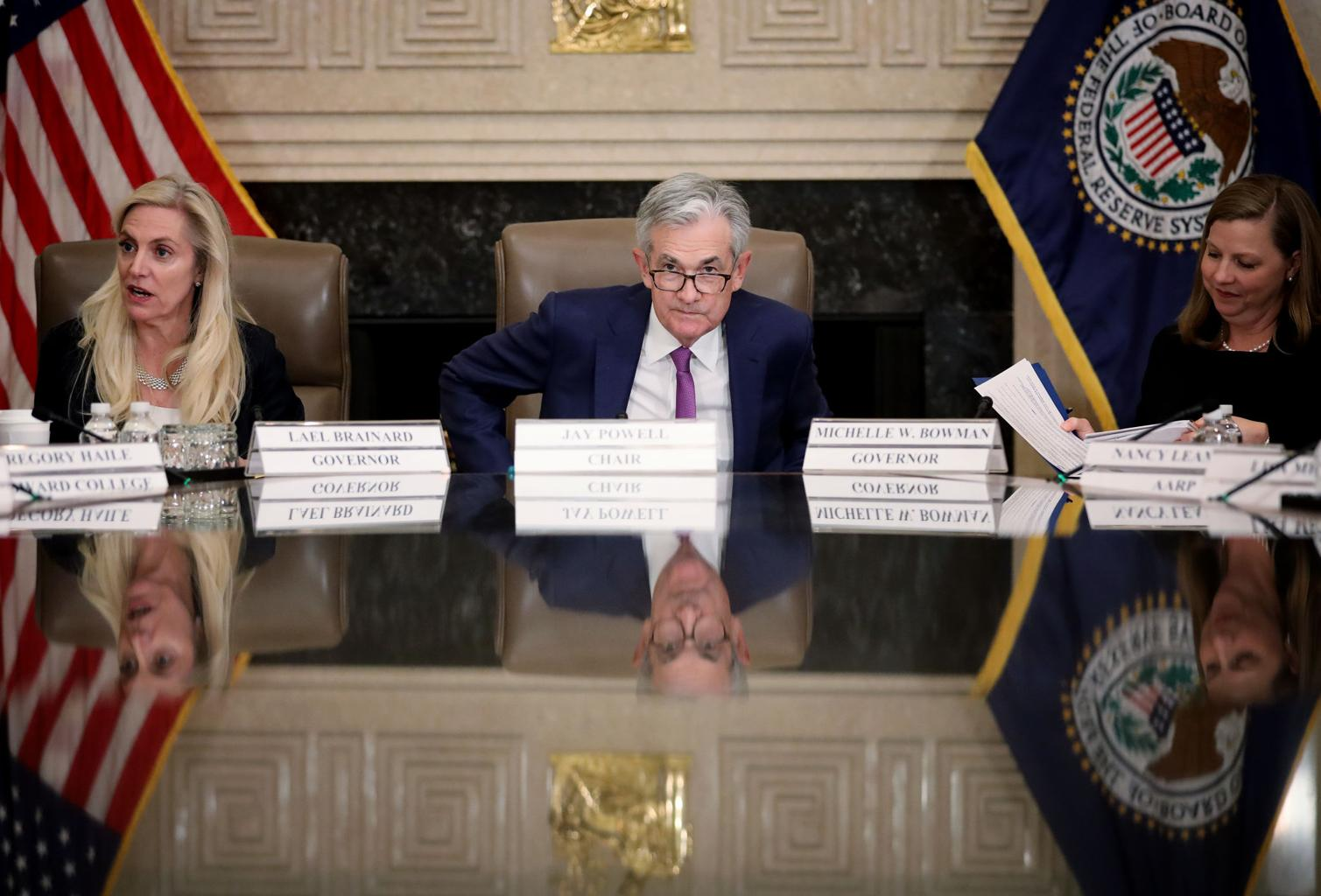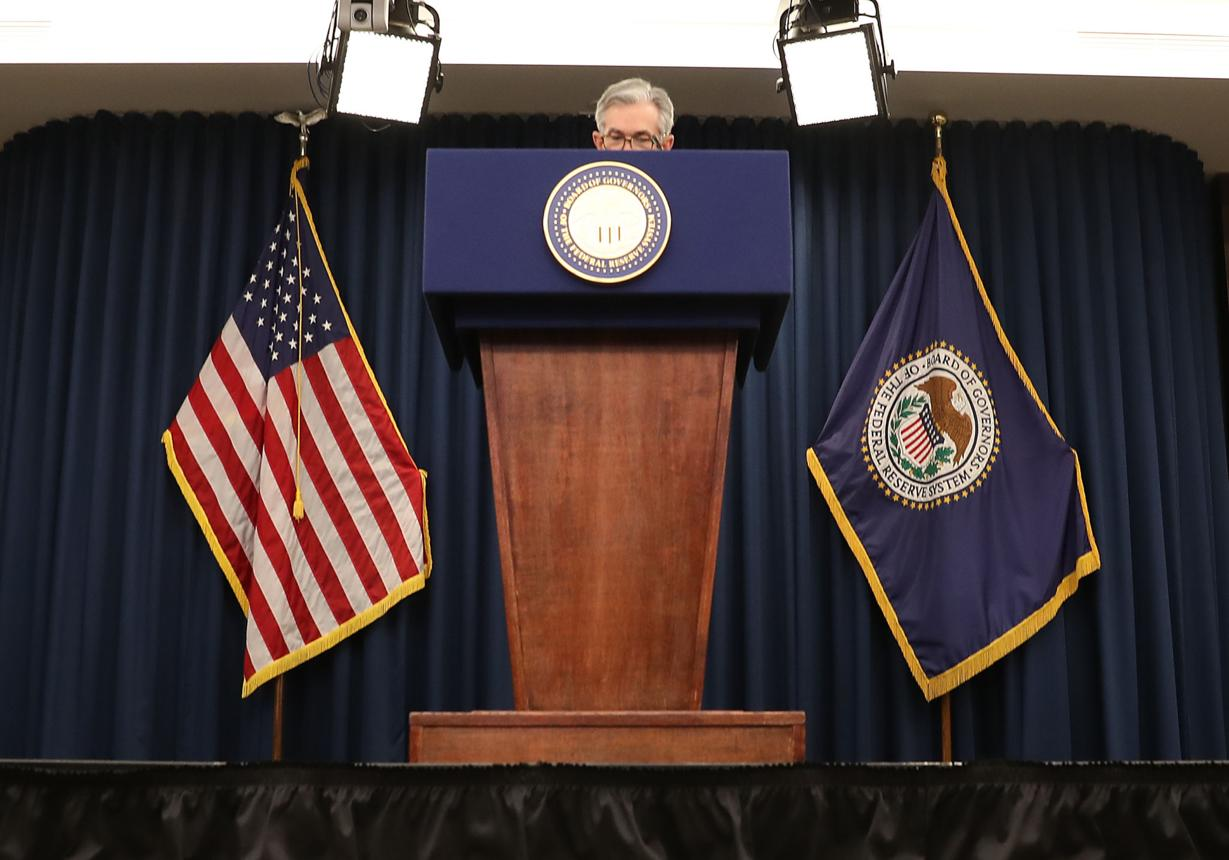
The Federal Reserve plays a central role in shaping economic conditions across the United States. Its decisions influence borrowing costs, inflation, employment, housing markets, business investment, and financial markets. As policymakers navigate changing economic conditions, analysts closely monitor inflation trends, labor market data, consumer spending, and interest-rate expectations to understand where the economy may be headed next.
Understanding the Federal Reserve’s Role in the Modern Economy
Few institutions have as much influence over the American economy as the Federal Reserve. While many Americans encounter the Fed only through news headlines about interest rates, its impact extends far beyond Wall Street.
The Federal Reserve, often called “the Fed,” serves as the nation’s central bank. Established in 1913, its primary responsibilities include promoting maximum employment, maintaining stable prices, and supporting moderate long-term interest rates. These goals collectively form what economists refer to as the Fed’s dual mandate: price stability and maximum employment.
The importance of the Federal Reserve becomes particularly visible during periods of economic uncertainty. Whether inflation is rising, unemployment is increasing, or financial markets are experiencing volatility, investors, businesses, and households look to the Fed for signals about future economic conditions.
Because monetary policy affects nearly every corner of economic activity, analysts continue to place Federal Reserve decisions at the center of economic forecasting.
Why Interest Rate Decisions Matter So Much
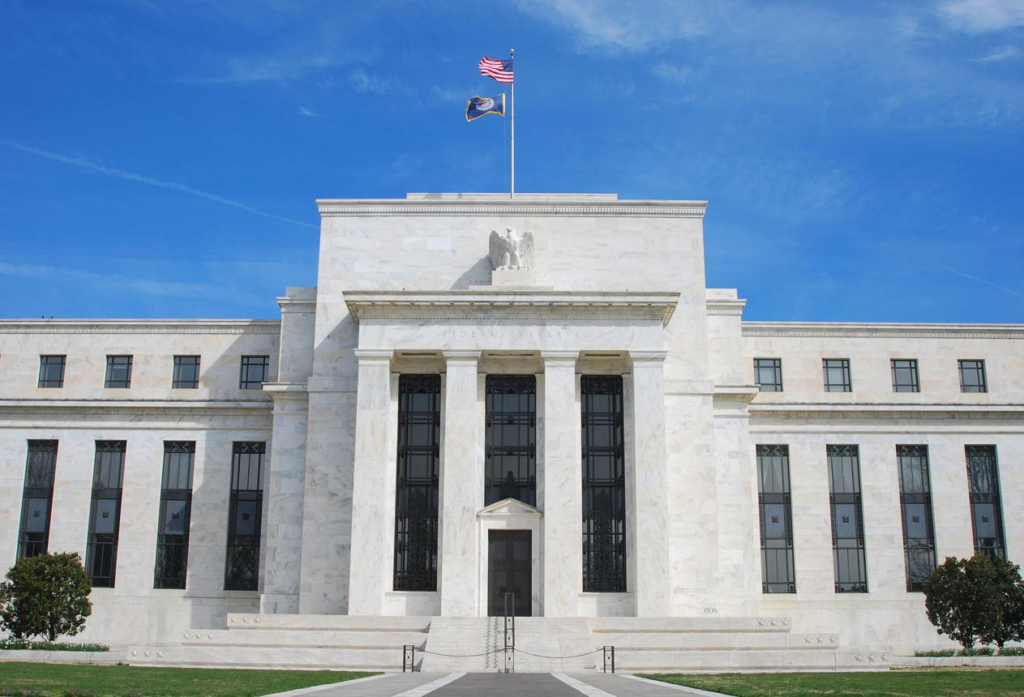
The Federal Reserve’s most powerful tool is its ability to influence short-term interest rates.
When inflation rises too quickly, the Fed may increase rates to slow economic activity. Higher borrowing costs often reduce spending and investment, helping ease inflationary pressures. Conversely, when economic growth weakens, policymakers may lower rates to encourage borrowing, spending, and investment.
These decisions affect Americans in practical ways:
- Mortgage rates often respond to changing interest-rate expectations.
- Credit card interest costs may increase or decrease.
- Auto loan payments can become more or less affordable.
- Business borrowing costs may change.
- Savings accounts and certificates of deposit may offer different returns.
For example, a family considering the purchase of a $400,000 home may see monthly mortgage payments vary significantly depending on interest-rate levels. A one-percentage-point difference in mortgage rates can add or subtract hundreds of dollars from monthly housing expenses.
This direct connection between Fed policy and household finances explains why Federal Reserve meetings attract widespread attention.
The Inflation Question Continues to Drive Policy
Inflation remains one of the most closely watched economic indicators in the United States.
During periods of elevated inflation, consumers often notice rising prices for necessities such as groceries, housing, transportation, healthcare, and insurance. Persistent inflation can erode purchasing power and make financial planning more difficult for households.
The Federal Reserve typically targets inflation near 2% over the long run. When inflation rises well above that level, policymakers face pressure to tighten monetary policy.
Analysts pay close attention to several inflation measures:
- Consumer Price Index (CPI)
- Personal Consumption Expenditures (PCE) Price Index
- Core inflation measures excluding food and energy
- Wage growth trends
- Housing and shelter costs
One reason inflation remains so important is that it affects virtually every economic decision. Businesses must determine pricing strategies, workers negotiate compensation, and consumers adjust spending habits based on expectations about future prices.
Even when inflation begins to decline, Federal Reserve officials often seek evidence that the improvement is sustainable before considering policy changes.
Labor Markets: The Other Half of the Equation
While inflation often dominates headlines, employment conditions are equally important.
The Federal Reserve closely monitors labor market health because employment serves as a key indicator of overall economic strength. A strong labor market generally supports consumer spending, which accounts for a significant portion of U.S. economic activity.
Analysts regularly evaluate:
- Monthly job creation
- Unemployment rates
- Labor force participation
- Wage growth
- Job openings
- Layoff trends
A labor market that remains resilient despite higher interest rates can signal continued economic strength. However, if employment conditions weaken substantially, policymakers may become more concerned about slowing growth than persistent inflation.
Consider a hypothetical example. If inflation declines toward target levels while unemployment begins rising rapidly, the Federal Reserve could face pressure to reduce rates sooner than expected. This balancing act illustrates why labor market reports often generate significant market reactions.
Consumer Spending Remains a Key Economic Signal
Consumer spending drives much of the American economy.
When households continue purchasing goods and services despite economic uncertainty, businesses generally maintain hiring and investment plans. Conversely, reduced consumer activity can slow economic growth.
Analysts watch spending patterns across multiple categories:
- Retail sales
- Travel and leisure activity
- Restaurant spending
- Durable goods purchases
- Vehicle sales
- Housing-related expenditures
Consumer behavior often provides early clues about economic momentum. For instance, sustained spending growth may indicate that households remain confident about future income prospects. Weakening demand, on the other hand, may suggest emerging economic challenges.
The Federal Reserve considers these signals when assessing whether current policy settings remain appropriate.
Housing Markets Under the Microscope
Housing occupies a unique position within the economy because it responds strongly to interest-rate changes.
When mortgage rates rise, affordability can decline, reducing home purchases and slowing construction activity. Lower rates often have the opposite effect, stimulating housing demand.
Analysts frequently examine:
- Existing home sales
- New home construction
- Housing permits
- Mortgage application activity
- Home price trends
- Housing inventory levels
The housing sector also has broad economic effects. Home purchases often generate spending on furniture, appliances, renovations, moving services, and other related industries.
Because housing influences both inflation and economic growth, it remains one of the most important sectors monitored by Federal Reserve officials and private-sector economists.
Financial Markets Are Constantly Interpreting Fed Signals
Investors spend considerable time analyzing Federal Reserve communications.
Every policy statement, press conference, speech, and economic projection can influence expectations about future interest-rate decisions.
Financial markets attempt to answer questions such as:
- Will rates move higher or lower?
- How long will current policy remain in place?
- Is economic growth accelerating or slowing?
- What risks concern policymakers most?
These expectations affect stock prices, bond yields, currency values, and broader financial conditions.
Importantly, markets often react not only to actual policy changes but also to changes in expectations. A subtle shift in Federal Reserve language can sometimes produce significant market movements if investors interpret it as a signal about future policy direction.
What Analysts Are Watching Next
As the economic outlook evolves, analysts continue focusing on several major themes.
1. Inflation’s Path Toward Target
Many economists are evaluating whether inflation will continue moving toward the Federal Reserve’s long-term goal or whether progress could stall.
Particular attention is being paid to:
- Shelter inflation
- Service-sector inflation
- Healthcare costs
- Wage-related price pressures
2. Labor Market Resilience
Employment data remains critical.
Analysts want to determine whether businesses will continue hiring at a healthy pace or whether labor-market conditions will soften more noticeably.
3. Consumer Financial Health
Household balance sheets remain an important consideration.
Observers are watching:
- Savings levels
- Credit card balances
- Delinquency rates
- Consumer confidence surveys
These indicators provide insight into the sustainability of future spending.

4. Business Investment Trends
Companies often adjust investment plans in response to financing costs and economic expectations.
Analysts monitor:
- Capital expenditures
- Manufacturing activity
- Corporate earnings guidance
- Small-business sentiment
Strong investment activity may support long-term economic growth.
5. Global Economic Developments
The U.S. economy does not operate in isolation.
International developments can influence domestic inflation, trade flows, energy prices, and financial markets. Geopolitical events, supply chain disruptions, and foreign economic performance may all affect Federal Reserve decision-making.
Common Questions Americans Are Asking
Many online searches reflect growing interest in how Federal Reserve policy affects everyday life.
Some of the most common questions include:
- Will mortgage rates fall soon?
- When might interest rates decrease?
- Is inflation fully under control?
- Will higher rates cause a recession?
- How do Federal Reserve decisions affect retirement accounts?
- What happens to savings accounts when rates change?
The answer to each depends on evolving economic conditions. Rather than focusing on a single indicator, Federal Reserve officials typically evaluate a broad range of data before making policy decisions.
This data-driven approach helps explain why policymakers often emphasize flexibility and caution when discussing future actions.
Why Predicting the Fed Is So Difficult
One reason analysts closely follow Federal Reserve communications is that forecasting future policy remains challenging.
Economic conditions can change rapidly. Unexpected inflation developments, labor-market shifts, financial stress, geopolitical events, or productivity improvements may alter the outlook.
Even experienced economists frequently revise forecasts as new information becomes available.
The Federal Reserve itself does not commit to predetermined policy paths. Instead, officials emphasize that decisions depend on incoming data and evolving risks.
As a result, the most successful analysts often focus less on predicting exact policy moves and more on understanding the broader economic forces influencing decision-makers.
Frequently Asked Questions
1. What is the Federal Reserve?
The Federal Reserve is the central banking system of the United States responsible for monetary policy, financial system stability, and banking supervision.
2. Why does the Federal Reserve raise interest rates?
The Fed typically raises rates to reduce inflation by slowing borrowing, spending, and overall economic demand.
3. How do Federal Reserve decisions affect mortgage rates?
Mortgage rates are influenced by market expectations about future inflation, economic growth, and Federal Reserve policy.
4. Does the Federal Reserve control inflation directly?
No. The Fed influences inflation indirectly through monetary policy tools that affect borrowing, spending, investment, and financial conditions.
5. What economic data does the Fed watch most closely?
Key indicators include inflation, employment, wage growth, consumer spending, housing activity, and overall economic growth.
6. Why do stock markets react to Federal Reserve announcements?
Investors adjust expectations regarding future interest rates, corporate earnings, and economic growth based on Fed communications.
7. Can the Federal Reserve prevent recessions?
The Fed can influence economic conditions, but it cannot fully eliminate the risk of recessions or economic downturns.
8. What is the Fed’s inflation target?
The Federal Reserve generally aims for inflation averaging around 2% over time.
9. Why are analysts focused on labor-market data?
Employment conditions help indicate economic strength and influence future policy decisions.
10. How often does the Federal Reserve meet?
The Federal Open Market Committee (FOMC) typically holds eight regularly scheduled meetings each year.