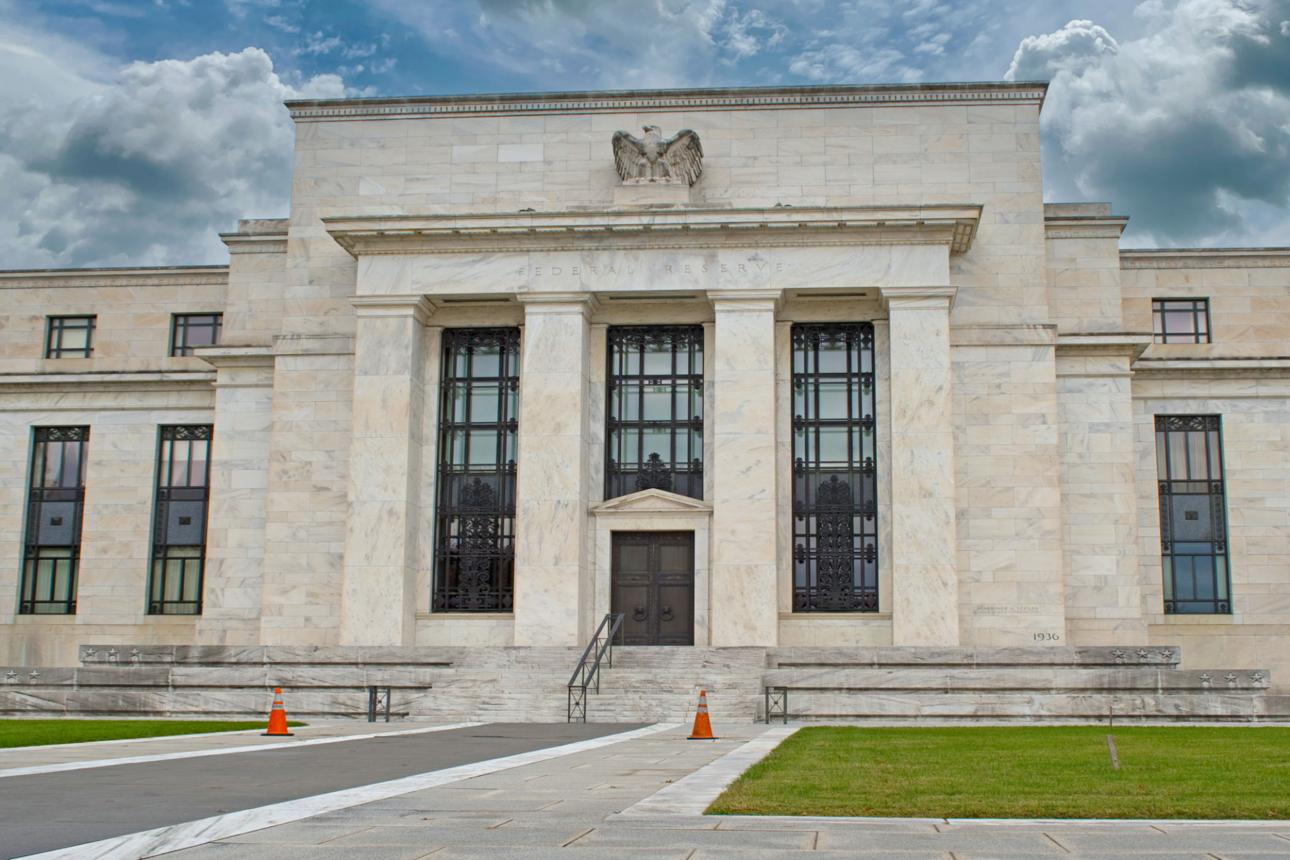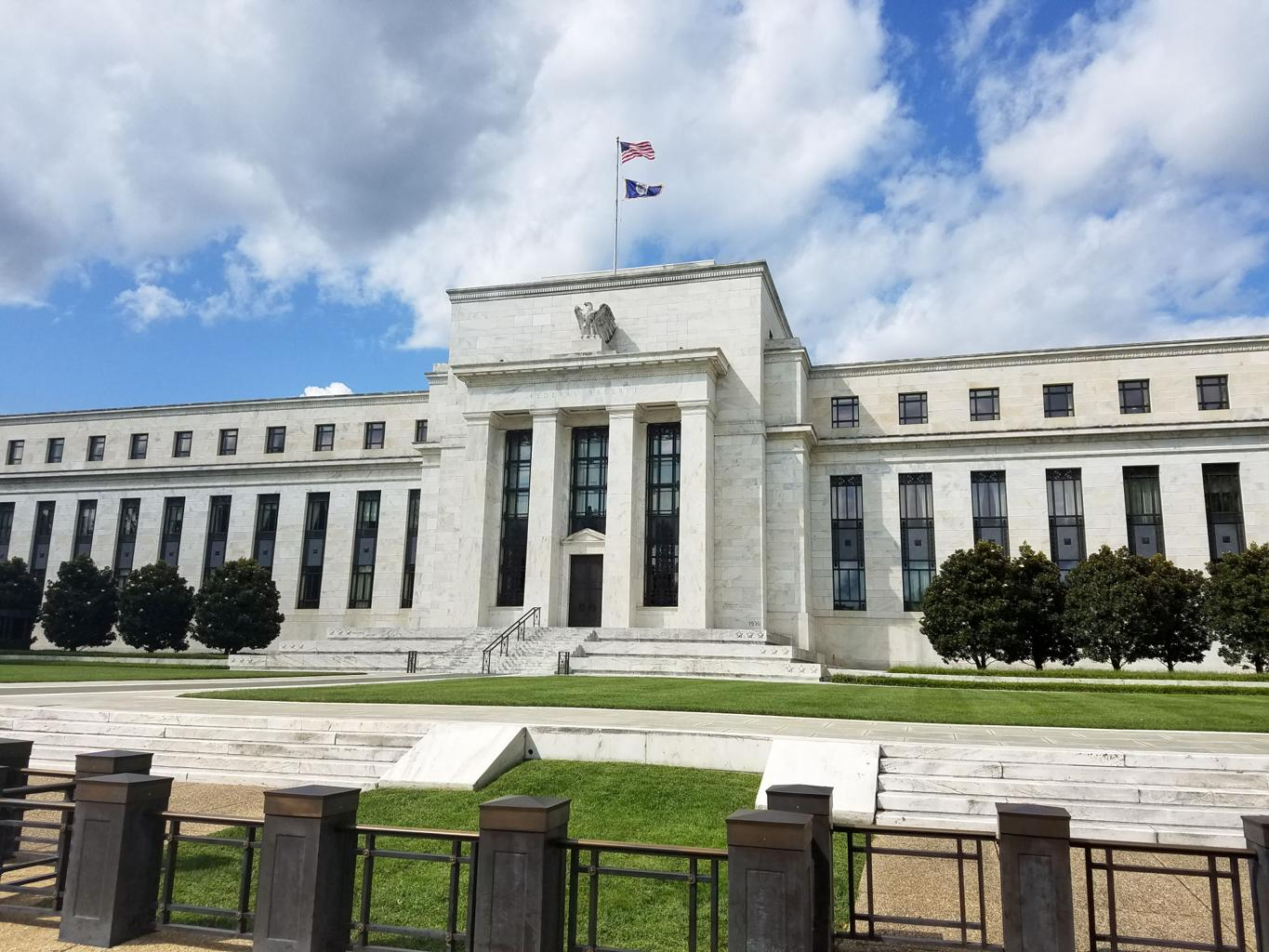
The Federal Reserve remains one of the most influential forces shaping the U.S. economy. Recent decisions on interest rates continue to affect borrowing costs, savings returns, investment performance, housing affordability, and business activity. Understanding how Fed policy works can help consumers, retirees, homebuyers, and investors make more informed financial decisions as economic conditions evolve in the months ahead.
Understanding Why the Federal Reserve Matters
For many Americans, the Federal Reserve feels distant from everyday life. Yet its decisions influence everything from mortgage rates and credit card payments to savings account yields and stock market performance.
The Federal Reserve, often called the Fed, serves as the central bank of the United States. Its primary goals are maintaining stable prices, supporting maximum employment, and promoting long-term economic stability.
When inflation rises too quickly, the Fed often raises interest rates to slow spending and borrowing. When economic growth weakens, it may lower rates to encourage activity. These decisions ripple through nearly every corner of the financial system.
Over the past several years, Americans have experienced one of the most significant interest-rate cycles in decades. After rapidly increasing rates to combat inflation, policymakers have shifted toward a more cautious stance as inflation moderates and economic growth shows signs of slowing.
The key question many households now ask is simple: What happens next?
The answer depends on inflation trends, employment conditions, consumer spending, and broader economic developments. Regardless of the exact path ahead, the Fed’s recent actions are already influencing financial decisions across the country.
How Interest Rate Changes Reach Everyday Americans
Federal Reserve policy works through a chain reaction.
When the Fed adjusts its benchmark federal funds rate, banks, lenders, and financial institutions respond by changing their own rates.
This affects:
- Mortgage borrowing costs
- Auto loan rates
- Credit card interest charges
- Personal loan pricing
- Business borrowing expenses
- Savings account yields
- Certificate of Deposit (CD) rates
- Bond yields
- Stock market valuations
The impact is rarely immediate and rarely uniform. Some financial products react quickly, while others take months to adjust.
For example, credit card rates often move relatively fast because many cards use variable-rate structures tied to broader interest benchmarks. Mortgage rates, however, depend on multiple factors, including Treasury yields and market expectations about future Fed actions.
Understanding these differences helps consumers avoid assuming that every financial product will move in the same direction at the same time.
What Borrowers Should Expect
Borrowers are among the first groups to feel the effects of Federal Reserve policy changes.
Mortgage Borrowers
Prospective homebuyers continue to face a challenging environment.
While mortgage rates do not directly follow the federal funds rate, Fed policy strongly influences the broader interest-rate environment. Higher rates generally mean higher monthly mortgage payments, which can significantly affect affordability.
Consider a hypothetical example:
A buyer financing a $400,000 home may face hundreds of dollars in monthly payment differences depending on mortgage rates. Even relatively small rate changes can alter purchasing power substantially.
For buyers entering the market in the coming months, several strategies may help:
- Improve credit scores before applying
- Compare offers from multiple lenders
- Consider adjustable-rate options carefully
- Evaluate total housing costs, not just monthly payments
- Maintain flexibility regarding home size and location
Credit Card Users
Credit cards remain one of the most sensitive consumer products to Fed policy.
Many Americans carry balances month to month. During periods of elevated interest rates, carrying debt becomes significantly more expensive.
Consumers may benefit from:
- Paying down high-interest balances aggressively
- Exploring balance transfer offers
- Consolidating debt when appropriate
- Avoiding unnecessary revolving debt
For households already facing financial pressure, reducing variable-rate debt often provides one of the most predictable financial returns available.
Auto Loan Borrowers
Vehicle financing costs have increased compared with the ultra-low-rate environment that existed several years ago.
As a result, consumers may encounter:
- Higher monthly payments
- Longer loan terms
- Increased focus on used vehicles
- Greater importance of down payments
Shoppers who secure financing before visiting dealerships often gain additional negotiating leverage.
Small Business Borrowers
Businesses also face higher financing costs when interest rates remain elevated.
Entrepreneurs seeking expansion capital may delay projects, reduce hiring plans, or prioritize efficiency improvements before pursuing major investments.
For some firms, maintaining stronger cash reserves has become increasingly important as borrowing becomes more expensive.
Why Savers Are Paying More Attention to the Fed
While borrowers often struggle during higher-rate environments, savers frequently benefit.
For years following the financial crisis and during portions of the pandemic era, savings accounts offered extremely modest returns. The recent rate cycle changed that dynamic significantly.
Many Americans are now earning meaningful yields on cash reserves.
High-Yield Savings Accounts
Banks and online financial institutions have competed aggressively for deposits.
This has created opportunities for consumers to earn substantially more than traditional savings accounts historically offered.
Individuals maintaining emergency funds may want to review whether their current institution remains competitive.
Questions worth asking include:
- Is my savings rate keeping pace with market offerings?
- Am I paying unnecessary account fees?
- Is my emergency fund appropriately sized?
- Do I need greater liquidity or higher yield?
Certificates of Deposit (CDs)
CDs have regained attention among conservative savers.
For retirees and risk-averse investors, locking in attractive rates can provide predictability during uncertain economic periods.
The tradeoff, of course, is reduced flexibility. Funds committed to CDs may face penalties if withdrawn before maturity.
Retirees and Income-Oriented Households
Retirees often occupy a unique position during rate cycles.
On one hand, higher rates can increase income from savings products and bonds. On the other hand, inflation can still erode purchasing power if living costs rise faster than investment income.
Many financial planners encourage retirees to balance:
- Cash reserves
- Short-term bonds
- Intermediate-term fixed-income investments
- Dividend-producing equities
Diversification remains essential regardless of the interest-rate environment.
What Investors Are Watching Closely
Investors often react not only to current Fed decisions but also to expectations regarding future policy.
Markets continuously attempt to anticipate where rates may move next.
Stock Market Implications
Higher interest rates tend to place pressure on certain segments of the stock market.
Growth-oriented companies often face greater scrutiny because future earnings become less valuable when discounted at higher rates.
Meanwhile, firms with:
- Strong cash flow
- Consistent profitability
- Reasonable valuations
- Stable balance sheets
may receive greater attention from investors seeking resilience.
That does not mean one category automatically outperforms another. Market behavior depends on numerous factors beyond interest rates alone.
Bond Market Opportunities
The bond market has become increasingly attractive for many investors.
When yields rise, newly issued bonds generally offer higher income potential.
This has encouraged some investors to reconsider the role of fixed income within diversified portfolios.
Potential advantages include:
- Predictable income streams
- Reduced portfolio volatility
- Capital preservation potential
- Diversification benefits
However, bond prices can still fluctuate, especially when expectations about future Fed policy shift unexpectedly.
Retirement Investors
Long-term investors approaching retirement often ask whether they should alter portfolio allocations based on Fed actions.
In many cases, maintaining a disciplined strategy proves more effective than attempting to predict short-term market movements.
Historically, emotional investment decisions made during periods of uncertainty have often produced disappointing outcomes.
A diversified portfolio aligned with individual goals, risk tolerance, and time horizon generally remains more important than forecasting the precise timing of future rate changes.

Could the Housing Market Change Significantly?
Housing remains one of the sectors most closely linked to Federal Reserve policy.
Higher financing costs have affected both buyers and sellers.
Many homeowners currently hold mortgages obtained during historically low-rate periods. As a result, some are reluctant to sell and replace existing loans with more expensive financing.
This dynamic has contributed to limited housing inventory in many regions.
If rates decline gradually over time, several outcomes could emerge:
- Increased buyer activity
- Greater housing inventory
- Improved affordability for some households
- More refinancing opportunities
- Stronger construction activity
However, housing markets remain highly local. Conditions in one metropolitan area may differ substantially from another.
Consumers should evaluate regional trends rather than relying solely on national headlines.
What Economic Signals the Fed Is Watching
The Federal Reserve does not make decisions in isolation.
Policymakers monitor a broad range of economic indicators before adjusting rates.
Key areas include:
- Inflation readings
- Employment growth
- Wage trends
- Consumer spending
- Business investment
- Manufacturing activity
- Financial market conditions
- Global economic developments
Inflation remains especially important.
If inflation continues moving toward the Fed’s long-term target, policymakers may gain greater flexibility regarding future rate decisions.
If inflation proves persistent, rates could remain elevated longer than markets anticipate.
This uncertainty explains why investors closely monitor every major economic report.
Common Financial Questions Americans Are Asking Right Now
Should I wait for interest rates to fall before buying a home?
Not necessarily. Housing decisions should depend on affordability, financial stability, and long-term plans rather than solely on predictions about future rates.
Is it smart to keep more cash in savings today?
For many households, maintaining a well-funded emergency reserve has become more rewarding because savings yields are higher than they were in previous years.
Are CDs worth considering again?
For conservative savers seeking predictable returns, CDs have become increasingly attractive compared with many recent years.
Will stock markets automatically rise if rates fall?
Not always. Markets often price expectations in advance, and economic conditions matter alongside rate decisions.
Should investors change strategy every time the Fed meets?
Frequent portfolio changes based solely on Fed announcements can create unnecessary risk. Long-term planning generally remains more important than reacting to short-term headlines.

Frequently Asked Questions
1. What is the Federal Reserve’s main job?
The Federal Reserve manages monetary policy, promotes stable prices, supports employment, and helps maintain financial system stability.
2. How do Federal Reserve rate changes affect mortgages?
They influence broader borrowing costs, although mortgage rates are also affected by Treasury yields and market expectations.
3. Why are savings account rates higher now?
Banks generally increase deposit rates when overall interest rates rise throughout the economy.
4. Are credit card rates tied to the Federal Reserve?
Many variable-rate credit cards adjust based on benchmarks influenced by Fed policy.
5. Can the Federal Reserve directly control inflation?
The Fed influences inflation through monetary policy but cannot control all factors affecting prices.
6. Are higher interest rates always bad for consumers?
No. Borrowers may face challenges, but savers often benefit from improved yields.
7. Should retirees change investments because of Fed decisions?
Major allocation changes should typically be based on financial goals and risk tolerance rather than short-term policy shifts.
8. Why does the stock market react so strongly to Fed announcements?
Investors attempt to anticipate future economic growth, earnings, and borrowing conditions.
9. Will lower rates make homes immediately affordable?
Lower rates may help affordability, but home prices, inventory, and local market conditions also matter.
10. What economic reports matter most for future Fed decisions?
Inflation, employment, wage growth, and consumer spending reports are among the most closely watched indicators.